
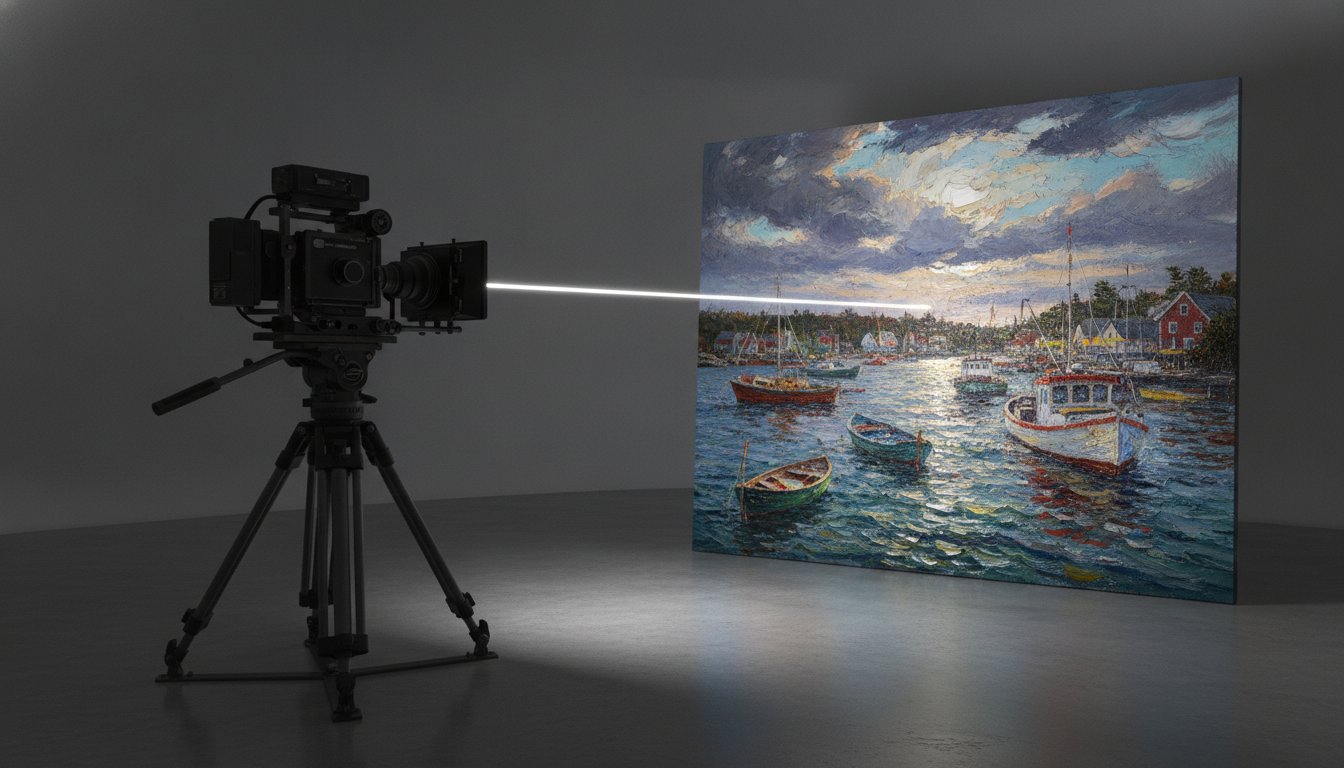
The most sophisticated digital camera on the market today often fails to capture the true depth of a physical masterpiece. While a standard high-resolution photo might seem sufficient for basic digital use, it almost always falls short when the goal is professional art reproduction. You’ve likely experienced the frustration of seeing a digital file that looks flat, loses the subtle texture of the canvas, or shows distracting hot spots on a varnished surface. BetterLight art scanning solves these technical challenges by moving beyond the limitations of traditional sensors. Since 1994, Image-Tec has utilized this methodical data-capture process in our Methuen studio to provide artists with digital files that serve as genuine clones of their original work.
In this guide, you’ll discover why this specialized technology is the definitive standard for archival preservation and museum-grade accuracy. We’ll explain how the scanning process eliminates the optical compromises found in traditional photography, ensuring that your color reproduction is exact and your textures remain sharp. Whether you’re preparing for large-format Giclée prints up to 60 inches wide or building a digital archive, you’ll learn how this equipment captures every brushstroke with absolute clarity. We’ll also outline the practical advantages of working with a partner that prioritizes technical excellence and steady, reliable results for the professional art community.
Key Takeaways
- Understand why a scanning back system outperforms traditional single-shot cameras by capturing data with museum-grade precision.
- Learn to eliminate technical flaws like lighting hot spots and lost texture that often plague standard digital photography of fine art.
- Discover how BetterLight art scanning creates digital clones capable of producing large-format Giclée prints up to 60 inches wide.
- Explore the methodical steps of a professional scan, from precise view camera alignment to the multi-minute data capture process.
- Gain insight into why archival-quality digitization is essential for expanding an artist’s market through high-end limited edition reproductions.
What is BetterLight Art Scanning?
A BetterLight scanning back represents the pinnacle of digital capture for fine art. Unlike a consumer DSLR or a high-end mirrorless camera that takes a single “snapshot” of a scene, this system functions as a digital scanning device integrated into a large-format view camera. This setup allows for unparalleled control over perspective and focus; the bellows and movements of the view camera ensure the sensor remains perfectly parallel to the artwork. For decades, institutions like the National Gallery of Art and the Library of Congress have relied on this technology for museum archiving because it prioritizes data integrity over mere pixel count. It’s a tool built for precision rather than convenience.
While modern digital cameras often boast high megapixel counts, those numbers can be misleading. A standard camera uses a single-shot sensor that must “guess” much of the color information through a process called interpolation. In contrast, BetterLight art scanning captures actual, non-interpolated data. The result is a digital file with a level of clarity and color depth that standard photography simply cannot replicate. It creates a digital record that is technically superior to the original film negatives of the past, providing a stable foundation for any reproduction project. To see how these high-end specifications compare to standard consumer hardware, you can explore Technology Reviews and Guides for more in-depth equipment analysis.
The Mechanics of a Linear Array Sensor
The core of the BetterLight system is its linear array sensor. Instead of a grid that captures everything at once, three highly sensitive rows of pixels (one for red, one for green, and one for blue) move slowly across the image plane. This methodical movement eliminates the need for Bayer pattern filters found in traditional cameras. By capturing 100% of the light data for every pixel, the system produces images with specialized advantages:
- Zero Moiré patterns: This is essential for capturing fine canvas weaves or fabric textures without digital artifacts.
- Absolute Sharpness: No anti-aliasing filters are needed to blur the image, resulting in raw detail.
- Pure Color: The system records true RGB values for every single point in the file, eliminating color bleeding.
Archival Standards and Digital Masters
Creating a digital master requires more than just a clear picture; it requires a file that meets strict archival standards. BetterLight systems are designed to meet FADGI (Federal Agencies Digital Guidelines Initiative) requirements, which are the benchmark for museum-level digitization. By capturing images with 16-bit color depth, we preserve billions of possible colors rather than the millions found in standard 8-bit files. This ensures a “digital negative” that is robust enough for future technological shifts and detailed enough to show every brushstroke in a large-scale Giclée print. At Image-Tec, we treat every scan as a permanent archival record, ensuring the digital file outlasts the physical original if necessary.
BetterLight vs. Traditional Digital Photography
Traditional digital photography prioritizes speed. BetterLight art scanning prioritizes fidelity. While a high-end DSLR or mirrorless camera is excellent for capturing a moment in time, it often struggles with the static, complex surfaces of fine art. One of the most persistent issues in standard photography is the presence of “hot spots” or glare. When using traditional studio strobes, light often bounces off the peaks of oil paint or glossy varnish, creating white highlights that obscure the artist’s actual color. Because the scanning process is methodical and gradual, it allows for a more controlled interaction between the sensor and the light source, effectively neutralizing these distracting reflections.
Even a 100-megapixel modern camera can’t fully replicate the tactile nature of a physical painting. Single-shot sensors are prone to color fringing and chromatic aberration, especially near the edges of the frame where lens quality begins to dip. BetterLight systems utilize the center “sweet spot” of high-quality lenses more effectively. This eliminates the distortion often seen in large-scale reproductions, ensuring that the edges of a 60-inch canvas remain as sharp and color-accurate as the center. For artists who require professional art reproduction, these technical distinctions make the difference between a simple digital photo and a true archival clone.
Color Accuracy and the RGB Advantage
Most digital cameras use a Bayer pattern sensor, which means they only capture one color (Red, Green, or Blue) per pixel. The camera’s software then “guesses” the missing two colors through interpolation. This process often results in a “digital look” that can feel sterile or slightly inaccurate. BetterLight art scanning captures pure RGB data for every single pixel. There is no guessing involved. By recording the true vibrancy of pigments and subtle glazes, the resulting file maintains the organic warmth and complexity of the original work without the artifacts common in standard digital files.
Detail, Depth, and Surface Texture
The linear capture method provides a distinct “3D” feel that single-shot cameras cannot match. When a sensor moves across the image plane, it records the height and depth of brushstrokes with remarkable clarity. This is particularly noticeable on heavy impasto paintings where the texture is as important as the color. By capturing the subtle shadows cast by the paint itself, the scan preserves the physical soul of the artwork. This level of detail ensures that when you move to the printing stage, every thread of the canvas weave is visible, providing a sense of depth that makes the reproduction feel authentic rather than flat.
The Art Reproduction Process: From Original to Giclée
The transition from a physical masterpiece to a digital master is a deliberate exercise in precision. At Image-Tec, this process begins with meticulous physical alignment. We mount the artwork on a specialized easel and align it with a large-format view camera. By using the movements of the camera’s bellows, we ensure the image plane is perfectly parallel to the art. This eliminates the “keystoning” distortion often found in traditional photography, where the edges of a painting appear slightly bowed or out of square. Only when the geometry is perfect do we begin the capture phase.
The scan itself is a quiet, methodical event. Unlike the instant click of a shutter, BetterLight art scanning involves a linear array sensor that travels slowly across the image plane. This capture can take several minutes depending on the size and detail of the piece. This slow pace is a technical advantage; it allows the sensor to record an immense amount of data without the digital noise or grain that often plagues high-speed captures. As the sensor moves, it records every nuance of the artist’s hand, from the finest graphite line to the deepest glaze of an oil painting.
Lighting Techniques for Specific Media
Proper illumination is what separates a standard copy from a professional reproduction. We don’t use a “one size fits all” lighting setup. Instead, we adapt our approach to the specific medium of the artwork:
- Cross-Polarization: Essential for highly reflective oil paintings, this technique uses polarized filters on both the lights and the lens to cancel out glare and “hot spots” on the peaks of the paint.
- Soft-Box Diffusion: For watercolors and delicate papers, we use large soft-boxes to provide even, wraparound light that minimizes the shadows cast by the paper’s natural grain.
- Raking Light: When an artist wants to emphasize the physical texture of impasto works, we position the lights at a sharp angle to highlight the height and depth of the brushstrokes.
Once the capture is complete, we move to color grading. This involves comparing the digital file on a calibrated monitor to the physical original under controlled 5000K lighting. We don’t rely solely on automated profiles; our “master of craft” approach means a technician’s eye makes the final adjustments to ensure the digital file is a true clone of the original.
Post-Capture Refinement
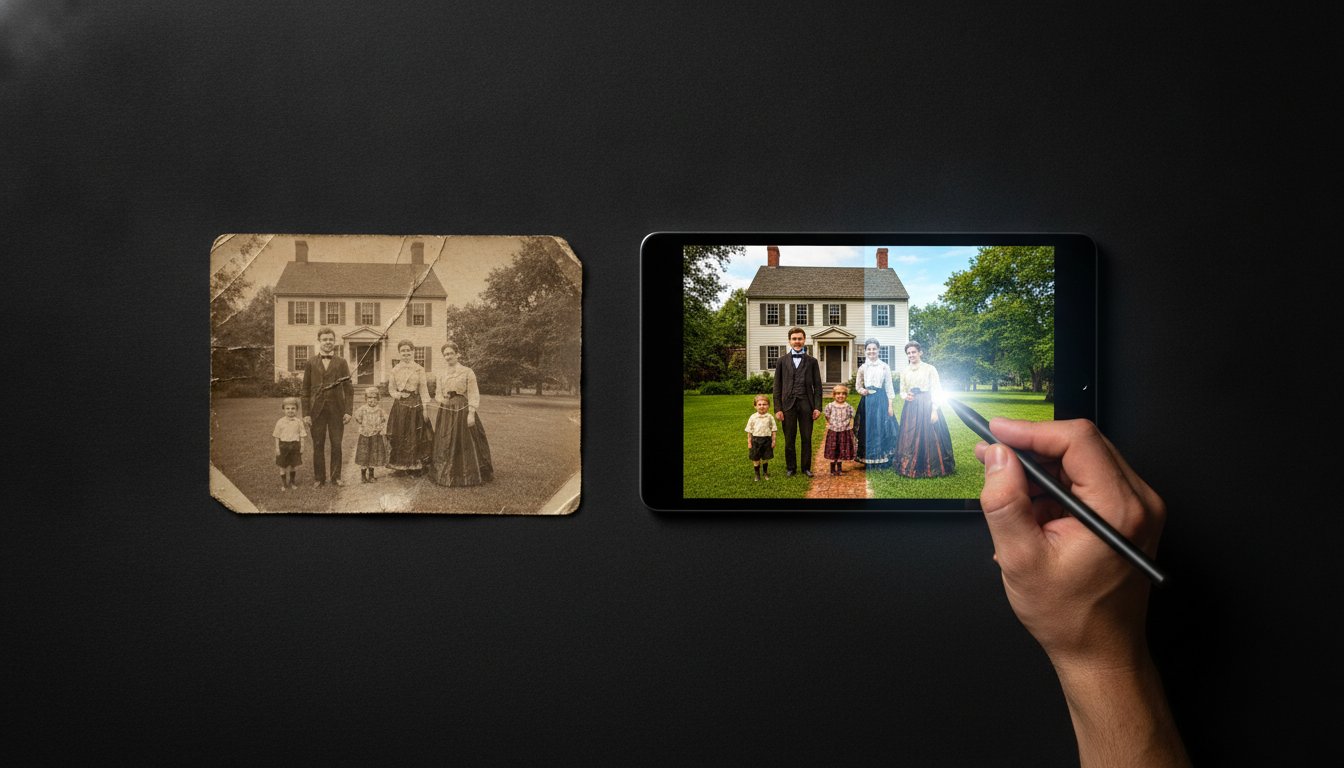
After the scan is approved for color accuracy, we perform a digital cleaning. This isn’t about altering the art, but rather removing temporary imperfections like surface dust or stray lint that the high-resolution sensor inevitably picks up. We then prepare the file for its final destination, whether that’s a large-format Giclée print on canvas up to 60 inches wide or a high-resolution archival file for the artist’s records. Every scan is archived, allowing for consistent, high-quality reprints in the future without the need to bring the original artwork back into the studio.

Why High-Resolution Scanning Matters for Artists
Precision pays dividends. For the professional artist, a high-resolution digital capture isn’t just a backup; it’s a versatile business asset. When you move from selling a single original to offering limited edition Giclée prints, the technical quality of your initial file determines your revenue potential. BetterLight art scanning provides the necessary data density to ensure that every reproduction, whether it’s the first or the fiftieth in a series, maintains the exact color profile and detail of the original work. This consistency is vital for building trust with collectors and galleries who expect museum-grade fidelity in every piece they acquire.
Beyond sales, these files serve as the definitive record for your professional portfolio. Whether you’re applying for grants, submitting work to a juried exhibition, or designing a high-end catalog, your digital assets represent your craftsmanship. A low-quality photo can make a masterpiece look amateurish. By using a “master of craft” approach to digitization, you ensure your work is presented with the same gravity and detail in the digital space as it possesses in the gallery. You can schedule a scanning session to begin building your archival library with this professional standard.
Large-Format Printing up to 60 Inches
One of the most significant advantages of this technology is the ability to scale. Artists often find that a small, intimate original can be transformed into a breathtaking large-format print that commands a room. However, standard digital files often “fall apart” when enlarged; edges become soft and textures turn into digital noise. Because our system captures pure, non-interpolated data, we can produce Giclée prints up to 60 inches wide that remain tack-sharp from edge to edge. This synergy between high-resolution scanning and our specialized wide-format printers allows you to offer works at a scale that was previously impossible without losing the “soul” of the brushwork. Artists looking to print on canvas from original artwork will find that this level of data capture is the essential first step toward producing reproductions that honor every nuance of the original piece.
Preserving Historical and Delicate Works
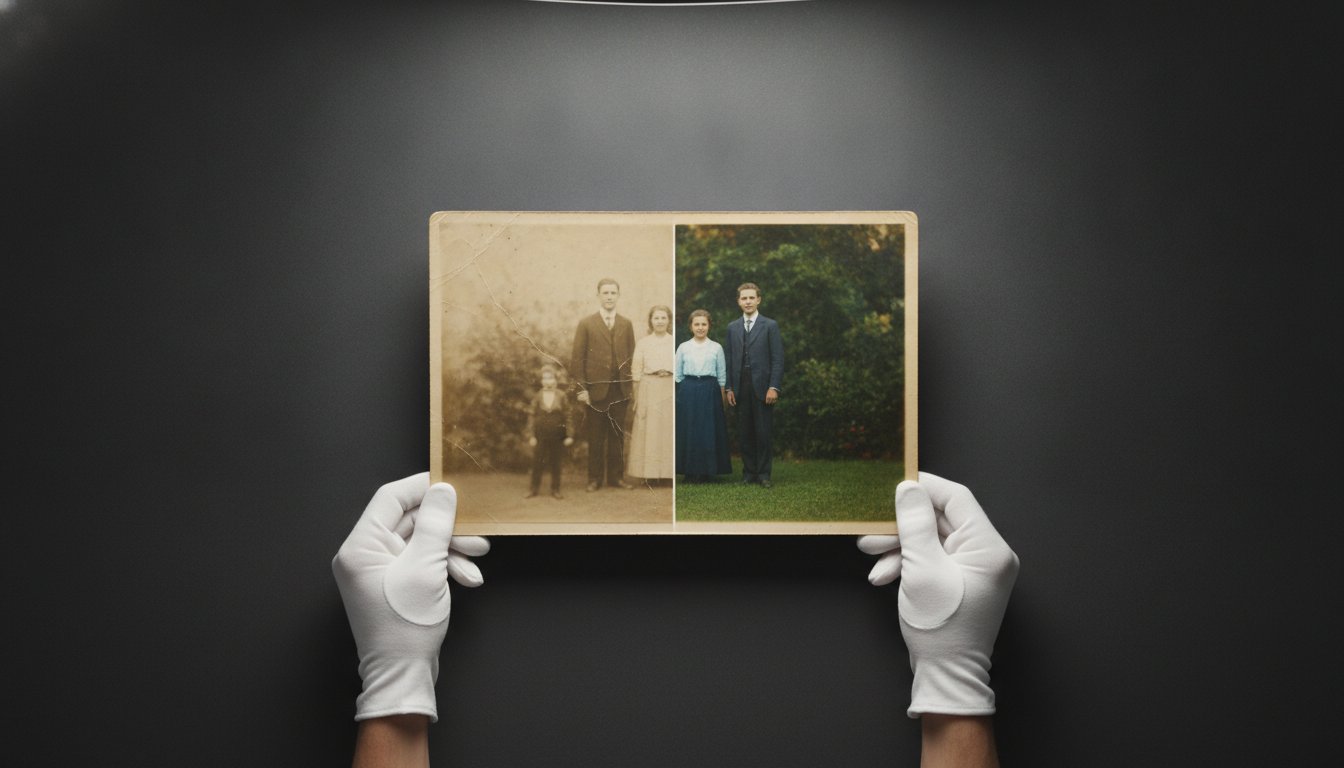
Not every project is about reproduction; some are about preservation. For fragile antiques, historical documents, or delicate charcoal drawings, a non-contact capture method is essential. BetterLight art scanning allows us to digitize these items without the risks associated with flatbed scanners or high-heat traditional lighting. We can even capture works through glass without the distracting glare that ruins standard photography. This creates a permanent, high-fidelity record that is invaluable for insurance purposes, estate planning, and archival research, ensuring that even if the physical original degrades over time, the visual legacy remains perfectly intact. Similar high-fidelity standards are essential in property marketing; to see this in practice, you can discover Houzpics | Real Estate Photographers in Hilton Head, SC and their approach to technical imaging.
Professional Art Digitization at Image-Tec
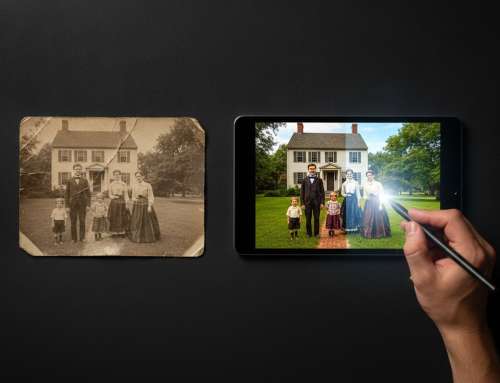
Image-Tec isn’t just a service provider; it’s a technical partner for the fine art community. Since opening our doors in 1994, we’ve maintained a philosophy centered on the master of craft approach. This means we don’t just push a button on a machine. Our use of BetterLight art scanning is backed by decades of experience in commercial photography and historical image restoration. We understand the nuances of light, shadow, and color that define your work. Our Methuen studio is designed to handle projects of all scales, providing the technical infrastructure needed to transform physical art into enduring digital assets.
The longevity of our business is built on a foundation of stability and specialized expertise. We’ve seen digital technologies evolve, yet we continue to utilize the scanning back system because it remains the professional standard for fidelity. When you bring your work to us, you’re working with technicians who have spent thirty years refining their eyes for detail. This seasoned professionalism ensures that your digital files aren’t just high-resolution; they’re accurate, archival, and ready for any professional application you require. For those interested in how these high standards of technical precision translate to other fields like product development, you can visit Keiteq Co Ltd to learn about specialized electronics manufacturing.
Located strategically to serve artists from Boston to Manchester, NH, and coastal communities like Newburyport, our studio offers a level of accessibility that national labs can’t match. We’ve spent over 30 years building relationships with local galleries and individual creators, helping them preserve their legacies through archival-grade reproductions. Big-box labs often treat art as a commodity, but we recognize that every piece has a unique story and specific technical requirements. This localized, personal service ensures that your vision is respected throughout the entire digitization process. Artists across the region seeking professional artwork scanning in Massachusetts will find that our studio’s combination of advanced technology and hands-on expertise delivers results that national facilities simply cannot replicate.
Beyond the Scan: Full-Service Reproduction
A high-resolution scan is only the first step in a larger workflow. At Image-Tec, we integrate BetterLight art scanning with our specialized art reproduction printing services to offer a seamless path from original to final print. We help you select the ideal archival paper or canvas that complements the texture and color palette of your work. Once printed, our on-site custom framing solutions provide the final, professional touch. This comprehensive approach ensures that the quality captured in the digital file is perfectly translated to the physical reproduction, maintaining a standard of excellence from start to finish. Understanding the full journey of how to print on canvas from original artwork — from initial capture through substrate selection to final output — helps artists make informed decisions at every stage of the reproduction process.
Whether you’re an established professional or an emerging talent, your portfolio deserves a technical foundation that matches your creative ambition. We invite you to schedule a consultation at our studio to discuss your specific reproduction needs. We’ll walk you through the scanning process, review your original works, and help you develop a strategy for archival preservation or market expansion. By choosing a partner with deep roots in the New England art scene and a commitment to technical precision, you’re ensuring that your work is captured with the respect and clarity it deserves.
Preserving Your Creative Legacy through Precision
Choosing BetterLight art scanning is a commitment to the long-term integrity of your portfolio. By recording pure RGB data instead of relying on digital interpolation, this technology ensures your reproductions maintain the tactile soul of the original work. Whether you’re scaling a piece for a 60-inch Giclée print or building an archival record for insurance purposes, the precision of a professional scan remains unmatched. It’s the only way to guarantee that every brushstroke and pigment nuance is captured with museum-grade accuracy.
Since 1994, Image-Tec has served as a stable, technical partner for artists across New England. Our Methuen studio combines this advanced capture technology with on-site custom framing to provide a comprehensive solution for professional creators. We don’t just provide a file; we provide a digital master that serves as a permanent clone of your masterpiece. Book your art scanning consultation at Image-Tec today to start your next reproduction project. We look forward to helping you share your vision with the clarity it deserves.
Frequently Asked Questions
Is BetterLight art scanning safe for my original oil painting?
BetterLight art scanning is exceptionally safe because it’s a non-contact capture method. Unlike traditional flatbed scanners, nothing ever touches the surface of your oil painting. We utilize specialized lighting that generates minimal heat, protecting delicate pigments and varnishes from thermal stress. This methodical approach ensures your masterpiece remains in its original condition while we create a high-fidelity digital record for your archival needs or future Giclée print runs.
How long does a scan take compared to a normal photo?
A professional scan takes significantly longer than a standard digital photo. While a normal camera captures an image in a fraction of a second, a scanning back moves a linear sensor across the image plane over several minutes. This deliberate pace is necessary to capture the massive amount of pure RGB data required for museum-grade accuracy. This process eliminates digital noise and ensures every detail is recorded with absolute clarity.
Can you scan artwork that is already framed under glass?
We can successfully scan artwork framed under glass by utilizing advanced lighting techniques. Standard photography often suffers from reflections and glare when glass is present, but our studio setup uses cross-polarization to neutralize these distractions. This allows us to capture a clear, sharp image without the need to de-frame fragile or historical works. It’s an ideal solution for preserving delicate pieces that shouldn’t be handled or exposed to the air.
What is the maximum size artwork you can scan in your Methuen studio?
Our Methuen studio is equipped to handle a wide range of artwork sizes, from small illustrations to large-scale paintings. Because the scanning system is mounted on a large-format view camera, we have the flexibility to adjust our setup based on the dimensions of your work. While we frequently produce Giclée prints up to 60 inches wide, we encourage artists with exceptionally large pieces to contact us for a specific logistics consultation regarding their unique masterpieces.
Will the digital file be large enough for a 60-inch canvas print?
Yes, the digital files generated through BetterLight art scanning are specifically designed for large-format output. This technology produces high-resolution data that far exceeds the capabilities of standard digital cameras. This density allows us to create stunning canvas prints up to 60 inches wide without any loss of sharpness or detail. You’ll find that even at these massive scales, every thread of the canvas and every stroke of the brush remains perfectly defined.
How does scanning handle the texture of a heavy impasto painting?
Scanning is the superior choice for heavy impasto works because of how it records surface relief. By using raking light, we can cast subtle shadows that define the height and depth of thick paint applications. The linear sensor captures this three-dimensional quality with a level of realism that single-shot cameras can’t match. This ensures that your reproductions maintain the physical soul and tactile presence of the original textured surface.
Do I get a copy of the high-resolution digital file for my own use?
We provide artists with the high-resolution digital master files for their personal and professional use. These files are essential for building a digital portfolio, applying for grants, or maintaining a permanent archival record of your work. Having a digital clone of your masterpiece allows you to manage your own website and catalog submissions with confidence, knowing you’re presenting your art with the highest possible level of technical fidelity.
How much does professional art scanning cost for a series of works?
The investment for professional art scanning varies based on the size of the originals and the specific technical challenges involved, such as heavy texture or glass. We don’t quote fixed prices because every piece requires a unique setup to ensure museum-grade results. Instead, we invite you to our studio for a consultation. We’ll evaluate your series of works and provide a clear estimate that reflects our seasoned professionalism and high reproduction standards.






Leave A Comment
You must be logged in to post a comment.