
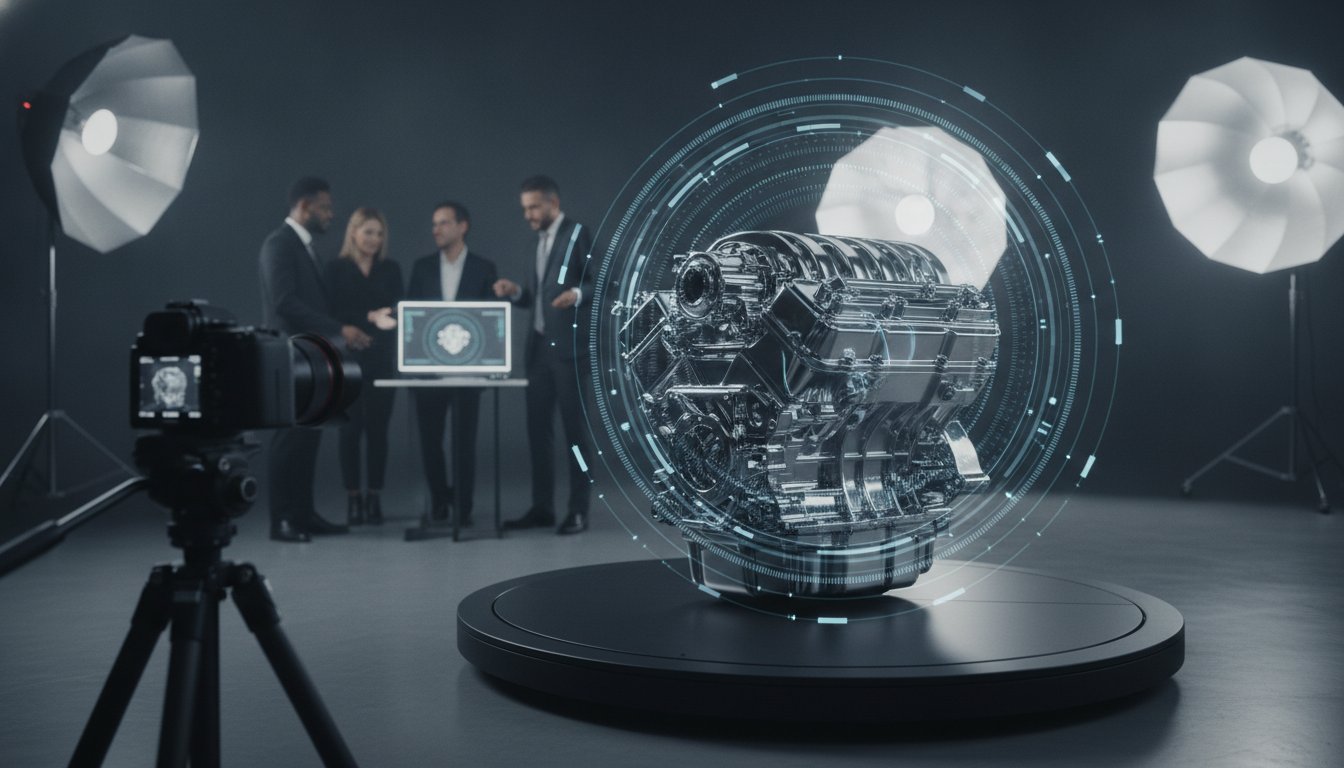
Research indicates that high-quality product imagery can increase e-commerce conversion rates by 20 to 40 percent. While the value of interactive media is clear, determining accurate 360 product photography pricing often feels like a moving target. You’ve likely encountered inconsistent quotes and vague line items for retouching or hosting that make budgeting feel like guesswork. It’s a common challenge for brands that prioritize technical excellence but require predictable, transparent costs.
This guide unlocks the transparency behind 360-degree imaging costs to help you budget for high-impact visuals with precision. We’ll move beyond surface-level estimates to examine specific industry pricing models and the technical factors that drive them. By the end, you’ll have a practical checklist for requesting accurate quotes and the confidence to partner with a professional studio that understands the nuances of your production needs.
Key Takeaways
- Understand how synchronized high-resolution captures create the “interactive advantage” that drives higher conversion rates and reduces returns.
- Learn to navigate 360 product photography pricing by comparing per-product models for consistent catalogs against day-rate structures for large-scale or automotive shoots.
- Discover how technical variables like frame count and material complexity, such as glass or chrome, influence the time required for a successful capture.
- Identify potential hidden costs in the production pipeline, including frame-by-frame retouching and the technical requirements for interactive web hosting.
- Evaluate the long-term ROI of studio-grade quality, ensuring your investment results in smooth, jitter-free rotations that accurately represent your brand.
What is 360 Product Photography and Why Does it Cost More?
360-degree imaging is the process of capturing a series of high-resolution still images while a product rotates on a precision turntable. These frames are synchronized using specialized software to create a seamless, interactive experience. This allows a customer to click and drag an item to view it from every angle. It isn’t a video file; it’s a sequence of individual, high-quality photographs that provide full control to the user.
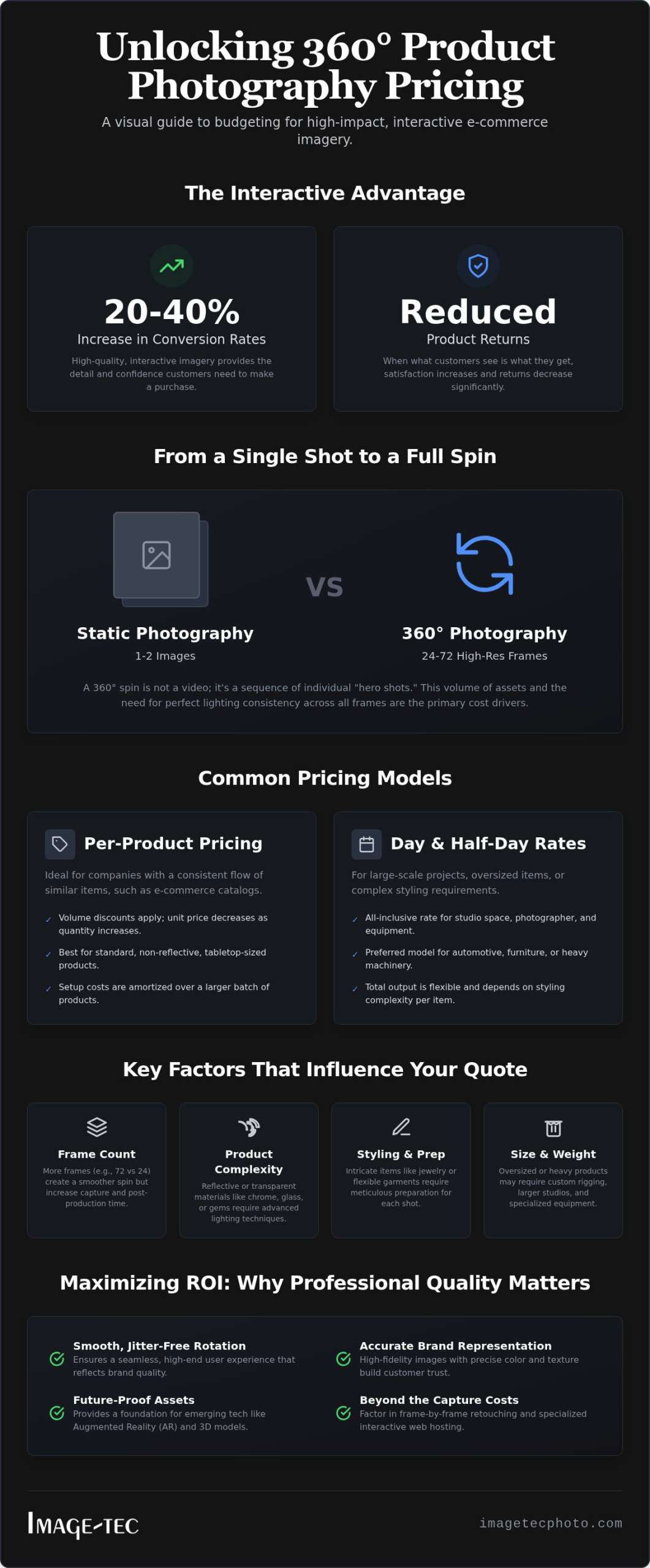
Understanding 360 product photography pricing starts with recognizing that this is a technical investment in conversion engineering. Research indicates that high-quality product images can increase conversion rates by 20 to 40 percent. By providing a comprehensive view, brands significantly reduce return rates because the customer has a clear, accurate expectation of the physical item. Achieving this level of clarity requires more than just a rotating base. It demands technical calibration and precise lighting that remains consistent across every degree of rotation.
The Evolution of E-commerce Visuals in 2026
Consumer expectations have shifted toward immersive “try-before-you-buy” digital environments. In competitive markets like Boston and New England, 360 imagery is no longer a luxury for high-ticket items; it’s a standard requirement. These interactive spins provide the necessary data for augmented reality (AR) readiness. The methodical capture process shares foundational principles with Photogrammetry, where multiple 2D images are used to define 3D geometry. This technical bridge ensures that your visual assets remain viable as e-commerce platforms continue to evolve.
Static vs. 360: A Resource Comparison
The primary driver of cost is the sheer volume of assets produced. While a standard static shoot might require one or two images, a professional 360 spin involves 24 to 72 individual frames. Each frame requires the same level of attention as a single hero shot. Lighting a product that spins presents unique challenges. A shadow that looks acceptable at 0 degrees might obscure a critical detail at 180 degrees. Our studio uses specialized technical infrastructure, including high-end scanning technology and precision turntables, to maintain absolute consistency. This ensures that textures and details are captured with a level of precision that standard “plug-and-play” booths simply cannot match.
Common Pricing Models for Professional 360 Imaging
Professional studios typically categorize projects into two primary billing structures. This clarity allows businesses to align their visual production with their specific inventory management needs. While standard photography might rely on a per-image fee, 360 product photography pricing is often structured to account for the technical setup and the high volume of frames captured for each rotation.
The Per-Product Pricing Structure
The per-product model is ideal for companies with a consistent flow of similar items. In this framework, a “standard” product usually refers to a tabletop item that isn’t highly reflective or complex to style. As the quantity of items increases, the unit price often decreases. This occurs because the initial setup time for lighting arrays and camera calibration is amortized over a larger batch. Most studios include a sample approval process in this model. The first item’s rotation is reviewed and approved to ensure the lighting and angle meet brand standards before the full production run begins.
Day Rates and Half-Day Studio Bookings
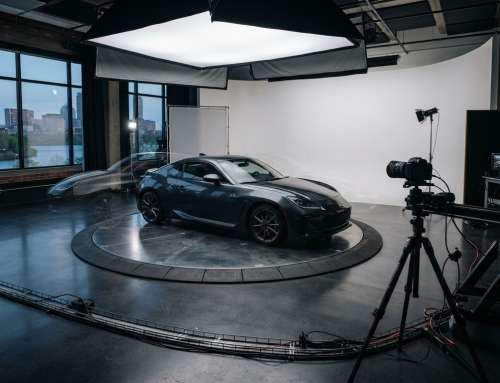
For large-scale projects or specialized needs, booking a commercial photography studio near Boston on a day or half-day basis is often the most efficient choice. This rate typically covers the studio space, a professional photographer, a technical assistant, and the necessary capture infrastructure. It’s the preferred model for automotive photography or oversized products that require significant floor space and custom rigging. The total output of a day rate depends heavily on styling requirements. A simple consumer electronic might be captured quickly; however, a piece of intricate jewelry or a flexible garment requires meticulous preparation that impacts the daily throughput.
The “setup fee” is often the most significant hurdle in 360 product photography pricing for single-item shoots. Calibration for a 360-degree spin is far more labor-intensive than a static shot, requiring precise alignment of the turntable and camera axis. This is why volume is a key factor in project budgeting. By grouping products together, businesses can significantly improve the cost-effectiveness of 3D visuals and interactive content. Unique requirements, such as extremely heavy equipment or highly reflective chrome surfaces, usually shift the project into a custom quote. These items require specialized handling that falls outside standard per-unit pricing. If you have a complex project, it’s best to consult with a technical expert to determine the most efficient production path for your catalog.
Technical Variables That Influence Your Project Quote
The technical specifications of a project play a decisive role in determining 360 product photography pricing. While a basic rotation provides a general view, higher-end applications require a more rigorous approach to frame density and lighting calibration. The density of the capture, measured in frames per rotation, is the first major variable. A 24-frame sequence is the industry standard for web use, balancing load speed with interactive fluidity. However, premium brands often request 72 frames to achieve “cinema-smooth” movement, which eliminates the subtle jumps between frames and provides a more high-end feel.
Materials and Styling Challenges
Styling for a 360-degree view is significantly more complex than static photography. Every side of the product is visible, meaning there’s no “hidden” side to tuck away wires or supports. Materials like chrome, glass, or polished electronics require specialized light shaping to prevent distracting reflections or blown-out highlights as the object turns. Our experience with high-precision BetterLight scanning translates directly to this field. We apply the same rigorous standards of color accuracy and texture detail to every individual frame of a rotation, ensuring the digital asset is a faithful reproduction of the physical item.
Scale and Logistics in New England
The physical dimensions and weight of an object dictate the equipment and studio space required. Tabletop items are handled on standard precision turntables, but oversized products or automotive photography require heavy-duty, large-scale infrastructure capable of supporting significant weight. For New England businesses, logistics also factor into the overall 360 product photography pricing. Utilizing a local, Methuen-based studio eliminates the risks and high costs associated with long-distance shipping for fragile or heavy inventory. Whether you drop off items locally or require on-location production, the proximity of a specialized studio ensures a more controlled and predictable workflow.
Finally, the type of capture determines the interactive range available to your customers. Single-row spins allow for horizontal rotation, which is sufficient for most e-commerce needs. Multi-row or hemispherical captures add a vertical axis, allowing users to look over the top of the product. This 3D-style interactivity requires multiple camera passes and significantly more post-production labor, which naturally shifts the project quote into a higher tier. Understanding these technical levers helps you choose the right level of detail for your specific ROI goals.
Beyond the Capture: Post-Production and Hidden Costs
Many businesses focus solely on the studio production day, but the post-production phase is where the technical integrity of the asset is finalized. When calculating 360 product photography pricing, it’s essential to recognize that labor doesn’t end when the turntable stops. Each rotation produces dozens of high-resolution files that require individual attention to ensure a seamless digital experience. The “hidden” costs often reside here, in the transition from raw captures to a functional, interactive web asset.
Retouching at Scale
Standard product photography involves cleaning one or two images. In a 360-degree project, that workload is multiplied by 24, 48, or even 72 frames. Global adjustments like exposure or white balance are applied across the set, but “frame-by-frame” cleaning is where the craftsmanship shows. Removing dust, micro-scratches, or fingerprints from every angle is a significant labor investment. Our background in high-resolution art reproduction serves as our benchmark; we apply the same level of scrutiny to a commercial product as we do to a museum-quality scan. If a product requires physical supports to stand, a process known as “ghosting,” removing those rigs from every frame adds further complexity to the post-production budget.
Digital Delivery and Integration
A common gap in industry pricing guides is the ongoing cost of hosting and integration. Once the images are captured, they must be integrated into your website via an interactive viewer. You’ll need to decide between self-hosting the assets or utilizing a 360-view SaaS platform. While SaaS platforms offer easy integration, they often involve recurring monthly fees that impact your long-term 360 product photography pricing. We prioritize transparency in our delivery, ensuring you understand the specific file formats and retailer requirements for platforms like Amazon or Walmart before the project begins.
Value is maximized when you treat the 360 sequence as a master asset. From a single rotation, a studio can extract high-resolution “Hero” shots at 300 DPI for use in print catalogs or large-format marketing. This multi-channel utility significantly offsets the initial investment. Owning the full licensing and usage rights is vital for long-term ROI, preventing unexpected fees when you expand your marketing reach beyond the web. To get a comprehensive view of how these post-production factors influence your specific project, request a detailed consultation with our technical team.
Maximizing ROI: Why Professional Studio Quality Matters
Selecting a partner based solely on the lowest quote often leads to long-term costs that exceed the initial savings. Low-cost automated booths frequently produce jittery rotations, poor alignment, and inconsistent lighting that shifts as the product turns. These technical flaws don’t just look unprofessional; they actively damage consumer trust. When a rotation stutters or the color appears inaccurate, the customer loses confidence in the digital representation of the item. In the context of 360 product photography pricing, the value is found in the reduction of product returns. By setting accurate expectations through high-fidelity imagery, brands minimize the logistical “tax” of processing returned goods.
For high-end boutique brands and artists, the visual presentation must be cohesive across all channels. We frequently assist clients who need to integrate interactive 360 spins with specialized services like custom art framing and high-resolution printing. This holistic approach to visual assets is best managed by a “local pillar” studio. Working with a Methuen-based facility provides a level of accountability and personalized service that national, high-volume providers simply cannot match. Proximity allows for direct collaboration and ensures that fragile or complex items are handled with the care they deserve.
Evaluating a Studio Portfolio
When reviewing a studio’s past work, look beyond the initial visual appeal and focus on technical precision. A professional 360-degree rotation should be perfectly smooth, with no vertical “wobble” or horizontal jumps. Zoom clarity is another critical benchmark; the image should maintain its sharpness and detail even when a user inspects a specific texture or feature. Our studio has served the Boston and Manchester, NH professional communities since 1994. This longevity is a testament to our commitment to technical excellence and our ability to adapt to the evolving needs of commercial clients.
Next Steps: Requesting an Accurate Quote
To receive a quote that reflects the true scope of your project, it’s helpful to provide specific logistical data. A thorough request should include:
- Physical dimensions and weight of the items
- Material composition (especially if surfaces are reflective or transparent)
- Total quantity of products to be captured
- Desired frame count (24 for standard web use or 72 for premium smoothness)
For large-scale production runs, we prioritize a “test shot” phase. This allows you to approve the lighting arrays and rotation style before we proceed with the full catalog, ensuring absolute consistency across your brand. If you’re ready to move beyond generic visuals and invest in technical precision, contact Image-Tec for a custom 360 imaging consultation.
Investing in Digital Precision for Long-Term Growth
Navigating 360 product photography pricing requires a shift from viewing imagery as a commodity to seeing it as a technical asset. The true value lies in the details: the frame count, the meticulous lighting of complex materials, and the seamless post-production that ensures a jitter-free user experience. By prioritizing studio-grade quality, you don’t just improve your website’s aesthetics; you actively reduce return rates and build customer trust through transparency.
Since 1994, Image-Tec has served the New England business community as a trusted partner for high-resolution technical imaging. Our local studio in Methuen, MA, provides the specialized infrastructure and creative experience necessary to handle everything from intricate tabletop items to large-scale automotive projects with absolute precision. We’re here to help you move past inconsistent quotes toward a predictable, high-impact visual strategy.
Elevate Your E-commerce with Professional 360 Imaging
We look forward to helping you transform your digital catalog into an immersive, high-conversion experience.
Frequently Asked Questions
How much does 360 product photography cost on average?
Industry averages vary based on product complexity and total volume. Standard items typically fall into a lower tier, while reflective or oversized items require more technical labor. Factors like frame count and post-production retouching also influence the final quote. It’s best to request a custom estimate that accounts for your specific inventory needs rather than relying on generic figures that don’t reflect professional studio standards.
What is the difference between 24 and 72 frames in a 360 spin?
The frame count directly impacts the smoothness of the interactive rotation. A 24-frame set is the standard for most e-commerce platforms, providing a clear view while maintaining fast page load times. In contrast, 72 frames offer a “cinema-smooth” experience that eliminates frame-to-frame jumping. This higher density is often preferred by premium brands in the Boston area seeking to provide a tactile and high-end digital experience for their customers.
Do I need to pay for hosting for my 360 product images?
Yes, interactive 360-degree images usually require specialized hosting to function correctly on your website. You can choose to self-host the files if your platform supports it, or use a dedicated SaaS viewer. While SaaS platforms often charge recurring fees, they provide the necessary code to make the images spin. Understanding these ongoing costs is a vital part of planning your 360 product photography pricing and long-term digital strategy.
Can 360 product photography be done on-location at my warehouse?
Professional imaging can be performed in-studio or on-location at your facility. For businesses in Manchester, NH or Newburyport with large inventories or oversized equipment, on-location shoots reduce the risks and costs of transportation. This approach requires the photographer to bring specialized turntables and lighting arrays to your warehouse. While it offers logistical convenience, it may involve additional setup fees compared to a controlled studio environment in Methuen.
How long does a typical 360-degree product shoot take?
A typical shoot duration depends on the volume and complexity of the products. A single rotation capture might only take a few minutes, but the meticulous styling and lighting calibration for each item can take an hour or more. Large-scale projects are often scheduled in half-day or full-day blocks to maximize efficiency. We focus on technical precision during every minute of the shoot to ensure the final assets require minimal corrective retouching.
Are 360 product images compatible with Shopify and Amazon?
Modern 360-degree images are fully compatible with major platforms like Shopify and Amazon. These retailers have specific technical requirements for file formats and frame counts that must be met for the assets to display correctly. We ensure that all output files are optimized for your chosen sales channel. This technical readiness helps New England brands launch their interactive content quickly without facing integration errors or platform-specific display issues.
What is the ROI of adding 360-degree spins to my e-commerce site?
The primary ROI comes from increased conversion rates and a significant reduction in product returns. When customers can interact with a 360-degree view, they gain a better understanding of the item’s dimensions and textures. This clarity sets accurate expectations before the purchase is made. Research suggests that high-quality imagery can boost conversions by 20 to 40 percent, making the initial investment a powerful tool for driving long-term e-commerce growth.
Does the size of the product affect the 360 photography price?
Product size and weight are major factors in 360 product photography pricing. Tabletop items are managed with standard precision turntables, but oversized products like automotive parts or heavy machinery require specialized, heavy-duty equipment. These larger setups take more time to calibrate and often require additional assistants for safe handling. Our Methuen studio is equipped to manage diverse scales, ensuring that results remain precise whether you have small jewelry or large-scale automotive inventory.





Leave A Comment
You must be logged in to post a comment.