
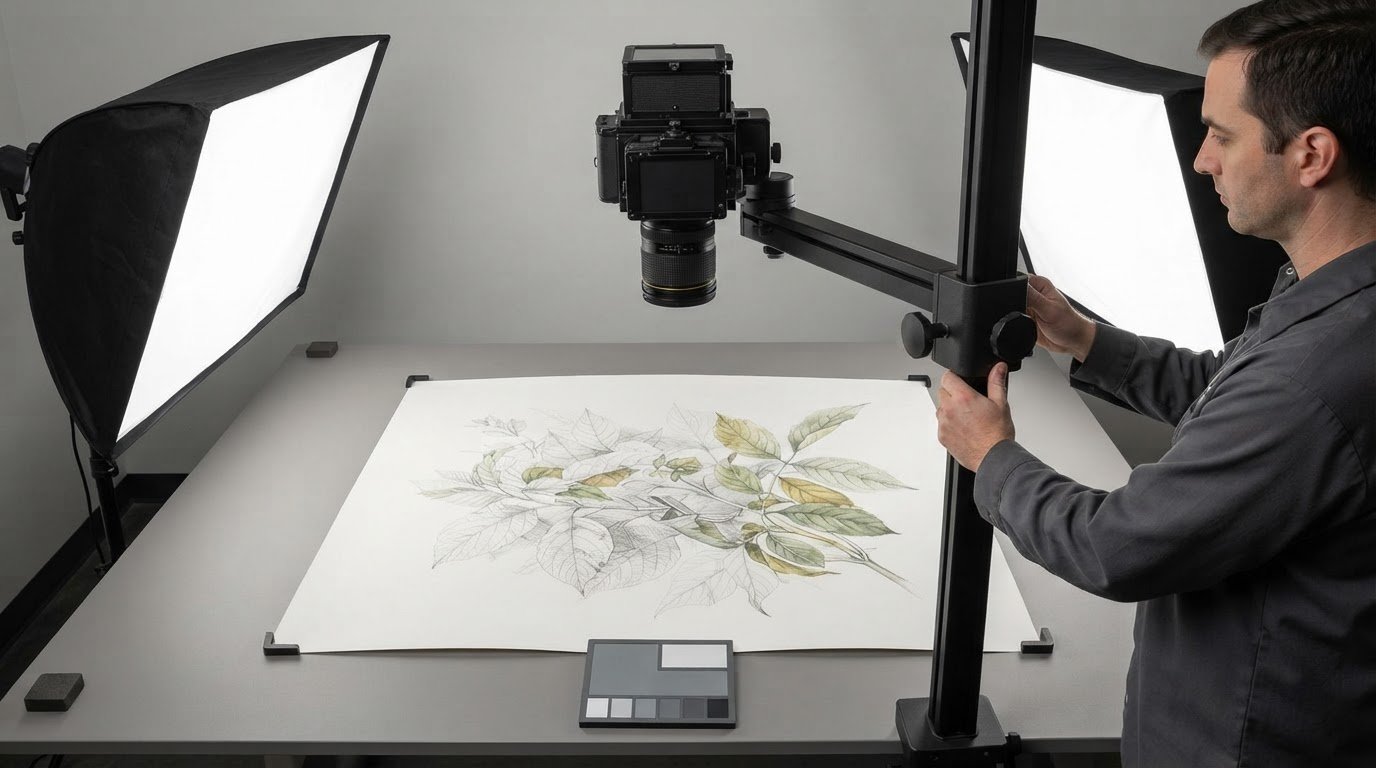
Large artwork isn’t limited to canvases: paintings, drawings, and other flat original works can be scanned. A large artwork scanning service in Methuen can create a digital file for reference or reproduction. The artwork’s size, surface, and fine details shape the capture process, and accurate color is just as important as recording the full composition.
A good scan preserves the character of the original, not just its outline. Here’s what to consider when scanning artwork, from resolution and color to preparing a digital file for a print.
For artists in Methuen, Boston, Manchester, NH, and Newburyport, understanding the capture process can make it easier to plan a reproduction. The right choices depend on the artwork, how you’ll use the file, and whether you also want a print.
Key Takeaways
- Artwork’s size, surface, and fine detail help determine the scanning approach and how well the digital capture preserves the original.
- Methuen Memories photo sessions are a separate community project: submissions must be photographs taken in Methuen, not artwork.
- Turnaround depends on the project’s scope and production needs, so timing is shaped by the work involved rather than a universal schedule.
- For a lossless scan file, the National Institute of Standards and Technology recommends formats such as TIFF or PNG; the right choice depends on how you plan to use the image.
WHAT TYPES OF ARTWORK CAN YOU SCAN?
Paintings, drawings, and prints can be digitally captured for reproduction or reference. The best capture method depends on the artwork’s dimensions, surface, fine detail, and intended use.
High-Resolution Artwork Capture
A high-resolution capture records fine marks, edges, and tonal changes. A drawing with delicate lines, for example, needs enough detail to preserve those marks in the digital file. In a Methuen demonstration, two Greater Haverhill Arts Association members’ artworks were scanned and their colors adjusted in Adobe Photoshop.
Large-Format Scanning Capacity
Large-format work needs a capture method suited to its dimensions and surface. A flat print and a textured canvas may need different handling, even if they are the same size. The resolution needed for a useful file also depends on the final reproduction dimensions. Scanning capacity and print size are separate considerations, so plan the capture around the intended output.
Resolution affects how clearly details appear when an image is enlarged. The right setting depends on the artwork’s detail and the intended viewing or print size. A reproduction viewed close up needs more retained detail than a small reference image. Capture the artwork to suit its planned use rather than relying on software enlargement later.
Optical resolution is the detail captured by the scanning system itself. Interpolated resolution, by contrast, increases pixel dimensions through software. For fine pencil work, brush texture, or small lettering, native optical detail matters: added pixels cannot recreate marks the scanner did not capture. Color correction is a separate step. During the Methuen demonstration, Adobe Photoshop was used to adjust the scanned artworks’ colors.
Standard scan resolution and pricing depend on the original’s dimensions, surface, detail, and intended output. Price depends on the case and is given after a quote request; artwork size, handling needs, resolution, and file requirements shape the work.
Do you offer scanning services near me?
Yes, Methuen has local access to artwork imaging, while community photo-scanning sessions have also taken place nearby. For oversized or fragile originals, camera-based photography can create a reproduction without feeding the work through a scanner.
Photo Scanning Sessions and Locations
Methuen Memories sessions accepted photographs taken in Methuen, not artwork. Eligible images had to date from the 1800s through 1969, and families could submit up to 10 photos. Each image required its own submission form, with original photographs preferred over newspaper clippings or photocopies.
Sessions were scheduled at Nevins Memorial Library in Methuen on Thursday, January 14th, from 4:00 p.m. to 7:00 p.m., and Saturday, January 16th, from 9:00 a.m. to 12:00 p.m. Another session was scheduled at The Eagle-Tribune in North Andover on Wednesday, January 13th, from 10:00 a.m. to 1:00 p.m.
Scanning Service Area
A studio in Methuen gives local artists a place to arrange digital capture or reproduction. For a large canvas or delicate original, plan how it will be transported and handled. Its dimensions, surface, and condition help determine whether scanning is practical or camera-based photography is a better fit.
Methuen Memories featured photographs connected to the city, including commerce, industry, transportation, rural life, and public service. Its local-history requirements differ from those for artwork reproduction. Private collectors with sizable collections could arrange an appointment to submit photographs.
Alternatives for Oversized or Fragile Artwork
When an artwork cannot be placed safely on a scanner, camera-based photography can capture its full composition without contact. The setup needs to account for the piece’s size, surface texture, and lighting. Glare or uneven illumination can affect the result, especially on reflective or textured surfaces.
For artists planning a reproduction, a large canvas or other original can be photographed as a complete composition or in sections, depending on its size and the capture setup. Commercial photography can suit work that needs non-contact imaging. Scanning is useful when the original fits the equipment and handling process.

Rush options and turnaround times
Artwork scanning time depends on the original’s size, condition, capture requirements, and requested digital files. Appointments aren’t a universal requirement: community photo sessions use scheduled hours, while large or delicate artwork benefits from coordinated handling and a clear production plan.
Fine-art capture involves more than scanning. Setup, lighting, image review, color correction, and file preparation can all affect the schedule. A straightforward flat work follows a different workflow from a large canvas that needs careful positioning and detailed color adjustments.
A project’s timing depends on all the production steps, not just the capture. Resolution, color accuracy, file format, and the number of originals all shape the work. A file for a Giclée reproduction, for example, may need color review and preparation for printing after capture. That takes a different workflow from a digital archive file that needs capture alone.
Start the production plan with the artwork’s dimensions and intended use. Then decide on the capture method, resolution, color treatment, and file format. Clear choices at the outset help avoid unnecessary revisions. A complex original may need more preparation than a flat print, particularly when texture or delicate marks require careful handling.
The schedule for a time-sensitive request depends on the project’s production steps and the work already scheduled. Plan around the required capture and finishing, rather than assuming one turnaround applies to every artwork. Key considerations include size, condition, image adjustments, and whether printing is part of the project.
For Methuen Memories, photo sessions were scheduled at specific places and times, while private collectors with sizable collections could arrange an appointment to submit photographs. Those arrangements applied to the historical-photo project, not every artwork scan. For fine art, planning for transport, preparation, capture, and file delivery gives a more useful timeline than estimating from scanner time alone.
What file formats, color profiles, and resolution options are available for artwork scans?
Choose the file format, color handling, and resolution to match the intended use. A digital archive, a close crop, and a large reproduction place different demands on the same artwork. Decide how you’ll view or print the file before capture. That helps determine which details to preserve and how to prepare the colors.
For continued editing and preservation, the National Institute of Standards and Technology (NIST) recommends lossless formats such as TIFF or PNG. These formats retain image information without lossy compression and can suit a master scan intended for later adjustments. A smaller compressed file may be easier to share, but repeated editing and saving can affect image detail.
Color profiles tell displays and printers how to interpret digital color values. A file prepared for a screen may look different in print because screens emit light, while printed pigments reflect it. A bright color on a monitor, for example, may reproduce differently on paper or canvas. A consistent profile and a defined print destination help manage this difference; color correction can also bring the file closer to the original’s visible tones.
Choose resolution based on the artwork’s detail and final reproduction size. A small drawing enlarged for a large print needs more captured information than a scan viewed at its original size. Optical resolution is the detail captured by the scanning hardware; software enlargement cannot restore marks missed during capture. Fine pencil lines, textured brushwork, and small lettering all call for careful resolution planning.
Before production, define the intended output, file format, color profile, and whether the file needs further editing. These decisions clarify the capture and finishing workflow. For help planning those scan requirements, discuss your artwork scan and its intended use.
Image-Tec: BetterLight Scanning
Image-Tec offers BetterLight Scanning for artists and collectors who need a digital capture of original artwork. It’s a practical option for archiving, reproduction, or fine-art printing when detail and color fidelity matter.
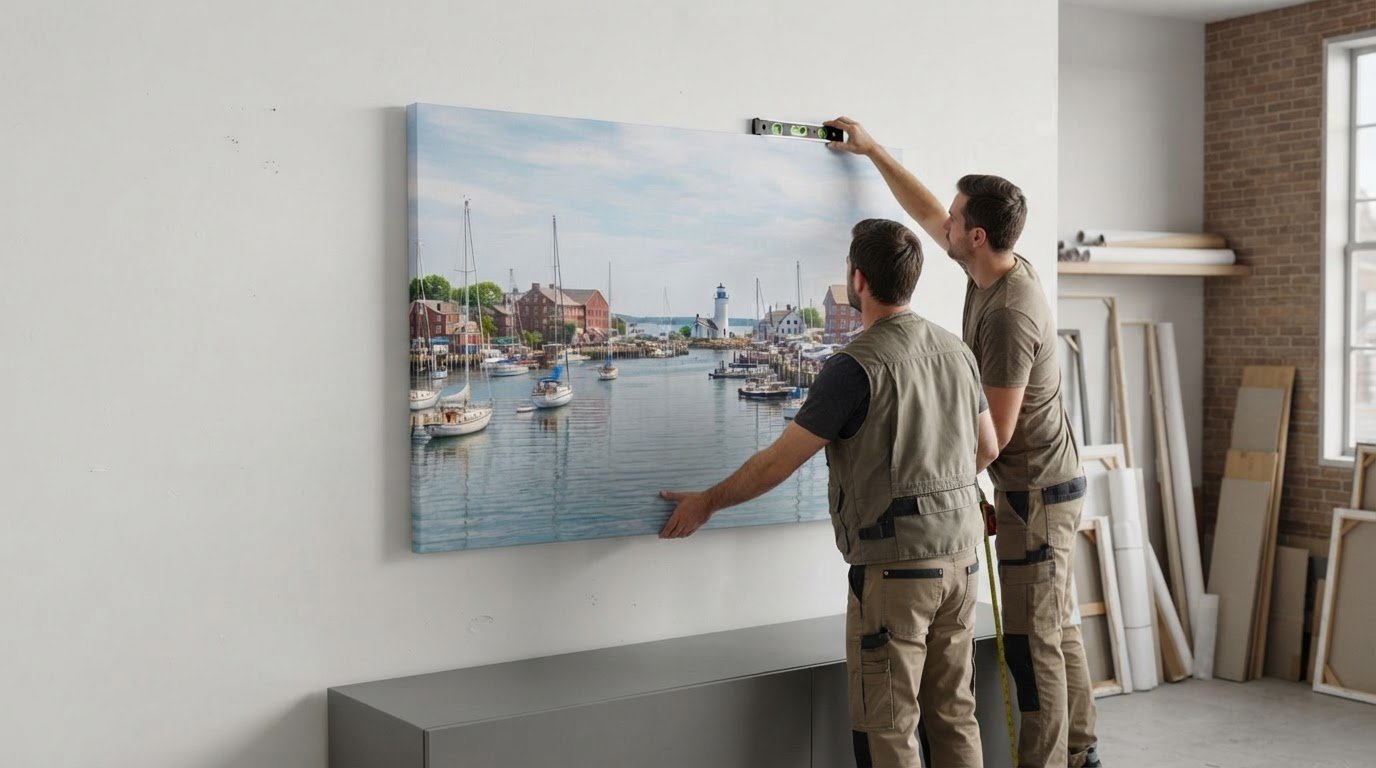
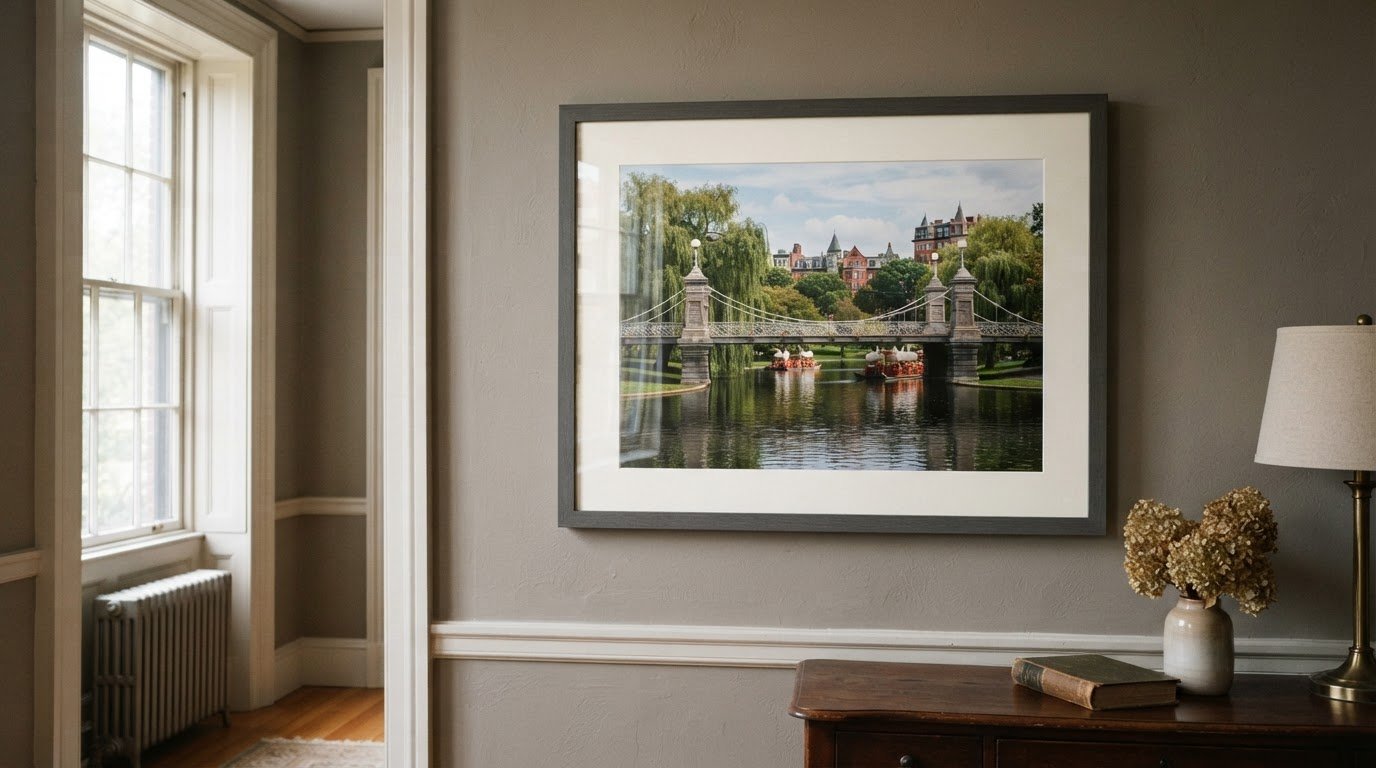
Once the scan is ready, Giclée canvas prints can carry the artwork into a physical reproduction, with prints available up to 60 inches wide and custom framing. The right path depends on whether you need a digital file, a finished print, or both. For artwork too large or fragile for direct scanning, Commercial Photography may provide another imaging approach.
Contact Image-Tec to discuss your artwork and reproduction needs.
Turn Your Artwork Into a Working Digital Asset
First decide what you want to do with the artwork after capture. A digital master can support future reproduction, while a finished print brings the image back into a physical space. The intended use guides the technical choices for capturing the original.
A large artwork scanning service in Methuen can connect careful capture with practical production options. Image-Tec offers BetterLight Scanning, Commercial Photography, and Giclée canvas prints up to 60 inches wide with custom framing. These options can support a project from digitizing an original through producing a display-ready piece.
Whether you’re preparing a single work or planning a broader reproduction project, start with the artwork and the result you have in mind. Contact Image-Tec about artwork scanning to discuss your project and its next steps.
Frequently Asked Questions
CAN YOU COME TO MY STUDIO AND SCAN MY PAINTINGS?
Image-Tec offers on-location commercial photography, but that does not mean painting scans are performed at your studio. BetterLight Scanning is available for artwork capture, while commercial photography provides an on-location imaging option. For a painting that needs non-contact documentation, photography may be a useful alternative. The distinction is whether your project needs a scanner-based artwork file or a photographed image.
Can you scan photos or large photographs?
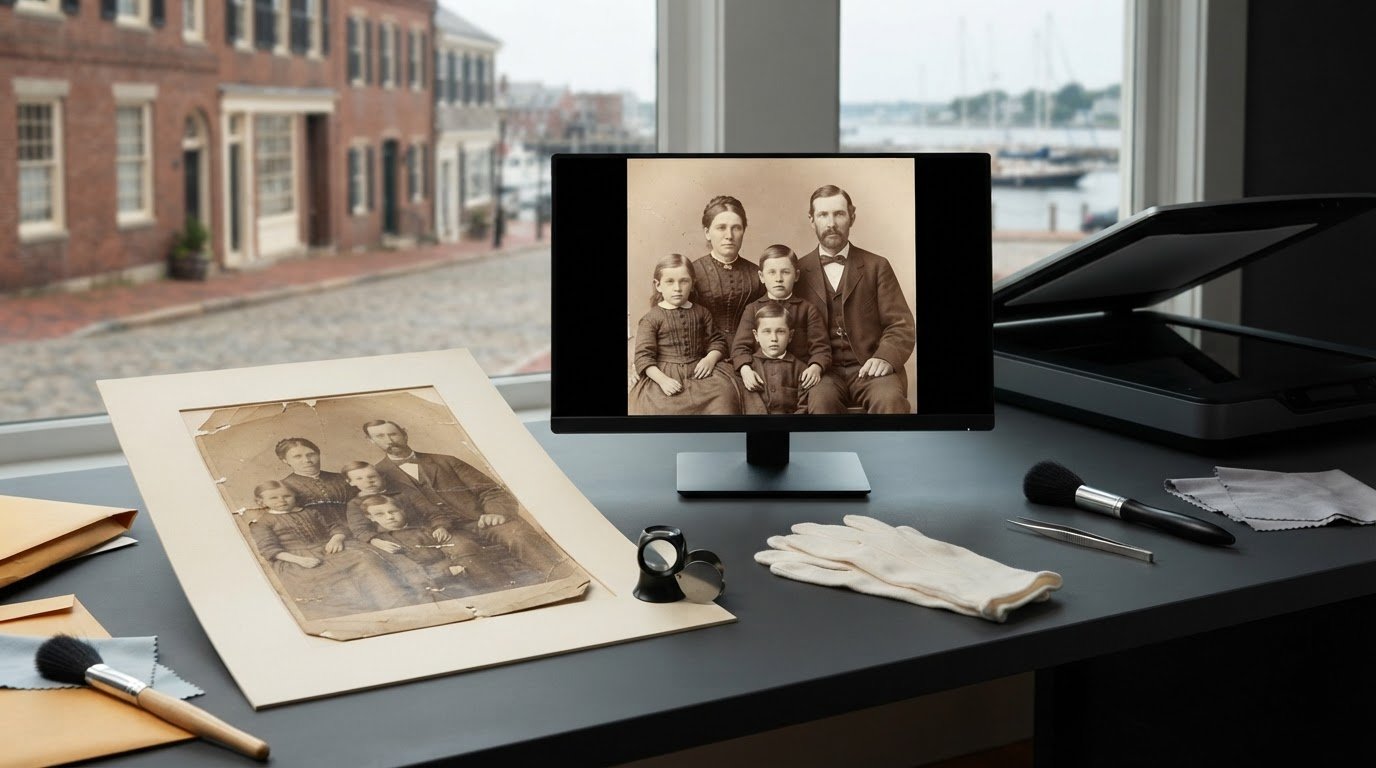
Image-Tec offers BetterLight Scanning for high-resolution image capture and historical image restoration for aged or damaged photographs. These services address different needs: scanning creates a digital capture, while restoration improves a historical image. For a large photograph, decide whether the goal is a reproduction-ready file, a restored image, or a digital record, as each may require different preparation.
What businesses near Methuen, Massachusetts offer large-format artwork scanning?
For a large artwork scanning service in Methuen, Image-Tec offers BetterLight Scanning for high-resolution art reproduction. Fine-art reproduction can take a digital capture through to a printed piece, making it useful for artists preparing work for display or sale. From Methuen, Image-Tec serves artists and collectors in Boston, Manchester, NH, and Newburyport. Decide whether your project needs a scan alone or a scan followed by print production.
Which local print shops and scanning services scan oversized paintings, drawings, and photographs?
Image-Tec combines BetterLight Scanning with Giclée printing, giving artists a local option for artwork capture and reproduction. A large artwork scanning service in Methuen can create a digital master of a drawing or painting before it becomes a physical print. A photograph affected by age or damage may instead need historical image restoration. Choose the service based on whether you need capture, restoration, or printed output.
What is the maximum artwork size each Methuen-area scanning service can handle?
Image-Tec’s stated size limit applies to Giclée canvas prints, which are available up to 60 inches wide. That figure describes print width, not the maximum original size the scanning equipment can capture. For oversized artwork, the practical distinction is between the dimensions of the original, the capture method, and the final print format. Those measurements describe separate stages of a reproduction project.
How much does large-format artwork scanning cost near Methuen, MA?
The cost of artwork scanning depends on the project, and pricing is provided after a quote request. Relevant factors include the original’s dimensions and condition, the capture requirements, color correction, file preparation, and whether printing or framing is part of the work. For example, a scan-only request has different production steps from a project that continues through a finished canvas print.




Leave A Comment
You must be logged in to post a comment.