

The printed image is only one factor in the cost of gallery-wrapped canvas printing in Newburyport. The final quote depends on the canvas size, materials, construction, finish, shipping, and hanging hardware. Because each project is different, pricing is provided after a quote request rather than as one price for every print.
It makes sense to look beyond the image itself: the canvas edges, wrap style, and hardware all affect how the finished piece looks and hangs. This guide explains the product features that shape the overall cost and what to consider when planning a print. You’ll learn how canvas materials and stretcher-bar construction factor in, how image-wrapped or solid-color edges change the presentation, and what shipping and ready-to-hang hardware can mean for your order. With those details in view, you can make a more informed decision about the size, finish, and presentation that suit your artwork and space.
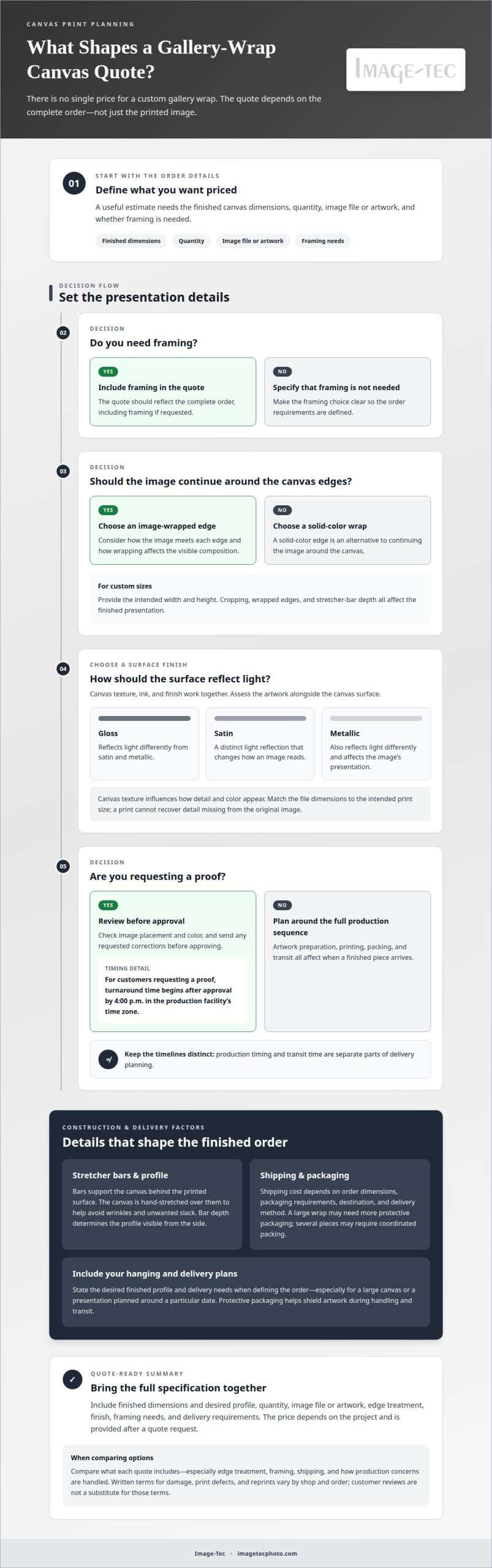
Key Takeaways
- Understand how print dimensions, material choices, construction, shipping, and hanging hardware shape a canvas order’s cost.
- Learn how hand-stretched canvas and gloss, satin, or metallic finishes affect the finished presentation.
- See how shipping arrangements and proof approval timing can influence the production process.
- Choose whether the image should continue around the canvas edges or give way to a solid-color wrap.
How Much Does it Cost to Gallery Wrap a Canvas?
There is no single price for a custom gallery wrap. The quote depends on the order’s specifications, including size, canvas, edge treatment, framing, and shipping.
Pricing and Custom Quotes
A custom quote should reflect the complete order, not just the printed image. For a useful estimate, specify the finished canvas dimensions, quantity, image file or artwork, and whether you need framing. These details help define materials and production requirements. The price depends on the project and is provided after a quote request.
Customer reviews can help you assess service, but look for specific details rather than general praise. Comments about communication, image preparation, packaging, or handling a damaged order offer more practical insight. For gallery-wrapped canvas printing in Newburyport, consider whether the service described matches your needs, such as a custom size or coordinated framing. Reviews provide context, but they cannot establish current order terms or guarantee the same experience for every customer.
Print shops and online canvas services differ in how you place an order, arrange delivery, and get support. A local studio may discuss an image or custom project with you directly, while an online service may guide you through its ordering system. Compare what each quote includes, especially edge treatment, framing, shipping, and how production concerns are handled.
Which Newburyport print shops offer gallery-wrapped canvas prints? Choose a shop that explicitly describes gallery wraps and custom orders; this section doesn’t name other local businesses or compare their current offerings.
Custom Wrap Sizes
Custom-size gallery wraps can be tailored to a particular wall or image composition. Provide the intended width and height, then consider how cropping and the wrapped edges affect the visible image. Stretcher-bar depth also changes the canvas profile, so the finished dimensions alone may not describe the full piece.
What canvas sizes and depth options are available locally? Custom dimensions depend on production capabilities, and the profile depends on the stretcher-bar construction. Include both the finished measurements and desired profile when requesting a quote.
What are the return, reprint, and damage policies for local canvas printers? Policies vary by shop and order. Before placing a custom order, review the written terms for damage, print defects, and reprints. Customer reviews are not a substitute for those terms.
Gallery-wrapped canvas materials and construction
Canvas, ink, and stretcher bars work together to shape a print’s appearance. The materials and construction affect how photographs and fine art look across the finished surface.
Canvas Materials and Inks
Canvas texture influences how detail and color appear, so assess the image alongside the surface. A smooth photograph and a richly textured artwork can look different on the same canvas. Ink and canvas work as a print system, while the finish also shapes the result. Gloss, satin, and metallic finishes reflect light differently and can change how an image reads in a room.
File quality matters, too. What photo resolution and file requirements suit canvas printing? The right resolution depends on the image dimensions and intended print size. Use the highest-quality original available, and avoid unnecessary enlargement of a small or compressed file. A print cannot recover detail that the original image does not contain.
Stretcher Bars and Depths
Stretcher bars support the canvas behind the printed surface. The canvas is hand-stretched over the bars to help avoid wrinkles and unwanted slack. Bar depth determines the profile visible from the side, so consider how far the artwork should project from the wall. Include your preferred finished profile when planning a custom order.
How does a gallery wrap differ from standard canvas framing? A gallery wrap stretches canvas around stretcher bars, leaving the image visible on the sides or using a chosen edge treatment. Standard framing places the canvas inside a separate frame around its perimeter.
The origin of materials is separate from where printing takes place. A Newburyport-area production location does not establish whether the canvas, stretcher bars, or inks were made in the United States. If U.S.-made components are important to your project, specify material origin as a separate requirement.
For a well-resolved result, match the file dimensions to the intended print size, then consider how the image meets each edge. These steps help coordinate image resolution, canvas finish, and construction before production.
Shipping and ready-to-hang hardware
Shipping and production timing are separate parts of a canvas order. Artwork preparation, proof approval, printing, packing, and transit all affect when a finished piece arrives. Include delivery needs and hanging plans when defining the order, especially for a large canvas or a presentation planned around a particular date.
For customers requesting a proof, turnaround time begins after approval by 4:00 p.m. in the production facility’s time zone. Build that approval step into the schedule: review the proof promptly, check image placement and color, and send any requested corrections before approving. Production timing and transit time are distinct, so delivery planning should account for both.
Shipping costs depend on the order’s dimensions, packaging requirements, destination, and delivery method. A large gallery wrap may need more protective packaging than a smaller print, while several pieces may require coordinated packing. These factors affect shipping costs; production costs relate to the print and its specifications. There is no single shipping or production figure for every order.
Protective packaging helps shield artwork during handling and transit. At delivery, inspect the outer package and canvas for visible damage before removing or discarding packing materials. If either appears damaged, document what you see and keep the packaging. This information helps describe the issue under the seller’s damage policy.
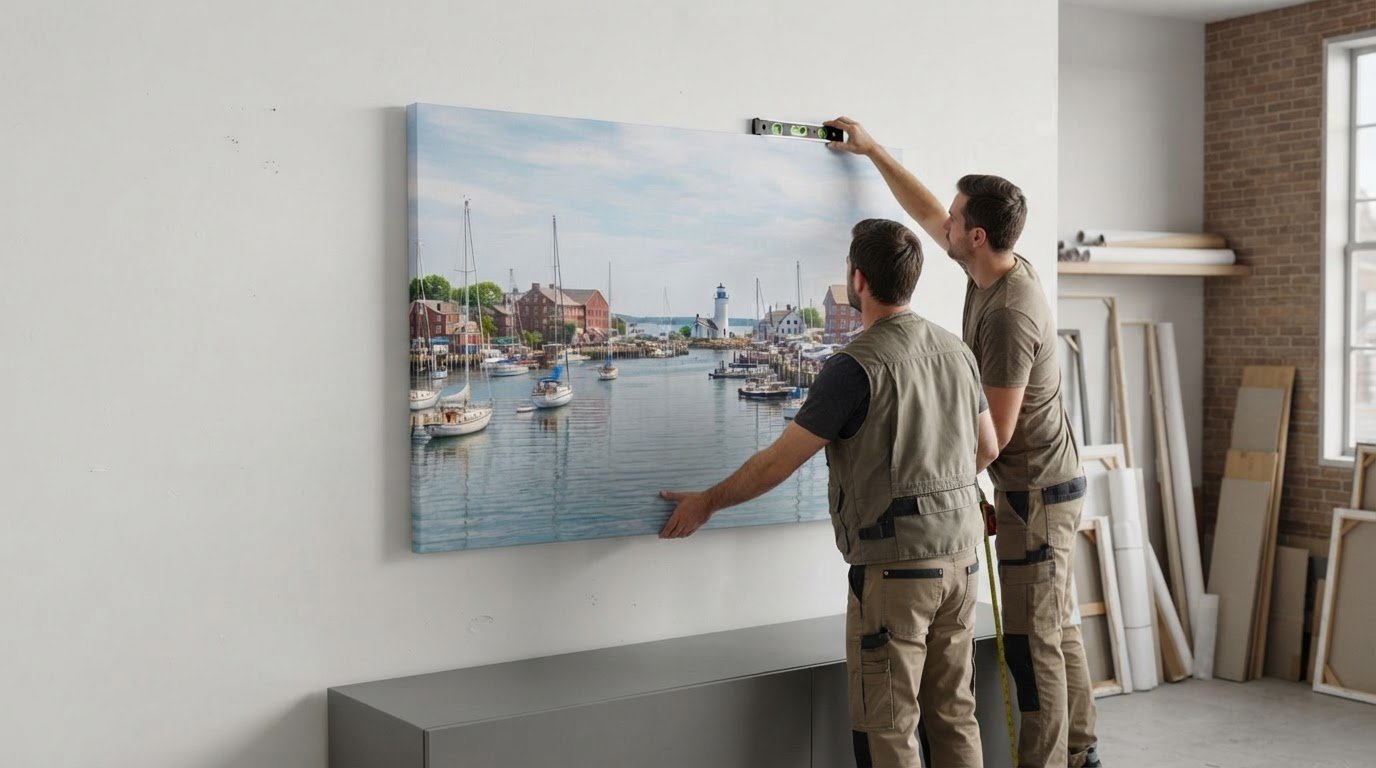
“Ready to hang” describes the intended use, but hardware and installation requirements can vary. Plan around the finished canvas dimensions, stretcher construction, wall surface, and desired placement. A large piece may require a different hanging approach from a small print. Confirm the hardware details in the order specifications rather than assuming every canvas has the same fittings.
For a smooth upload and delivery process, prepare the artwork file before ordering and provide complete shipping details with the order. Keep the approved proof and order information available through delivery. These steps help connect the image selected, the beautiful finished presentation, and the practical requirements for displaying the finest print safely.
Wrapped canvas print product features
A canvas wrap changes how an image reads beyond its front surface. The image can continue around the edges for a continuous look, or the edges can use a solid color. That choice affects how the print relates to its display space. For example, wrapping a landscape extends the scene, while solid-color edges keep attention on the front image.
Consider the composition before choosing an edge treatment. If a face, text, or key detail sits close to the image boundary, wrapping the image may move part of it out of view from the front. Review the crop carefully, especially for photographs with subjects near the edges. Solid-color edges can preserve the complete front-facing composition without extending image content around the sides.
Scale matters, too. Large prints occupy more visual space, so the image and its edges can influence a room’s overall balance. A panoramic photograph may suit a continuous image wrap, while a graphic with a narrow border may work better with solid-color sides. Choose based on the image’s composition and intended display, not just the print dimensions.
Consider viewing angles as well as the straight-on view. In a hallway, people may see the sides while passing; above a sofa, the front may dominate. Check all four edges in the final crop, since an unexpected face, lettering, or horizon can distract from the finished piece. This is especially useful for larger canvas wraps.
Before ordering, decide whether the wrap should extend the image or create a clean border, then review the full-edge preview if provided. This keeps the edge treatment aligned with the artwork’s focal point and the intended display. To plan a canvas project around your image and presentation goals, discuss your canvas print project.
Image-Tec: Giclee Printing Canvas prints up to 60″ wide & custom Framing
Image-Tec produces Giclee canvas prints up to 60 inches wide and provides custom framing for artwork that needs a finished presentation. If you’re planning a gallery wrap, these capabilities help connect print scale with the way you intend to display the image.
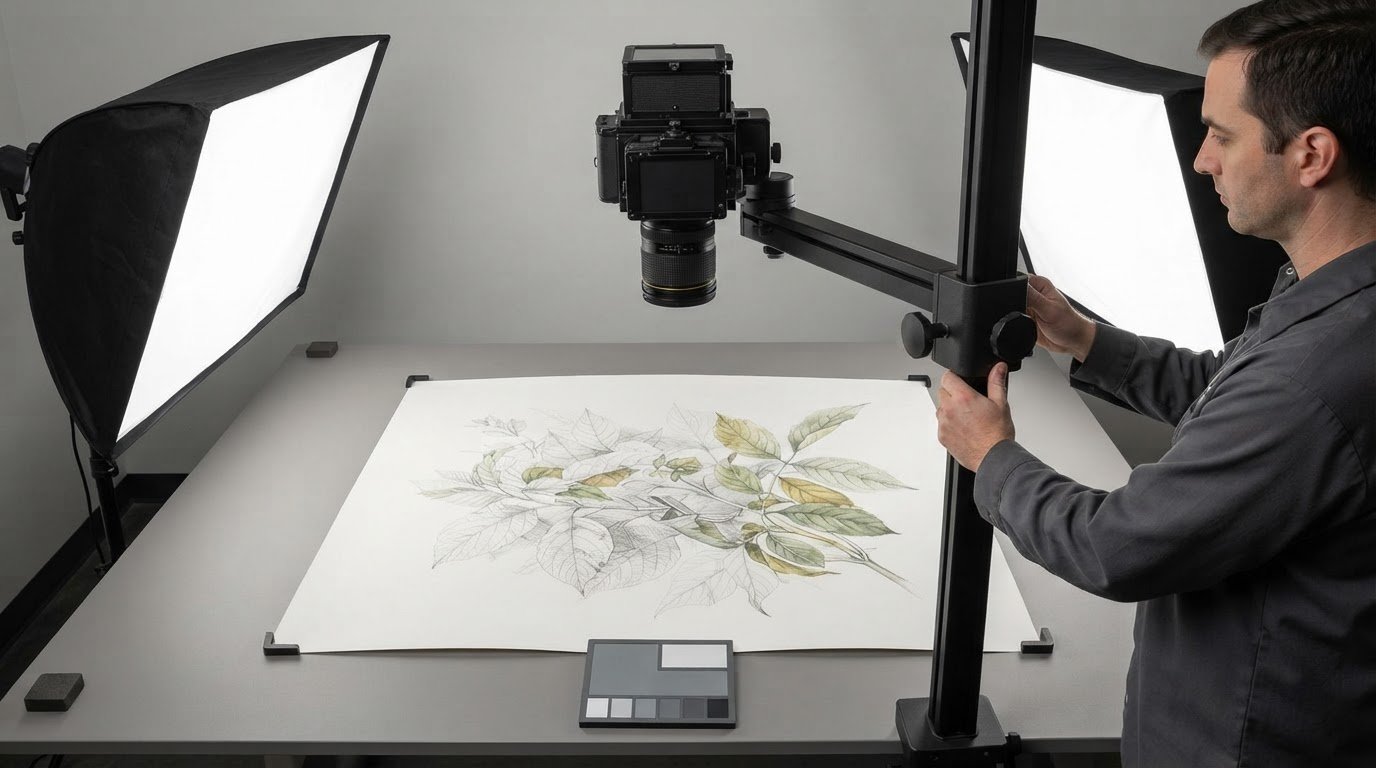
For artwork that needs detailed digital capture before printing, BetterLight scanning can support the reproduction process. Image-Tec also offers commercial photography and 360 photography for businesses and organizations with distinct image needs. These services suit different projects, so the right starting point depends on whether you’re printing an existing file, reproducing artwork, or creating new photography.
Share your image or project details, intended size, and preferred presentation when discussing your order. Contact Image-Tec to talk through your gallery-wrapped canvas project.
Plan the canvas around its final display
Before ordering, decide how the image should work in the space. A family photograph may call for an intimate focal point, while a landscape can anchor a larger wall. Consider viewing distance, surrounding colors, and whether the canvas should stand alone or sit alongside other artwork. These choices can guide the crop and edge treatment, helping the finished piece feel considered rather than chosen by size alone.
For gallery-wrapped canvas printing in Newburyport, bring the intended display and image together from the start. A clear sense of placement can help shape a more cohesive project, especially when the image has important details near its edges or needs to complement existing decor. The next step is to discuss the artwork and the presentation you have in mind. Contact Image-Tec about your canvas printing project, and move ahead with a plan tailored to the image and its place in your space.
Frequently Asked Questions
Where can I get gallery-wrapped canvas printing in Newburyport, MA?
Image-Tec serves Newburyport from its studio in Methuen, Massachusetts, and produces Giclée canvas prints. For gallery-wrapped canvas printing in Newburyport, prepare the image and intended finished dimensions before discussing your order. If your project involves an original artwork rather than a digital file, Image-Tec’s BetterLight scanning can capture it for reproduction, followed by canvas printing.
What are the prices for gallery-wrapped canvas printing?
Pricing depends on the order’s specifications, and a custom quote is provided after a quote request. Include the finished width and height, number of prints, preferred canvas finish, and any framing needs. For multiple images, list each size and quantity separately. Clear specifications help define the complete order and show how its choices affect the quote.
How long does canvas printing take in Newburyport?
Turnaround begins after a requested proof receives approval by 4:00 p.m. in the production facility’s time zone. The overall schedule also depends on proof review and production, so plan around your intended display date rather than assuming a specific arrival day. For an event or installation, leave time to review the proof and address any image changes before approval.
Do local shops offer canvas pickup, delivery, or shipping?
Pickup, delivery, and shipping arrangements depend on the order and fulfillment options. For a Newburyport destination, include the delivery address and preferred method when requesting a quote. Consider access and handling at the destination, especially for a large canvas going to an office, gallery, or upper-floor room. Keep the packaging until you have inspected the print for damage.
How should I prepare an image for gallery wrapping, including edge cropping?
For gallery-wrapped canvas printing in Newburyport, start with the highest-quality original file and consider edge treatment before cropping. Keep faces, lettering, and other essential details away from the outer boundary, since image continuation can carry details around the sides. For example, leave clear space around a portrait subject. Review the full crop and all four edges before approving production.
What are the return, reprint, and damage policies for local canvas printers?
Policies vary by shop and order. Review the written terms for damage, print defects, and reprints before ordering. If a delivery appears damaged, document it and keep the packaging.




Leave A Comment
You must be logged in to post a comment.