
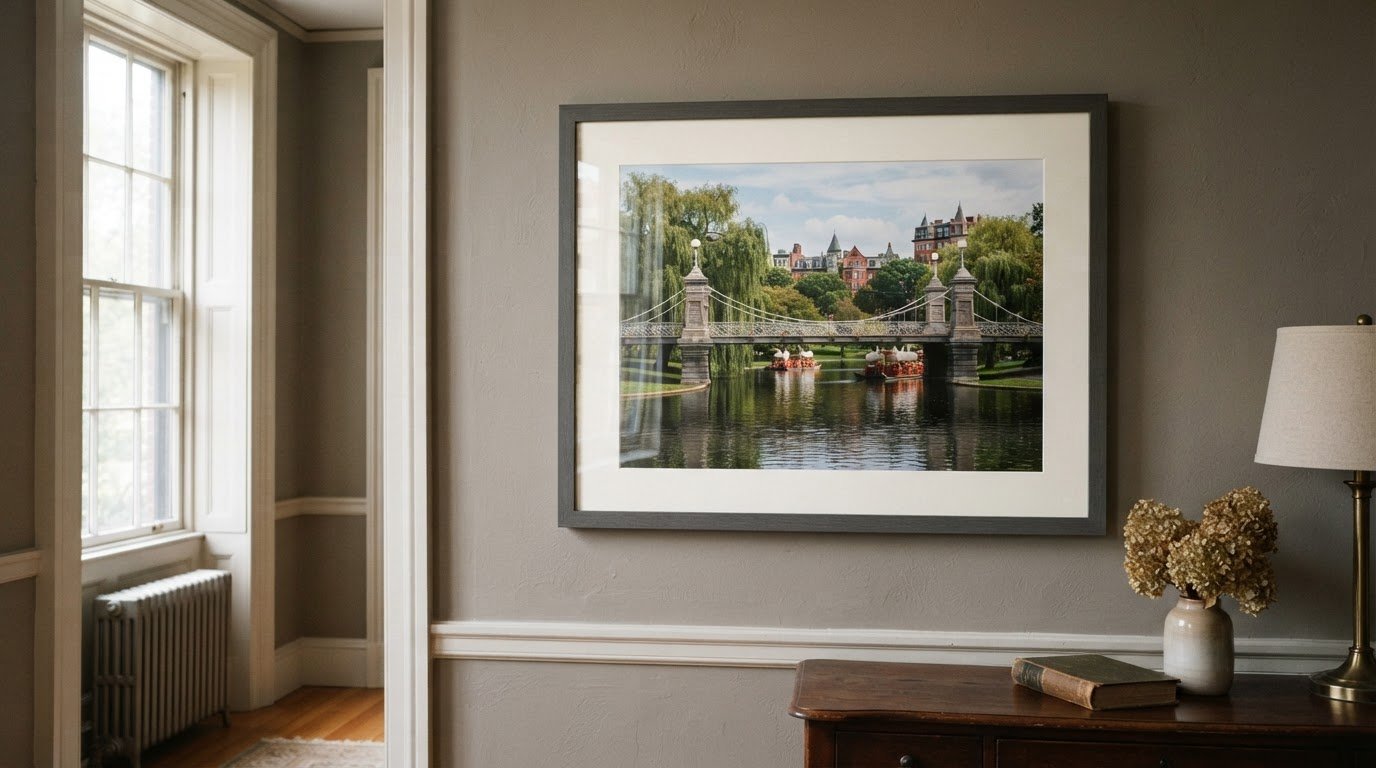
Museum quality framing in Boston combines a custom frame, conservation-minded materials, and protective glazing selected for the artwork. The right combination presents prints, posters, and photographs while addressing their display and preservation needs. There’s no single package for every piece: the artwork and its intended setting guide the choices.
A frame should do more than complement a room. Matting, glazing, and the way a piece is fitted can all affect how it looks and how it’s protected, so it’s reasonable to want a clear sense of what each choice does before deciding.
This guide explains how custom frames, decorative and conservation mats, and protective glazing work together. It also covers the details that shape the result and how fine art printing and framing can be combined when preparing artwork for display.
Key Takeaways
- Choose frame materials and proportions to support the piece’s presentation without overpowering it.
- Match the framing approach to the artwork’s medium, condition, and display setting.
- Use matting and glazing choices to shape the appearance and protection of a framed piece.
- Consider custom framing alongside fine art printing when preparing an image for display.
Custom framing
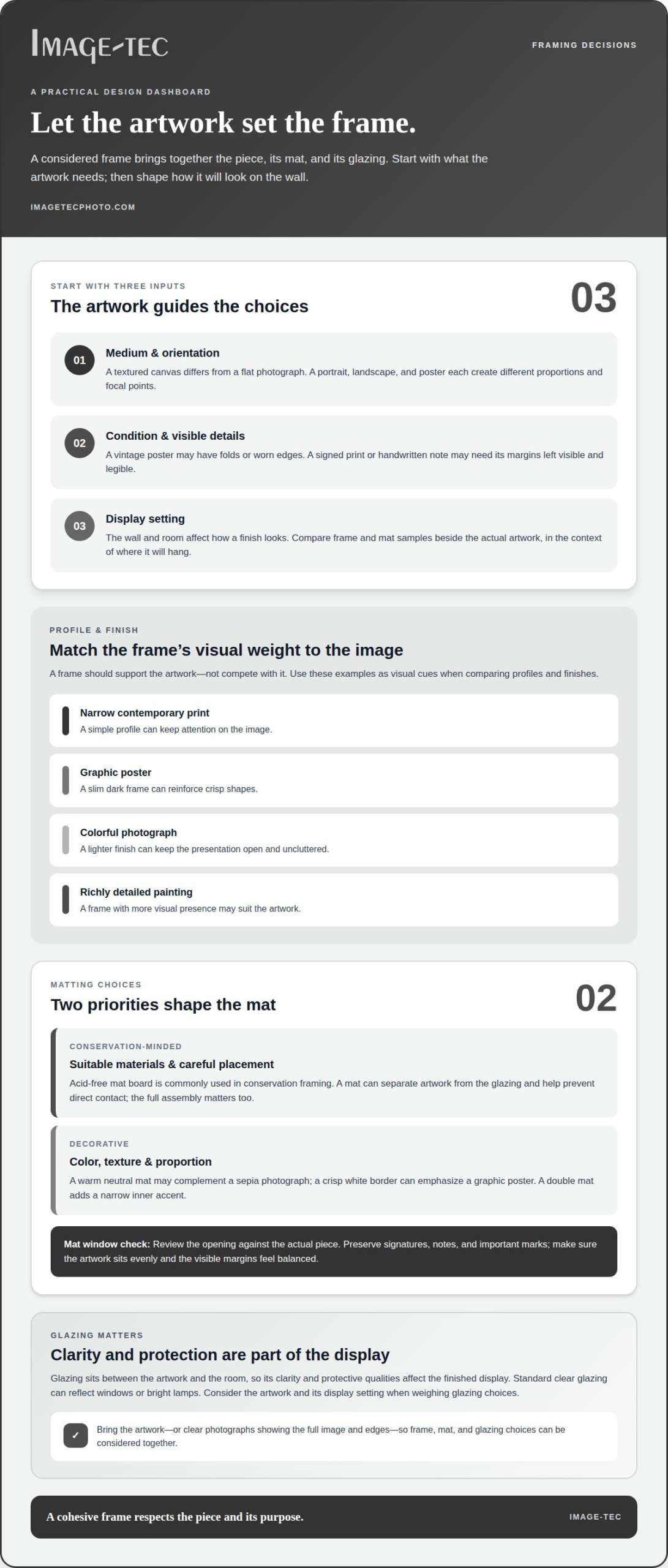
A custom frame is designed around a picture rather than selected solely by standard dimensions. Start with the artwork’s size, orientation, and visual character. A narrow contemporary print, for example, may suit a simple profile that keeps attention on the image. A richly detailed painting may call for a frame with more visual presence. Museum quality framing in Boston starts with these practical design decisions, then considers how the frame, mat, and glazing work together.
Contemporary custom frames can feature clean lines, restrained profiles, or contrast with the artwork. A slim dark frame may reinforce the crisp shapes of a graphic poster, while a lighter finish can keep a colorful photograph feeling open and uncluttered. Compare frame samples beside the picture, not in isolation. The wall and room also affect how a finish looks, so consider where the framed piece will hang.
Custom and handmade frames allow the dimensions and finish to respond to a specific piece. A small work on paper may need a carefully balanced border, while a wide canvas has different proportions. Handmade detailing can add character, but it should support the image rather than compete with it. Mira Bishop won the 2013 Best in Show award for “Framing Art on a Napkin,” highlighting the creative possibilities of framing design.
Custom frame design works best as a sequence of choices. First, identify the picture’s medium and orientation. Then compare profiles and finishes with its colors and visual weight. Finally, consider matting and glazing, which affect presentation and protection. A portrait, landscape, and poster, for instance, each create different proportions and focal points. A considered design ties these elements together rather than treating the frame as an afterthought.
Custom mirrors follow the same principle: fit the frame to the mirror’s shape and the room’s style. A rectangular mirror may suit a restrained contemporary profile, while an ornate finish can add definition to a plain wall. Measure the intended placement and consider nearby furniture, lighting, and wall finishes. These details help establish a deliberate frame scale and finish, whether the mirror is for a hallway, bedroom, or living space.
Artwork, prints, posters, and photographs
Paintings, paper prints, posters, and photographs each have different framing needs. Textured canvas differs from a flat photograph, while a vintage poster may have folds or worn edges. Identify the medium, condition, and intended display before choosing materials. These details help determine whether the piece should sit close to the glazing or have space around it.
For a framing consultation, bring the piece or clear photographs showing the full image and its edges. Note the image dimensions, orientation, and planned display location. Comparing frame and mat samples with the actual artwork makes it easier to assess color and scale. A narrow border may suit a small print, while a large landscape can carry a wider visual margin.
Local artists may frame original work, editions, and exhibition pieces with different goals. An artist preparing a series may want consistent frame profiles across several images. A collector framing one signed print may prioritize its signature and margins. Share the artwork’s context, including whether it will be displayed alone or as part of a group. That helps guide the design without letting the frame distract from the image.
To transport artwork to a Boston framing studio, carry paper pieces flat between clean, rigid boards, and keep tape off the image. Keep the work dry and prevent objects from pressing against its surface. Carry canvas securely by its frame, not by the painted area. For framed work, protect the glazing and corners from impacts during the trip.
Before settling on a frame for a new image, consider print preparation options alongside its intended size and display. A consistent plan can help the finished artwork feel cohesive, whether it’s a single photograph or a coordinated group of prints.
Conservation and decorative matting
A mat creates a visible border around artwork and can keep the image from feeling crowded. Its window opening also determines how much paper remains visible. For a signed print, position the opening to preserve the signature and surrounding margins. For a small photograph, a wider mat can give the image more visual space. Conservation matting prioritizes suitable materials and careful placement; decorative matting emphasizes color, texture, and proportion.
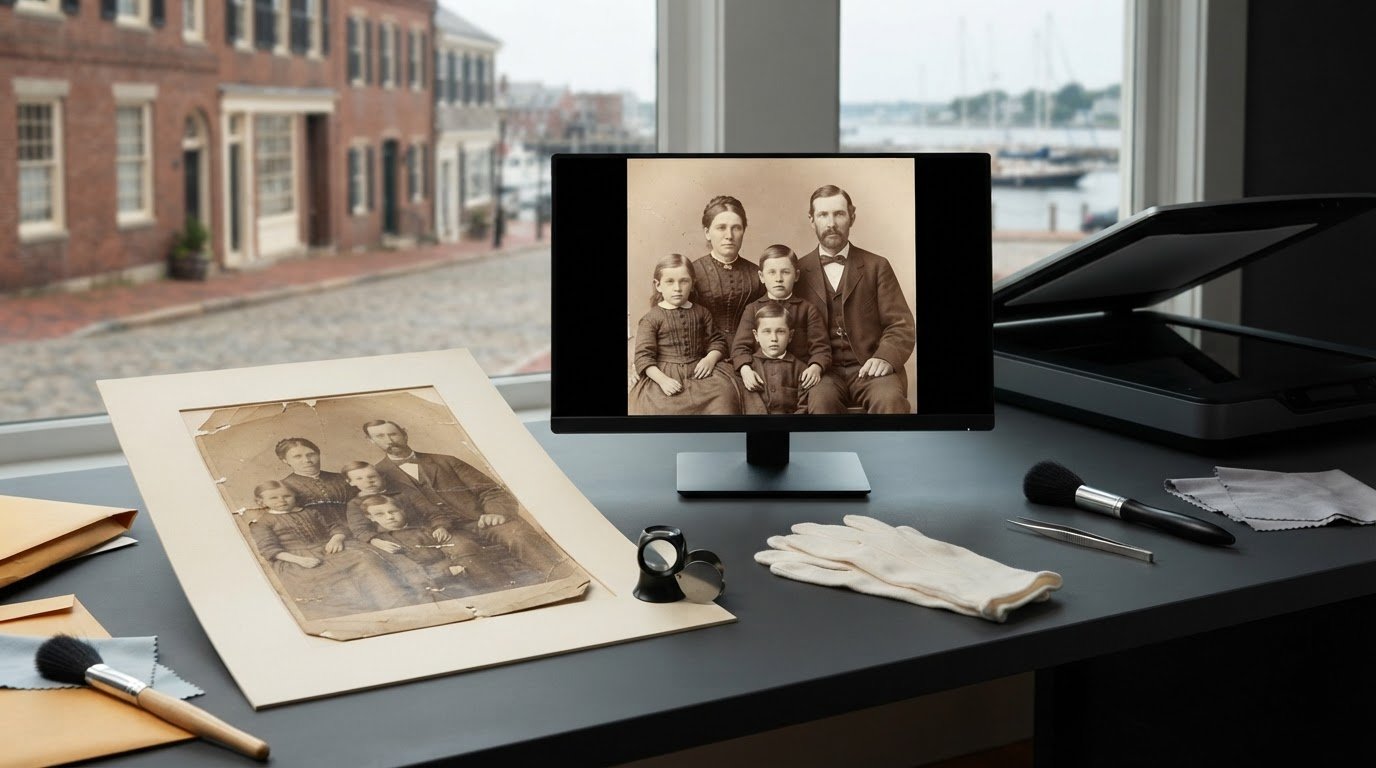
For works on paper, consider how the mat and mounting approach suit the piece’s condition and future handling. Acid-free mat board is commonly used in conservation framing, but the full assembly matters too. A mat can separate the artwork from the glazing, helping prevent direct contact. An opening cut too tightly may hide uneven edges or important marks, so review it against the actual print before assembly.
When comparing Boston framing options, look for clear explanations of conservation or archival materials and mounting choices. Consider how the stated approach suits your specific piece, whether it’s a fragile drawing, a family photograph, or a frequently handled print.
Decorative choices can still support the image. A warm neutral mat may complement a sepia photograph, while a crisp white border can emphasize a graphic poster. A double mat adds a narrow inner accent without changing the artwork. Hold a small color sample beside the image, then assess the effect from a few steps away. This helps show whether the mat supports the focal point or draws attention from it.
Before approving a design, check that the artwork sits evenly in the window and that the visible margins feel balanced. A print with a handwritten note below the image, for example, needs an opening that leaves the note legible. Conservation-minded design protects that detail, while decorative choices shape the presentation. The right mat respects both the physical piece and why you want to display it.
Museum glass and protective glazing
Glazing sits between artwork and the room, so its clarity and protective qualities affect the finished display. Standard clear glazing can reflect windows or bright lamps. Museum glass is designed to reduce distracting reflections, making photographs and detailed drawings easier to view. Compare samples over the actual artwork, since room lighting affects how glazing looks.
UV-filtering glazing can limit exposure to ultraviolet light, which contributes to fading in some materials. It doesn’t prevent every cause of fading, so placement matters too. A print displayed in direct sunlight, for example, faces different exposure than one on an interior wall. Consider the image’s sensitivity and where it will hang before selecting glazing.
Protection depends on several choices working together: suitable glazing to reduce exposure, archival-quality materials around paper, and proper spacing to keep artwork from touching the glazing. A clean, well-fitted frame can also help limit dust entry. These measures support protection, but they don’t make a framed piece waterproof or eliminate the effects of unsuitable display conditions.
To reduce risks from fading, moisture, and acid damage, pair UV-filtering glazing with acid-free mat and backing materials, and keep the frame away from damp areas. A paper print in a humid room, for example, needs attention to both framing materials and display location.
Glazing also involves practical handling. Glass is rigid and may suit smaller framed pieces, while lighter glazing may be considered for a large work that’s difficult to move. Compare clarity, reflections, and weight in relation to the picture’s size and display location. A large poster in a busy hallway may have different handling needs from a small family photograph on a shelf.
For a framed print or canvas, match the glazing plan to the medium and intended display. Explore custom framing for artwork as part of planning its presentation and protection.
Image-Tec: Giclee Printing Canvas prints up to 60″ wide & custom Framing
Image-Tec is a natural next step when you need a fine art image produced and framed together. Its Giclee printing includes canvas prints up to 60 inches wide, alongside custom framing. This can suit an artist preparing a large canvas reproduction or a collector planning a framed print for a particular space.
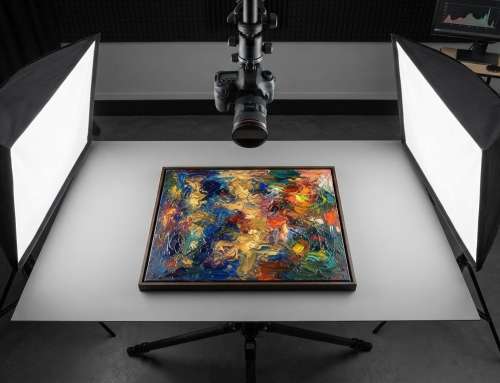
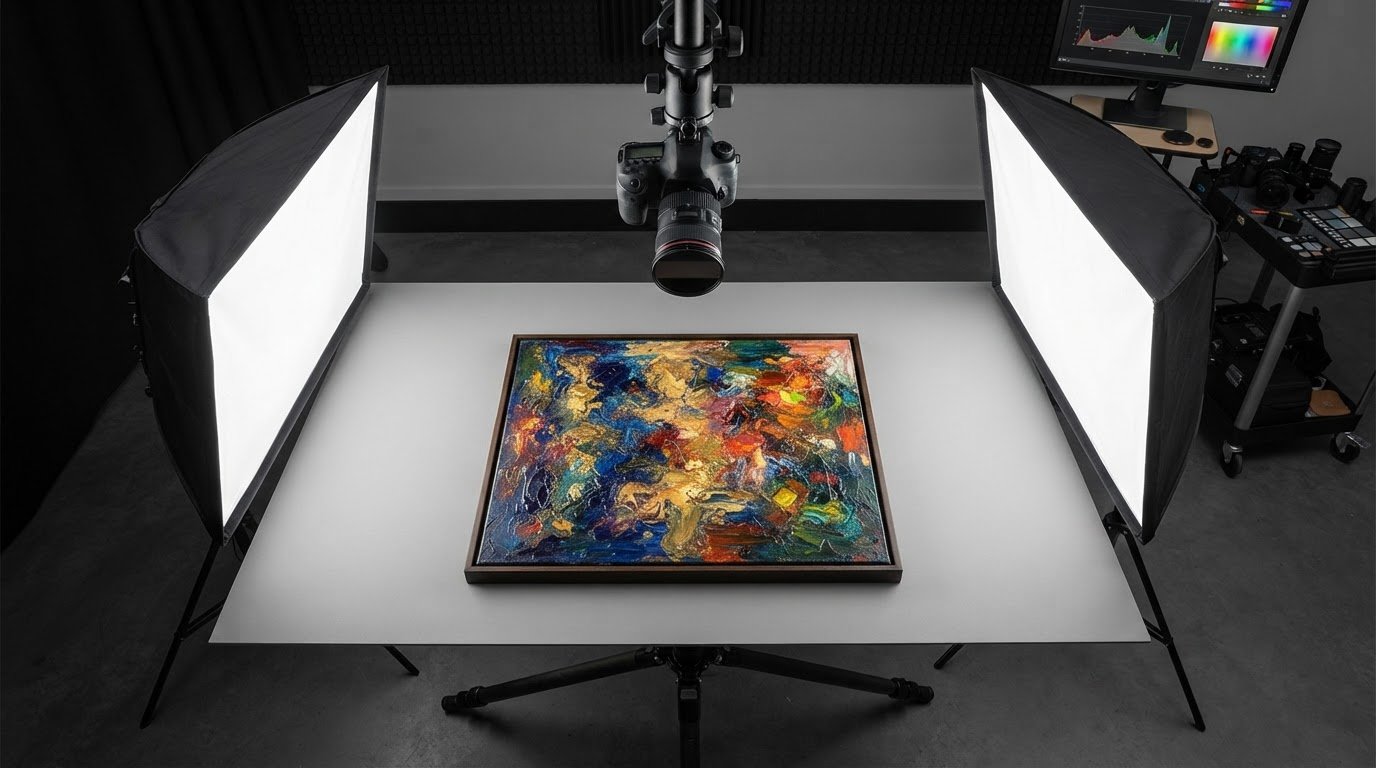
For existing artwork, BetterLight scanning provides a digital capture option before reproduction. Pairing a scan with a print plan helps you consider the image, intended size, and finished presentation as connected decisions. Commercial Photography and 360 Photography also serve distinct imaging needs, rather than replacing artwork framing.
To discuss a print or framing project, contact Image-Tec.
Plan the next step for your artwork
Start the framing decision with how you want the artwork to fit into your space. Identify its intended wall or display area, note the surrounding colors, and decide what viewers should notice first. These choices give the frame design a clear purpose and connect the presentation to the room.
A museum-quality framing plan in Boston can also be part of a larger image project. Image-Tec combines custom framing with Giclee printing, canvas prints up to 60 inches wide, BetterLight scanning, and commercial photography. That range can be useful when an image needs careful capture or printing before it’s ready for display.
Gather the artwork or image file, its intended location, and any preferences you have for the finished presentation. Then contact Image-Tec about framing to discuss your project. A considered plan is a practical start toward displaying work with confidence.
Frequently Asked Questions
Where can I get museum-quality framing in Boston?
Image-Tec offers custom framing for artwork and prints from its Methuen studio, serving Boston and nearby New England communities, including Newburyport and Manchester, New Hampshire. Framing can also complement Giclée printing when you’re preparing a new image for display. Bring the artwork’s dimensions, medium, and display preferences to start planning a frame that suits the piece.
What does museum-quality framing mean, including UV glass and archival materials?
Museum-quality framing describes a coordinated approach to presentation and preservation, not one specific frame style. It can include UV-filtering glazing, archival-quality mats and backing, and mounting suited to the artwork. A signed paper print, for example, needs its margins considered alongside the visible image. UV-filtering glazing addresses light exposure, while archival materials help avoid unsuitable contact with the artwork.
What should I look for when choosing a museum-quality framer in Boston?
Look for a clear explanation of how the frame design, matting, mounting, and glazing suit your specific piece. Bring a photograph or the artwork itself, along with an example of the room where it will hang. For a Boston-area reproduction project, Image-Tec’s Giclée printing and BetterLight scanning can connect image preparation with custom framing. Let the medium and desired presentation guide the choices.
How long does custom museum-quality framing take in Boston?
Custom framing schedules depend on the project’s design and production requirements. A straightforward frame differs from one requiring a particular profile, layered matting, protective glazing, or careful fitting. The artwork’s condition and dimensions also shape the work involved. If printing or scanning is part of the project, those steps add a separate production stage before framing.
Do Boston frame shops offer consultations, pickup, delivery, or installation?
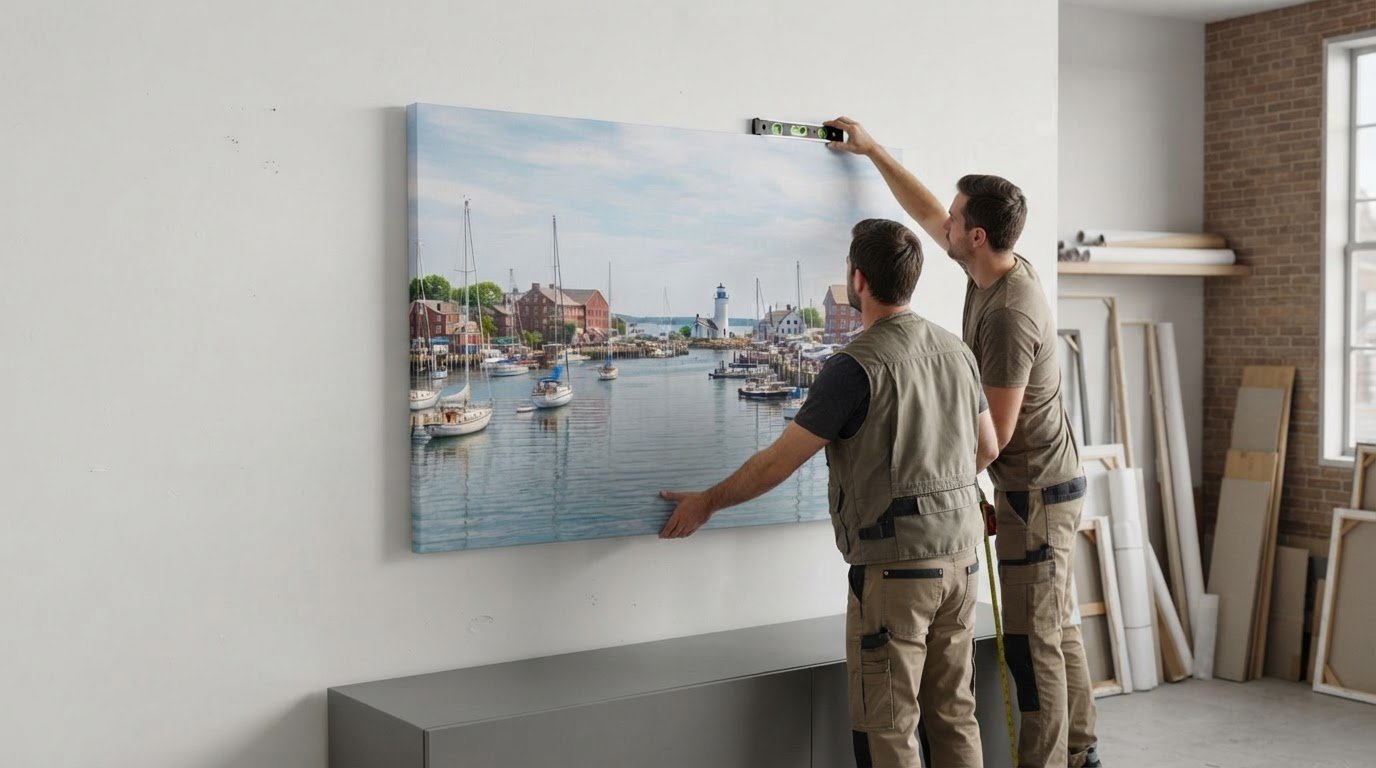
Consultation and handoff arrangements differ among Boston-area framing studios. A design discussion can help you compare samples and consider how a frame will look in its intended setting. Pickup, delivery, and installation are separate logistics, not automatic parts of custom framing. Plan how the finished piece will be handed over and displayed alongside the framing design so it can be handled appropriately.
Which Boston frame shops specialize in conservation and archival framing?
When comparing Boston framing options, look for clear explanations of conservation or archival materials and mounting choices.





Leave A Comment
You must be logged in to post a comment.