
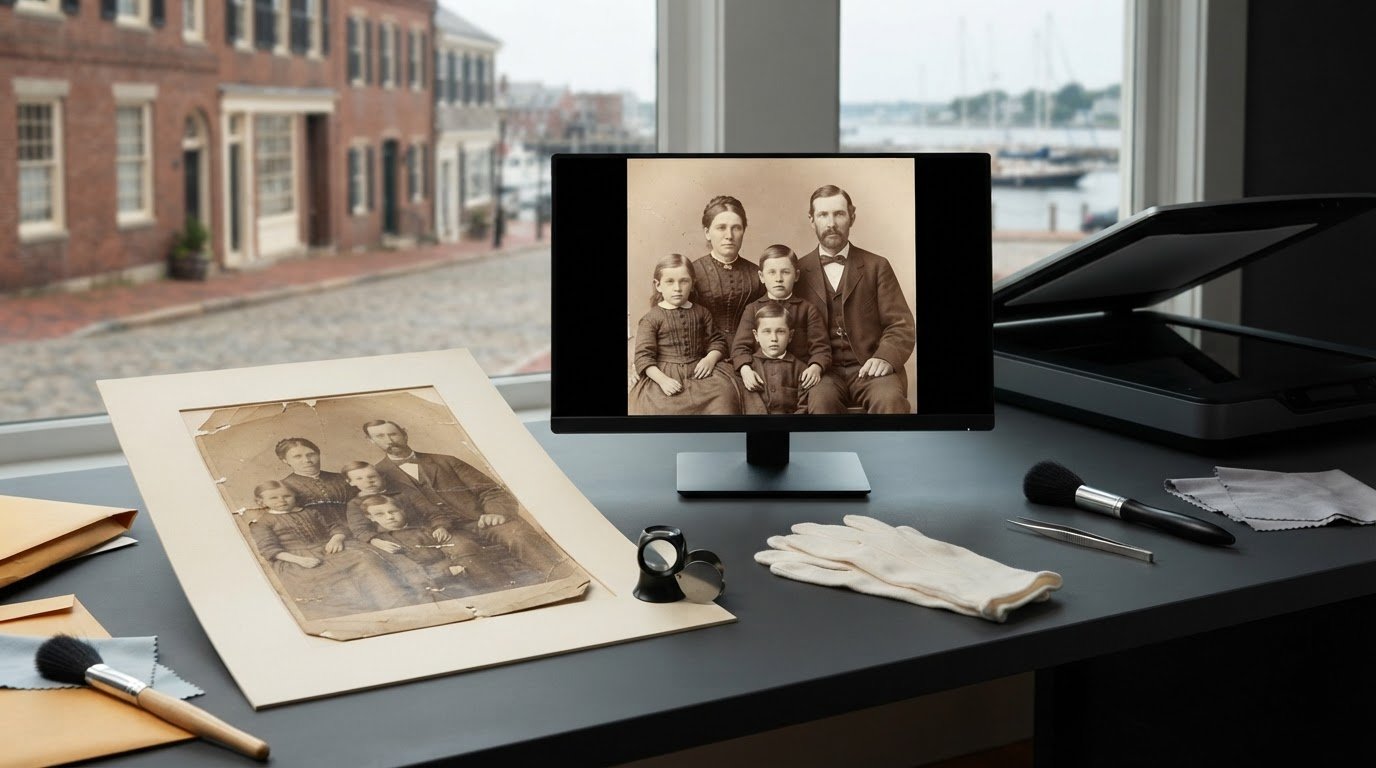
The condition of an antique photograph matters more than its age alone. The cost to restore antique photos in Newburyport depends on the damage, the detail needed in the finished image, and whether the project involves digital restoration, treatment of the original, or both. More extensive damage and hands-on treatment can require a more involved process.
It’s natural to want a clear price before entrusting a family photograph to restoration. This guide explains what affects the cost, how digital restoration differs from physical treatment, and what to consider when choosing an approach for your photograph.
You’ll also find information about the Newburyport business location and appointment-only showroom visits, so you can understand the practical details alongside the restoration process. The aim is to help you assess what your photograph may need and what to expect when planning the next step.
Key Takeaways
- Compare digital restoration with hands-on work by considering the photograph’s condition and the type of repair it needs.
- Learn what to look for when considering scanning and restoration together, and how the scan can support later use of the image.
- Understand how visible damage, image detail, and the scope of repair shape an assessment and estimate.
- See which factors influence restoration timing, plus what to know about Image-Tec’s BetterLight Scanning, print services, and appointment-only showroom visits.
How much does digital photo restoration cost compared with physical restoration?
Digital restoration works on a scanned image, while physical restoration treats the original photograph. The distinction affects the work involved, so there is no single comparison that applies to every antique print. A faded portrait may need tonal correction and removal of small marks. A torn or fragile original may need careful handling before it can be scanned or reproduced.
Digital restoration focuses on the image file. A restorer can adjust contrast, repair scratches, and reconstruct missing detail without altering the original print. The time and skill required depend on the damage: a few surface marks are a different task from a crease across a face, where missing image information needs detailed reconstruction.
- Digital restoration: The scan’s clarity, the number of damaged areas, and the detail to reconstruct shape the editing work.
- Physical restoration: Tears, paper condition, and the treatment needed for the original affect the hands-on process.
- Combined work: A photograph may need physical care before scanning, followed by digital correction for a usable copy.
A clean but faded family portrait, for example, may need digital correction alone. A print with a torn edge or deep fold presents a different challenge. Digital editing can improve a scan, but it does not repair the paper itself. If both the original and its image need attention, the project involves distinct steps.
To discuss an estimate, describe the photograph’s condition and the intended result: preserving the original, improving a digital copy, or preparing a reproduction. The estimate depends on the damage, restoration method, and detail to rebuild. A clear description helps define whether the project involves digital editing, physical treatment, or both.
Newburyport photo scanning and restoration packages?
Scanning and restoration can form one project, but the work is not a standard package. Its scope depends on the photograph, the scan required, and the intended result. A family may want a digital copy for safekeeping as well as repairs to scratches and faded tones. These goals involve connected but distinct steps.
To understand a combined estimate, break the workflow into parts. First, assess the photograph’s condition and handling needs. Scanning then captures its details in a digital file. Restoration addresses image damage, such as a crease across a face or fading in the background. The final file can be prepared for its intended use, including viewing or printing.
- Scanning: Ask what the scan is intended to preserve, including fine detail, tone, and visible damage.
- Restoration: Identify the areas that need correction, such as tears, stains, scratches, or missing image detail.
- Final output: State whether you need a corrected digital file, a scan without edits, or both.
A small portrait with a faded face and intact paper, for example, may need scanning and tonal correction. A torn photograph requires separate consideration of its physical condition and digital repair. Describing these differences helps define which stages belong in the project.
Before approving a combined project, review its steps and deliverables. Confirm whether scanning and restoration are included, which image will be worked on, and whether the final result will be a file, a print, or both. Comparing estimates by scope is more useful than comparing the word “package.” The estimate depends on the damage, scanning needs, and restoration detail.
How do local photo restoration services assess damage and provide estimates?
An estimate starts with the photograph’s condition and the result you want. A portrait with fading needs different work from a print torn across the subject. Assessing the image connects visible damage to the restoration steps required and distinguishes treatment of the physical print from editing a digital image.
Describe the photograph before discussing the project. Note any fading, scratches, stains, creases, tears, or missing areas. Say whether the damage affects the background, a face, or several parts of the image. A crease across a face, for example, may require more detailed reconstruction than marks in an empty background.
Then clarify the intended outcome. You may want a digital copy for family sharing, a corrected image for printing, or work on the original object. Each goal changes the scope. An untouched scan differs from a project that includes tonal correction and repair. Clear expectations connect the estimate to defined work.
- Condition: Identify visible damage, its location, and whether the paper is torn or fragile.
- Image detail: Point out faces, lettering, clothing, or other details that matter most.
- Requested work: Distinguish scanning, digital repair, physical treatment, and a finished reproduction.
- Deliverable: Specify whether you need a digital file, a restored original, or a print.
Before accepting an estimate, review its scope carefully. Check which restoration steps it covers and what final output it describes. If a family portrait has both a torn corner and fading, the estimate should say whether it addresses both. This helps distinguish improving the image from repairing the original print.
For photo restoration in Newburyport, a useful assessment connects each visible problem to a proposed task. Describe the photograph’s condition and your priorities, then compare the proposed work with your intended result. The main cost factors are damage severity, restoration method, and the detail required. A specific scope gives you a clearer basis for deciding how to proceed.

How long does antique photo restoration take in Newburyport
Restoration timing depends on the work required, not simply the photograph’s age. Correcting a few small marks follows a different process from reconstructing detail across a group portrait. Physical handling, scanning, image editing, and preparing the final output can each add a step. The full scope determines the project timeline.
For a Newburyport family photograph, the process begins by assessing the original and defining the desired result. A clear scan gives the restorer an image to inspect and edit. Restoration may involve balancing tones, removing distracting spots, and rebuilding damaged detail. A group portrait with faded clothing and several damaged areas needs more careful adjustments than an image requiring limited cleanup.
Physical condition also affects the sequence. A brittle print needs careful handling before scanning. If the project includes both physical treatment and digital restoration, each requires separate attention. A digital file alone follows a different workflow from a project that also includes a finished reproduction. Discuss each requested deliverable as part of the timeline.
- Scope: A short list of requested corrections helps define the editing workload.
- Image complexity: Missing details, uneven fading, and damage across important subjects require more involved work.
- Workflow: Scanning, restoration, review, and final output are distinct project stages.
- Deliverables: A restored file and a reproduction involve different finishing steps.
If you are planning around a family event or archival project, describe the intended use at the start. Specify whether you need a digital image, a print, or both. Share any priority date and identify details that must remain faithful, such as clothing patterns or handwritten text. These points help define the work sequence and expected completion window.
For a project-specific timeline, discuss your antique photo restoration with the photograph’s condition and intended result in mind.
Image-Tec: Giclee Printing Canvas prints up to 60″ wide & custom Framing
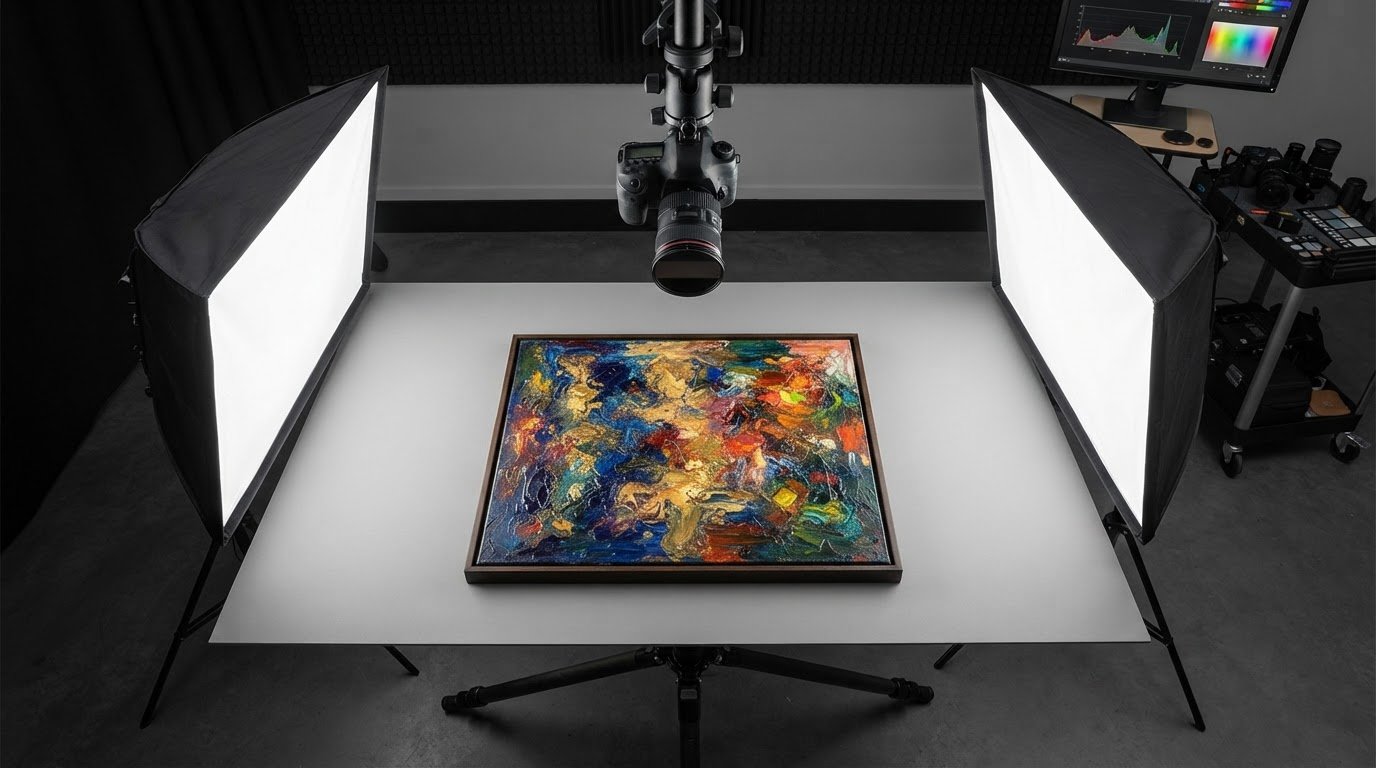
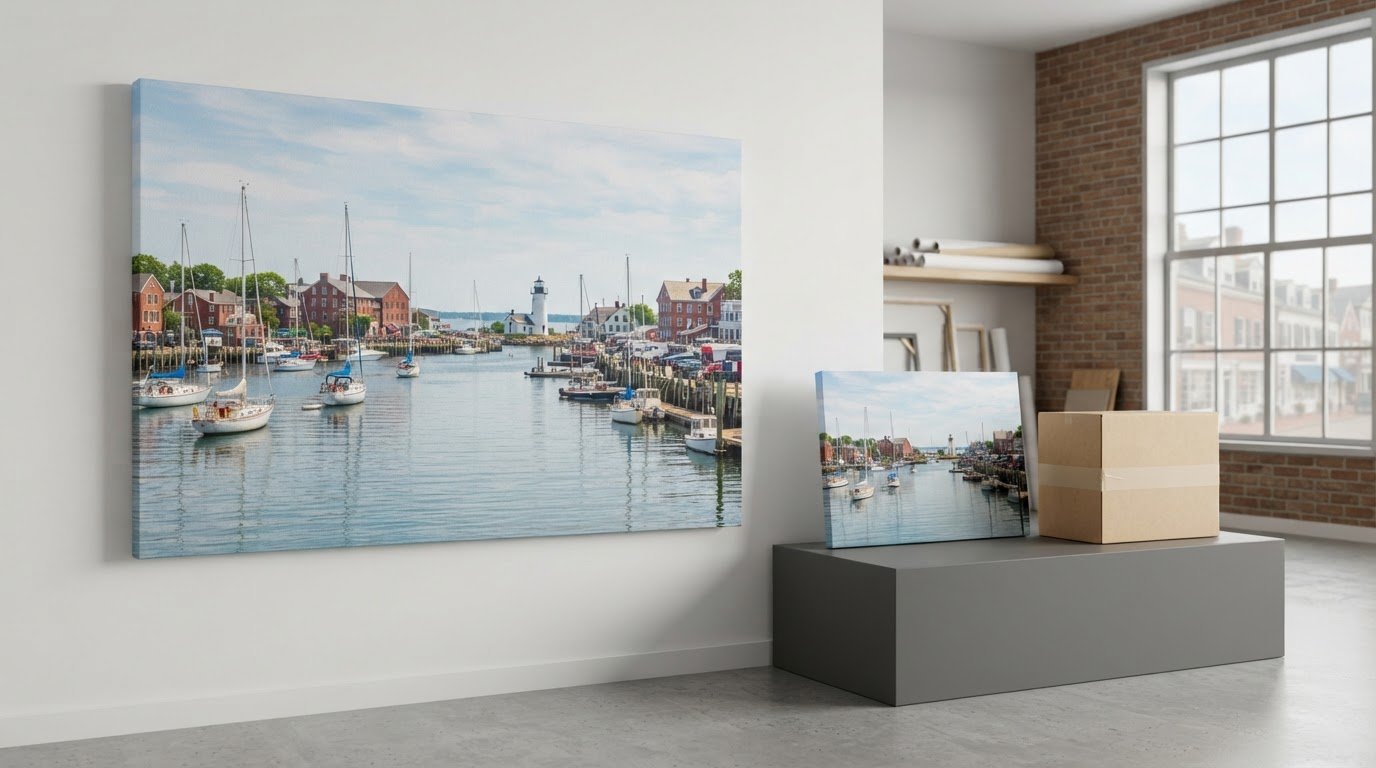
Image-Tec offers Historical Image Restoration for antique photographs that need careful digital repair. BetterLight Scanning can capture an original as a digital image, creating a source for restoration and reproduction. If you want to display the finished image, Giclee canvas printing up to 60 inches wide and custom framing offer a practical next step.
Image-Tec can connect historical image restoration with high-resolution scanning and a finished print. The right scope depends on whether you need a restored digital image, a physical print, custom framing, or a combination. Share the photograph’s condition and intended use when discussing your project.
Visit imagetecphoto.com to learn more or contact Image-Tec.
Choose the next step for your photograph
Before moving forward, decide what you want the photograph to do for you. You may want to preserve a digital keepsake, prepare a family portrait for display, or retain the original while improving its image. That purpose guides the discussion and keeps the project focused on what matters most.
Understanding the cost to restore antique photos in Newburyport starts with matching the work to the photograph’s condition and intended use. Gather notes about the damage, important details, and preferred final format. This gives the restoration discussion a clear starting point, especially when family members have different priorities for the same image.
If you’re considering an appointment-only showroom visit, plan around the photograph and the questions you want answered. A thoughtful first conversation can help clarify a suitable path without rushing a meaningful decision.
Contact Image-Tec to discuss your photos and take the next step toward preserving an image that matters to you.
Frequently Asked Questions
How much does antique photo restoration cost in Newburyport, MA?
The cost to restore antique photos in Newburyport depends on the photograph’s condition and the work requested. The estimate reflects the damage, restoration method, and detail required. For a portrait with a handwritten note on the reverse, explain whether you also want the note preserved or reproduced.
Which photo restoration services near Newburyport publish prices?
Compare any published price with the specific work it covers, rather than treating a starting rate as a complete estimate. Check whether it includes image capture, digital repairs, physical treatment, and a finished print. A rate for basic fading correction, for example, may not cover reconstructing a torn corner. An itemized scope makes the work clear.
What factors affect the cost of restoring an antique photograph?
The main cost factors are the type and extent of damage, the image details that need reconstruction, and the requested final format. A stain in a plain backdrop differs from one covering a person’s eye or a handwritten inscription. The number of tasks matters too: preserving a digital copy, repairing image details, and preparing a display print are distinct requirements.
What are typical prices for repairing tears, stains, fading, and missing areas in old photos?
There is no single price that applies to every tear, stain, faded section, or missing area. A small stain against a uniform background presents a different editing task from a tear through a face. Reconstructing missing detail is also distinct from treating physical damage to the paper. Describe the affected areas and desired result to define the work.
How can I compare local photo restoration providers and reviews?
Compare estimates by the damage addressed, whether scanning, digital repair, or physical treatment is included, and what final file or print is provided. Check that the work described matches your photograph’s condition and intended result.
What risks should I consider before mailing or handing over an antique photograph for restoration?
A torn, brittle, or otherwise fragile print may need careful handling before scanning. Digital editing does not repair physical paper. Before handing over an original, clarify whether physical treatment is part of the project and which steps are included.






Leave A Comment
You must be logged in to post a comment.