
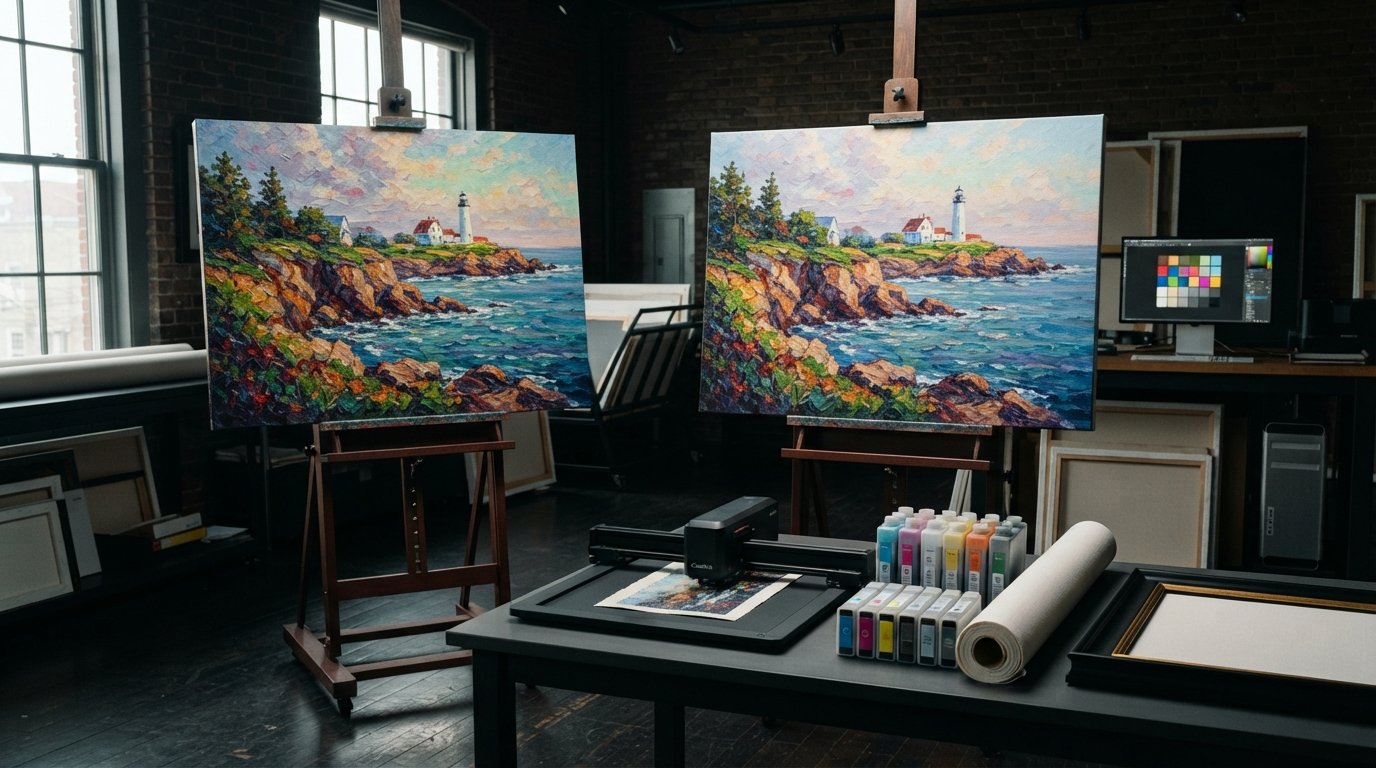
Why does a digital reproduction often feel like a hollow imitation of the original oil or acrylic work sitting on your easel? You’ve likely felt the frustration of seeing vibrant pigments turn muddy or delicate impasto textures flattened into a lifeless image by a standard printer. It’s a common struggle for creators who find that mass-market labs simply cannot capture the soul of a physical masterpiece. We agree that your art deserves better than impersonal service and shifting colors that fade within a decade.
This guide serves as your technical roadmap for creating professional canvas prints for artists that meet true museum-grade standards. You’ll discover how to achieve archival longevity exceeding 100 years by selecting the right poly-cotton substrates and UV-inhibiting glazes. We will detail the precision of BetterLight scanning, which captures every brushstroke without the blur of standard digital cameras. By the end of this article, you’ll understand the exact requirements for color matching, archival materials, and custom framing needed to transform your originals into gallery-ready reproductions that command the same respect as the first stroke of your brush.
Key Takeaways
- Learn why BetterLight scanning is essential for capturing the physical texture and paint depth of your original artwork; it provides a level of detail that standard digital photography cannot match.
- Understand the technical requirements for professional canvas prints for artists, including the use of archival pigment inks and heavyweight poly-cotton substrates for century-long durability.
- Discover how wide-format Giclée printing enables museum-grade reproductions up to 60 inches wide while preserving the most delicate brushstroke details.
- Evaluate the differences between gallery wraps and custom framing to determine which presentation style best aligns with your artistic brand and specific gallery requirements.
- Explore the logistical benefits of in-person color matching and physical proofing at a local studio to ensure your finished reproductions are an exact match to the original piece.
Beyond the Consumer Lab: What Defines Professional Canvas Prints for Artists?
For many artists, the “upload and pray” model of consumer labs represents a significant professional risk. These automated systems are designed for high-volume family photo gifts, not the rigorous demands of fine art reproduction. When you choose professional canvas prints for artists, you’re entering a collaborative studio environment where technical expertise replaces guesswork. A skilled technician evaluates your digital file against the physical original, performing manual color grading to ensure every nuance is preserved.
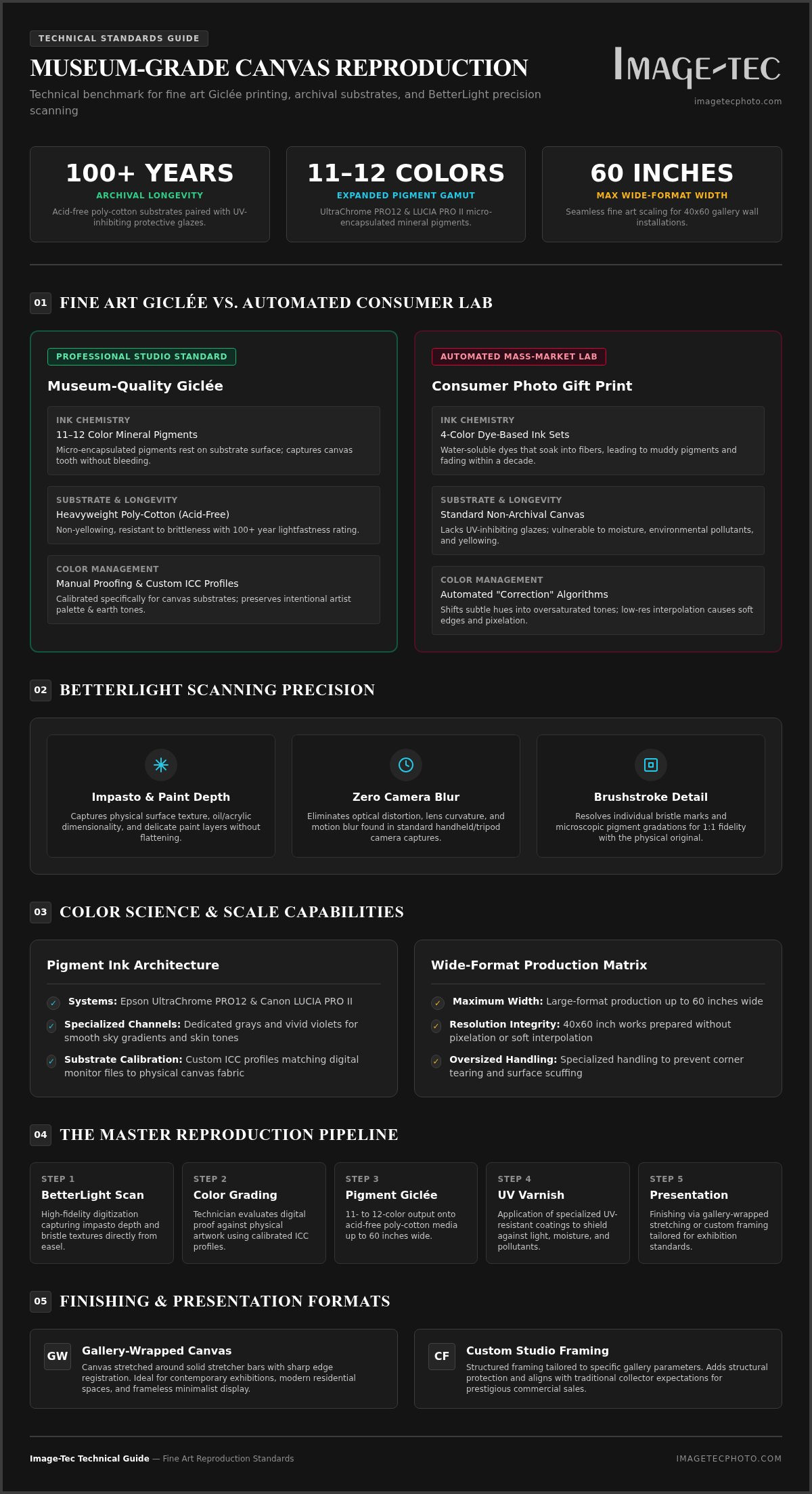
Giclée printing is a museum-quality standard using archival pigment inks. This process is fundamentally different from standard inkjet printing. While consumer machines often use water-soluble dyes that can bleed or fade, the Giclée standard utilizes micro-encapsulated mineral pigments. These pigments sit on the surface of the media, providing deep color saturation and a level of detail that captures the specific “tooth” of the canvas. This technical mastery ensures that the reproduction isn’t just a copy, but a stable, archival piece of art that reflects your original vision.
Archival Longevity and Museum Standards
Museums and high-end galleries require a lightfastness rating that exceeds 100 years. To meet this standard, professional studios use acid-free poly-cotton substrates that won’t yellow or become brittle over time. Acid-free materials are a non-negotiable requirement for any artist selling work to serious collectors. Furthermore, the application of UV-resistant coatings is essential for durability. These specialized varnishes protect the print surface from moisture, environmental pollutants, and light damage, ensuring the colors remain as vibrant as the day they were produced.
The Limitations of Automated Online Labs
Mass-production facilities rely on automated color correction algorithms. These programs often “fix” an artist’s intentional palette, shifting subtle earth tones into artificial, oversaturated hues that ruin the mood of a painting. There’s also the persistent risk of low-resolution interpolation. Automated software may stretch a file to fit a specific size, resulting in soft edges or pixelation. Professional artists prioritize manual oversight because it prevents these errors. This meticulous approach ensures that gallery-wrapped canvas prints maintain the sharp detail and rich textures required for professional exhibition and sale. In a local studio, you don’t just get a product; you get a technical partnership that honors your craftsmanship.
The Technical Superiority of Giclée Printing for Fine Art
The engine behind professional canvas prints for artists is the high-fidelity pigment ink system. While consumer-grade printers typically rely on a four-color dye-based process, professional giclée production utilizes 11- to 12-color ink sets. Systems such as the Epson UltraChrome PRO12 or Canon LUCIA PRO II provide an expanded color gamut. These extra channels, including specialized grays and vivid violets, capture subtle transitions in skin tones and sky gradients that standard printers simply cannot replicate. This precision is supported by custom ICC profiles calibrated specifically for canvas substrates. These profiles act as a technical translator, ensuring the digital file on the monitor matches the physical output on the fabric.
Wide-Format Printing: Scalability for Gallery Walls
Artists often require reproductions that command attention in large commercial or residential spaces. Our technical infrastructure supports large format fine art printing up to 60 inches wide. Unlike consumer shops that often struggle with file interpolation, professional workflows maintain high resolution and sharpness even at these significant scales. Reproducing a 40×60 inch work requires meticulous file preparation to avoid pixelation or soft edges. We also provide guidance on the specialized handling and shipping requirements for oversized canvas works. This ensures they arrive at their destination without the risk of corner tearing or surface scuffing.
Pigment Chemistry and Color Accuracy
The science of pigment-based inks is what allows a print to mimic the depth of oil or acrylic. Unlike dyes that soak into the fibers and spread, mineral pigments are micro-encapsulated. They sit on the surface of the canvas. This results in a higher “Dmax,” which is the technical term for the maximum black density. This produces deep, rich shadows that give a print its three-dimensional quality. This stability is backed by digital print preservation research from institutions like RIT. Their studies confirm that these materials resist the fading and ozone attack common in lower-quality prints.
Consistency is a hallmark of professional service. If you sell a limited edition of twenty prints over several years, the first print must match the last. We maintain strict calibration standards to ensure that every edition remains faithful to your original vision. If you are ready to scale your portfolio, you can consult with our technicians to discuss your specific project needs.
BetterLight Scanning: Precision Digitization for Original Artwork
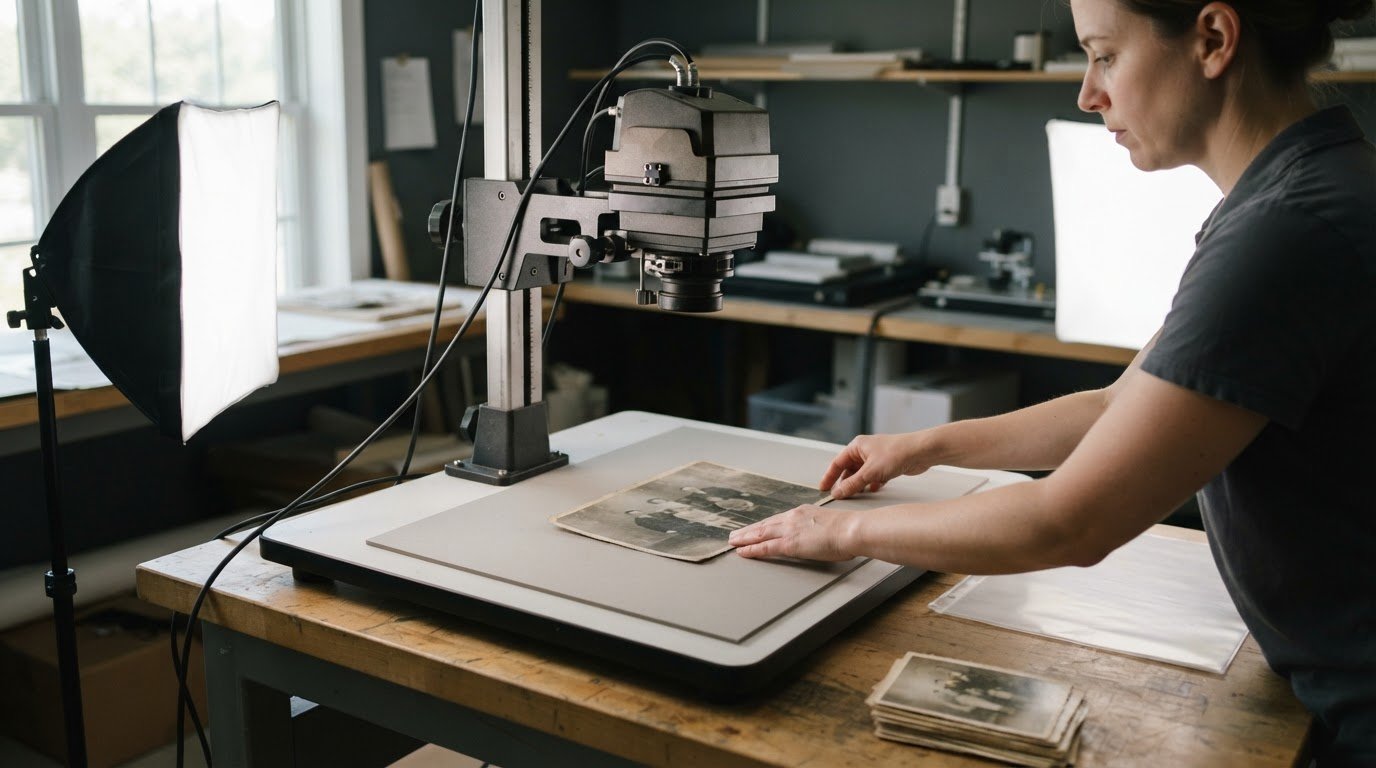
The journey toward museum-grade reproductions begins with the physical capture of your original work. Standard flatbed scanners and consumer digital cameras often fail to translate the three-dimensional nuances of a painting. These devices typically use Bayer-pattern sensors that interpolate color data, which can smooth over the very textures that make your work unique. For professional canvas prints for artists, we utilize BetterLight scanning technology. This system employs a motorized tri-linear CCD array that captures pure RGB color values at every single pixel location. It generates native files ranging from 144 to 384 megapixels, providing a level of clarity that rivals traditional large-format film.
Capturing high-impasto oil paintings or glossy acrylics presents a significant challenge: specular reflection. Without specialized lighting, surface glare can obscure fine details and distort colors. We solve this through cross-polarization, using balanced continuous lighting outfitted with polarizing film. This technique eliminates hot-spot glare while retaining the physical depth of your brushwork. The result is a digital master file that allows for massive enlargements without any loss of clarity, ensuring your work looks just as powerful at 60 inches wide as it does at its original size.
The Art of Art Reproduction
Creating a successful digital master requires more than high-end hardware; it involves a methodical approach to art reproduction printing services. Our process focuses on capturing the subtle variations in paint application, from thin glazes to thick palette knife textures. We perform color calibration against the original work under controlled D50 studio lighting. This step is vital for ensuring that the final print matches the artist’s intended palette. By bridging the gap between physical media and digital output, we provide a stable foundation for consistent, repeatable editions.
Preparing Your Original Work for Scanning
When you bring your work to our Methuen studio, there are several steps you can take to ensure the best possible capture. It’s often best to scan your work before applying a final high-gloss varnish, as this minimizes reflections even further. We provide our clients with high-resolution TIFF or RAW files rather than compressed JPEGs. TIFF files preserve all the metadata and color depth required for professional-grade editing. These files meet the Library of Congress preservation framing guidelines for digital archiving, ensuring your artistic legacy is protected. Whether you work on stretched canvas or rigid panels, our scanning environment is designed to handle diverse media with the precision your portfolio demands.
Custom Framing and Gallery Wraps for Professional Presentation
The final presentation of a reproduction is as critical as the print quality itself. Professional canvas prints for artists require a substrate that offers both aesthetic appeal and long-term physical durability. We utilize heavyweight poly-cotton blends, typically ranging from 390 to 450 gsm. This specific weight ensures the canvas can withstand the high tension of stretching without sagging or tearing over time. The “tooth” or texture of the fabric is also a primary consideration; a finer weave may suit detailed portraiture, while a coarser texture can enhance the rugged feel of landscape impasto. To maintain this tension across decades, we use kiln-dried wood stretcher bars. These bars are engineered to resist warping caused by seasonal humidity shifts, which is a common failure point in mass-produced frames.
Stretching and Finishing Techniques
The depth of the stretcher bar defines the work’s presence on the wall. A 1.5-inch gallery wrap provides a substantial, three-dimensional profile that allows the art to be displayed effectively without an external frame. For works destined for traditional decorative mouldings, a 0.75-inch studio wrap is the standard choice. We also provide options for the canvas edges, including mirrored borders that continue the image around the side or solid color edges for a clean, graphic look. A hallmark of professional finishing is the placement of staples exclusively on the rear of the frame. This ensures the sides remain clean and gallery-ready, meeting the expectations of discerning collectors.
Custom Art Framing for Canvas
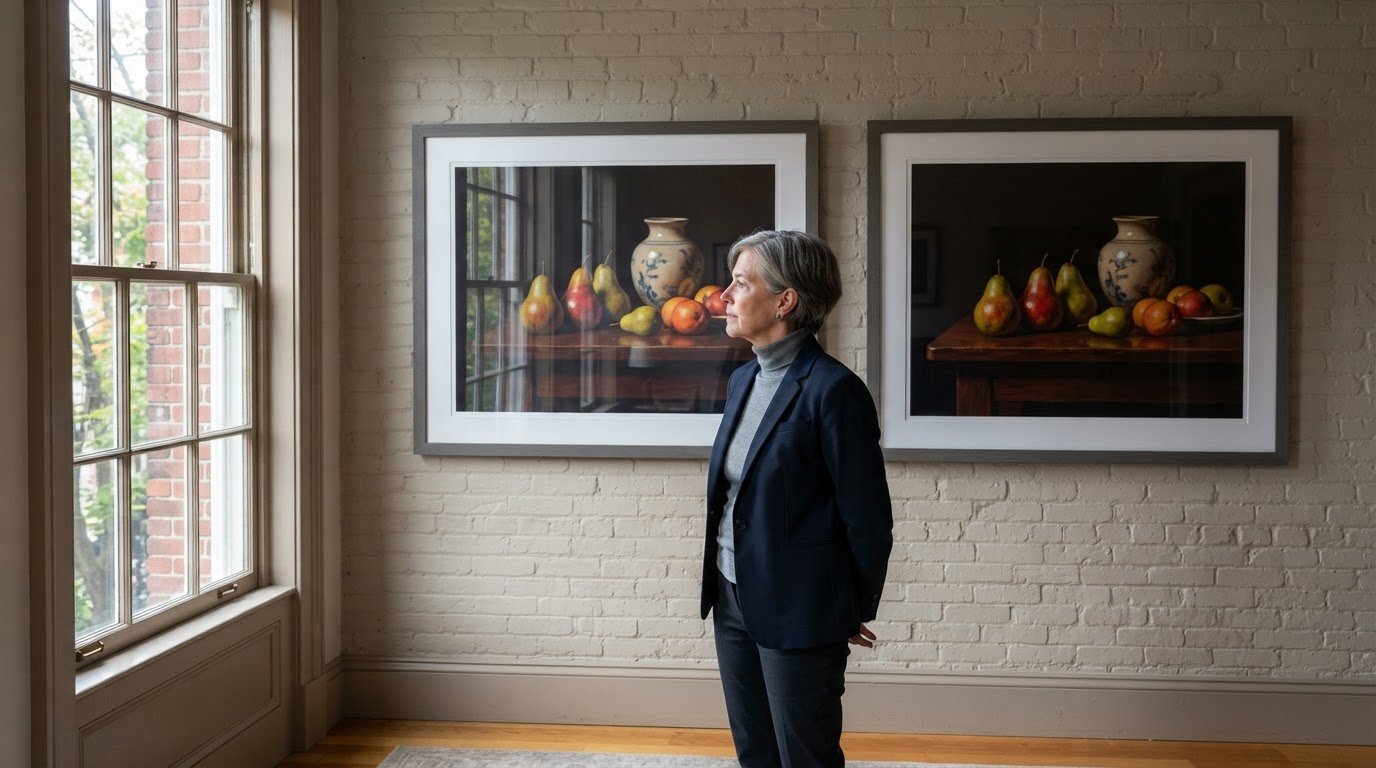
Integrating custom art framing in Methuen, MA, transforms a standard print into a high-value luxury product. The current gallery standard is the floater frame. These frames are designed with a small reveal, typically 1/8 to 1/4 inch, between the canvas edge and the interior frame lip. This creates the illusion that the artwork is suspended in space, showing 100% of the composition while protecting the corners from impact. For large-scale installations up to 60 inches wide, we utilize heavy-duty mounting hardware and reinforced corner braces to prevent structural failure. If you need assistance selecting a presentation style that matches your brand, you can view our framing options to find the perfect finish for your next exhibition.
The Local Advantage: Professional Printing in Massachusetts and New England
While national labs emphasize speed, they often lack the technical infrastructure for precise color matching. Professional canvas prints for artists require more than just a digital file upload; they demand a physical verification of the output. At our Methuen studio, we invite artists to participate in the proofing process. Seeing a physical sample under D50 lighting ensures the reproduction matches your original palette perfectly. This collaborative environment eliminates the uncertainty inherent in remote printing services, providing a steady and reliable path to gallery-ready results.
Serving the New England Art Community
We provide direct access for artists across Boston, Manchester, NH, and Newburyport. This proximity allows for a level of personalized service that national facilities cannot replicate. As a local pillar of the New England art community, we’ve spent over 30 years supporting galleries with consistent, high-volume reproduction services. We don’t just process orders; we build long-term partnerships. Our technicians take the time to learn your specific artistic style, ensuring that every print we produce maintains a consistent look and feel across your entire portfolio.
Logistical safety is a significant benefit of working locally. Transporting a large, 60-inch work via a national carrier involves substantial risk of puncture or frame warping. Local pickup at our studio removes these concerns. It allows you to maintain custody of your work, ensuring it arrives at the gallery in the same condition it left our production floor. This practical advantage is essential for maintaining the high standards required for professional fine art sales.
From Studio to Gallery: A Seamless Workflow
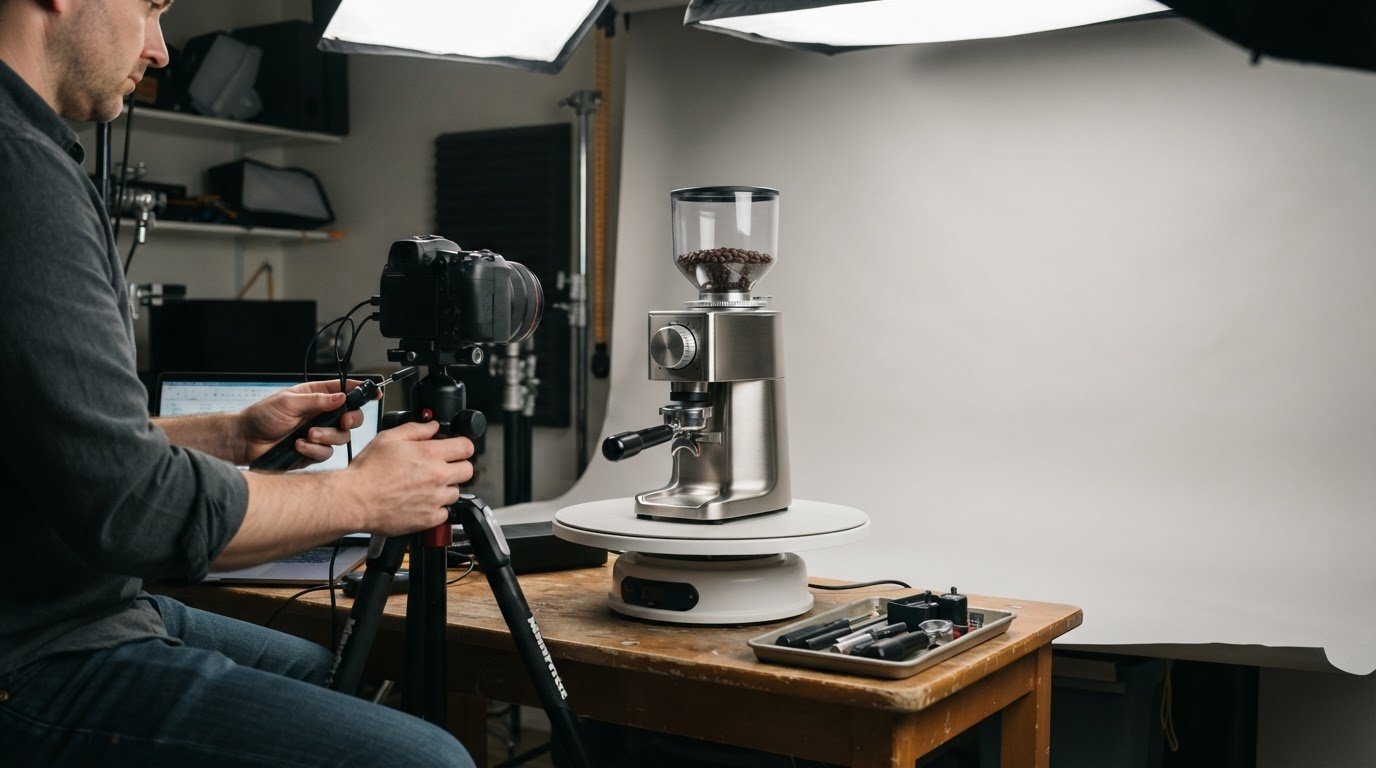
Our studio environment is designed for efficiency, housing scanning, printing, and framing under one roof. This integrated approach reduces the risk of damage during transit between different vendors and ensures technical continuity. We also offer professional commercial photography to help you document your final works for digital portfolios and exhibition catalogs. Every piece undergoes a final quality control check by a technician who understands the nuances of fine art. This second pair of expert eyes is your final insurance policy, ensuring that your work is ready for the most demanding gallery environments.
Elevating Your Art for the Professional Gallery
The transition from a physical masterpiece to a museum-grade reproduction requires a technical partnership built on precision. We’ve explored how archival Giclée standards and BetterLight scanning technology work together to preserve the soul of your work. These processes ensure that every brushstroke is captured with absolute fidelity while maintaining lightfastness for over a century. By choosing professional canvas prints for artists, you’re investing in a legacy that transcends the limitations of mass-market labs.
Our Methuen studio provides the specialized infrastructure needed for large-scale projects, including custom framing up to 60 inches wide. This integrated workflow allows you to maintain creative control from the initial scan to the final gallery-ready presentation. Whether you’re preparing for a solo exhibition or launching a limited edition series, having a dedicated technical team ensures your vision is never compromised by automated systems.
If you’re ready to transform your original paintings into enduring reproductions, we’re here to help. You can Request a Professional Fine Art Printing Consultation to discuss the specific requirements of your portfolio. We look forward to helping you share your vision with collectors across New England and beyond.
Frequently Asked Questions
What is the difference between a standard canvas print and a Giclée print?
A Giclée print is defined by its use of archival pigment inks and acid-free media, whereas standard canvas prints often use dye-based inks on synthetic polyester. Professional canvas prints for artists must meet museum standards for color gamut and longevity. We use 12-color pigment systems that provide superior depth and lightfastness. This process ensures that the reproduction remains stable for over a century; standard prints often fade or shift color within a few years.
Can you scan a large original painting that is already framed?
We can scan large original paintings, though it’s technically ideal to digitize them before they’re placed behind glass. Our BetterLight scanning system uses cross-polarization to eliminate surface glare, but glass can still create internal reflections that compromise detail. If the work is already on a stretcher bar without glazing, we can capture it with exceptional precision. We recommend bringing the work to our Methuen studio for a technical evaluation of the frame.
How wide can you print on canvas at your Methuen studio?
Our studio is equipped to produce wide-format Giclée prints up to 60 inches wide. This capability allows artists in the Boston and New England area to create large-scale installations for commercial and residential spaces. Because we handle the entire process in-house, we maintain strict quality control over these oversized works. We also provide custom stretching and framing for these large dimensions to ensure the canvas remains taut and structurally sound across its entire span.
How do I prepare my digital files if I am not using your scanning service?
If you’re providing your own files, please ensure they’re saved in a high-resolution TIFF format at 300 DPI at the final print size. We recommend using the Adobe RGB (1998) color space to preserve the widest possible gamut of colors. It’s best to avoid applying heavy compression or sharpening, as our technicians will perform a final check to optimize the file for our specific canvas ICC profiles. This ensures the most accurate translation from screen to fabric.
What kind of canvas and inks do you use for museum-quality prints?
We utilize heavyweight poly-cotton blend canvases, typically between 390 and 450 gsm, to provide the necessary tensile strength for gallery stretching. Our printing process employs aqueous-based archival pigment inks, which are micro-encapsulated to resist moisture and environmental pollutants. These materials are chosen specifically because they’re acid-free and OBA-free. This combination prevents the yellowing and brittle degradation that often occurs with lower-quality, mass-produced canvas products found in consumer labs.
Do you offer custom framing for canvas prints in-house?
Yes, we offer comprehensive custom framing services directly at our Methuen studio. This allows us to provide a seamless workflow where your art is scanned, printed, and framed under one roof. We specialize in gallery wraps and modern floater frames that highlight 100% of the printed image. By handling the framing in-house, we eliminate the risks associated with shipping prints between multiple vendors and ensure that the final product meets our rigorous gallery-quality standards.
How long do professional canvas prints last before fading?
Professional canvas prints for artists are rated to last between 100 and 200 years under standard gallery display conditions. This longevity is verified by independent testing from institutions like Wilhelm Imaging Research. To achieve this lifespan, we use pigment inks and apply a UV-inhibiting liquid laminate to the surface of the canvas. This coating protects the image from ozone attack and light damage, ensuring your work remains vibrant for multiple generations of collectors.
Can you reproduce the texture of an oil painting on a flat canvas print?
While a Giclée print is a two-dimensional surface, our BetterLight scanning captures the visual “trompe l’oeil” effect of physical texture with remarkable accuracy. The system records the subtle shadows and highlights of paint impasto and canvas weave. When printed with high-density pigment inks, these visual cues create a convincing illusion of depth. While the print remains flat to the touch, the visual representation of your brushwork is preserved with such clarity that it rivals the original.





Leave A Comment
You must be logged in to post a comment.