

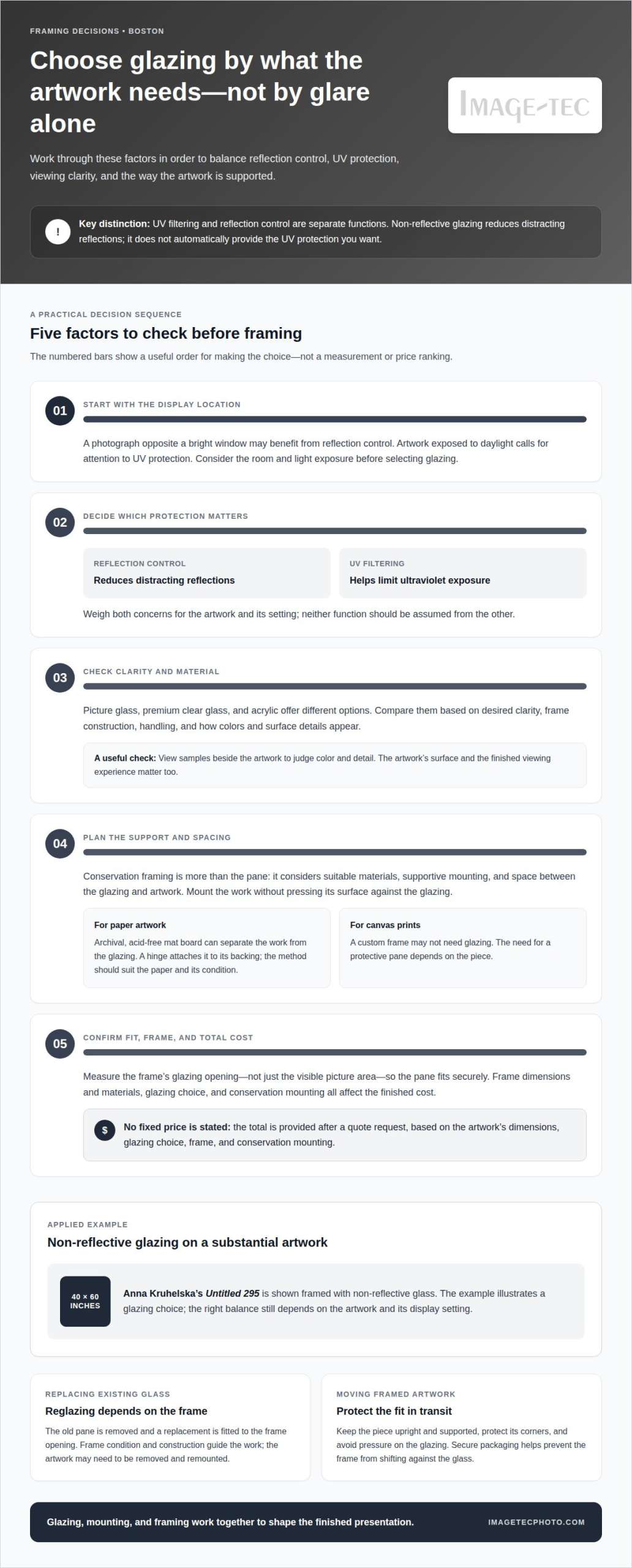
The clearest view isn’t always a matter of choosing glass with the least reflection. For non-reflective glass for framing in Boston, there’s no single fixed cost: the price depends on the artwork’s dimensions, glazing choice, frame, and conservation mounting, and is provided after a quote request.
When framing art, it’s sensible to consider more than glare. Reflection control, UV filtering, and visual clarity are distinct factors, and the right balance depends on the artwork and where it will be displayed.
This guide explains how glazing options affect framing costs and what to consider when choosing between standard and non-reflective glass. It also covers the role of conservation mounting, helping you make an informed choice for your artwork.
Key Takeaways
- Compare glazing by its individual functions: UV filtering and reflection control address different concerns, so identify which matters most for the artwork and display setting.
- Weigh glass and acrylic against the artwork’s size, handling needs, and desired viewing experience before settling on a glazing choice.
- Conservation framing depends on how the artwork is supported and separated from glazing, not just on the material covering the frame.
- Anti-reflective glazing can improve the view of artwork in reflective settings; clarity and the finished presentation still matter when choosing an option.
Glazing choices for artwork and framing budgets
For artwork in Boston, non-reflective glass for framing can reduce distracting reflections, but it’s only one part of the finished presentation. Compare glazing for reflection control, UV filtering, and clarity, and consider how the artwork will be mounted. The frame’s dimensions and materials also affect the total cost, which is provided after a quote request.
How do you choose glazing for artwork or photographs? Start with the display location, then decide whether reducing glare or filtering UV light matters more. A photograph opposite a bright window may benefit from reflection control, while artwork exposed to daylight calls for attention to UV protection. These are separate glazing considerations, so don’t assume non-reflective glass alone provides the UV protection you want.
Framed examples show that non-reflective glazing can be used for substantial artwork: Anna Kruhelska’s Untitled 295 measures 40 x 60 inches and is framed with non-reflective glass. For custom-cut glazing in Boston, work through a framing professional who can size the pane to the frame and artwork. Measure the frame’s glazing opening, not just the visible picture area, because the glass must fit securely within the frame.
Can a Boston framing shop replace existing frame glass with non-reflective glass? Yes. Reglazing involves removing the old pane and fitting a replacement sized for the frame opening. The frame’s condition and construction guide the work, and the artwork may need to be removed and remounted. Choose a mounting and hinging method suited to the artwork, rather than pressing it against the glazing.
Transport and delivery also affect the finished result. Keep framed artwork upright and supported during a move, protect its corners, and avoid putting pressure on the glazing. For a piece traveling through Boston, secure packaging helps prevent the frame from shifting against the glass before it reaches its destination.
UV-filtering and non-reflective glass and acrylic glazing
UV filtering and reflection control address different concerns, so assess both before choosing glazing. For photographs, paper artwork, and canvas, consider the display environment, the artwork’s surface, and the mounting alongside the viewing effect you want.
With valuable artwork, one risk is choosing non-reflective glazing for appearance while overlooking UV exposure or the spacing between the artwork and pane. Glazing can also affect how colors and surface details appear, so compare its visual effect with the piece before framing.
UV-Filtering Conservation Glazing
UV-filtering conservation glazing helps limit exposure to ultraviolet light, while non-reflective glazing reduces distracting reflections. These functions aren’t interchangeable. For a photograph displayed near a bright window, weigh both light exposure and glare. For paper artwork, consider its surface and condition. The right choice depends on preservation needs as well as the desired view.
Glass and Acrylic Glazing Options
Picture glass, premium clear glass, and acrylic offer different framing options. Compare them based on the clarity you want, the frame’s construction, and how the finished piece will be handled. A custom frame for a canvas print may not need glazing, while a photograph or paper artwork may benefit from a protective pane. View samples beside the artwork to judge color and detail.
Preservation Framing Guidance
Conservation framing considers the glazing together with archival materials, mounting, and the space between the pane and artwork. A framer can select a suitable combination based on the object’s medium and condition, then mount it without pressing the surface against the glazing. For a canvas print, custom framing brings the frame and presentation choices together; glazing needs depend on the piece.
Conservation framing materials and mounting
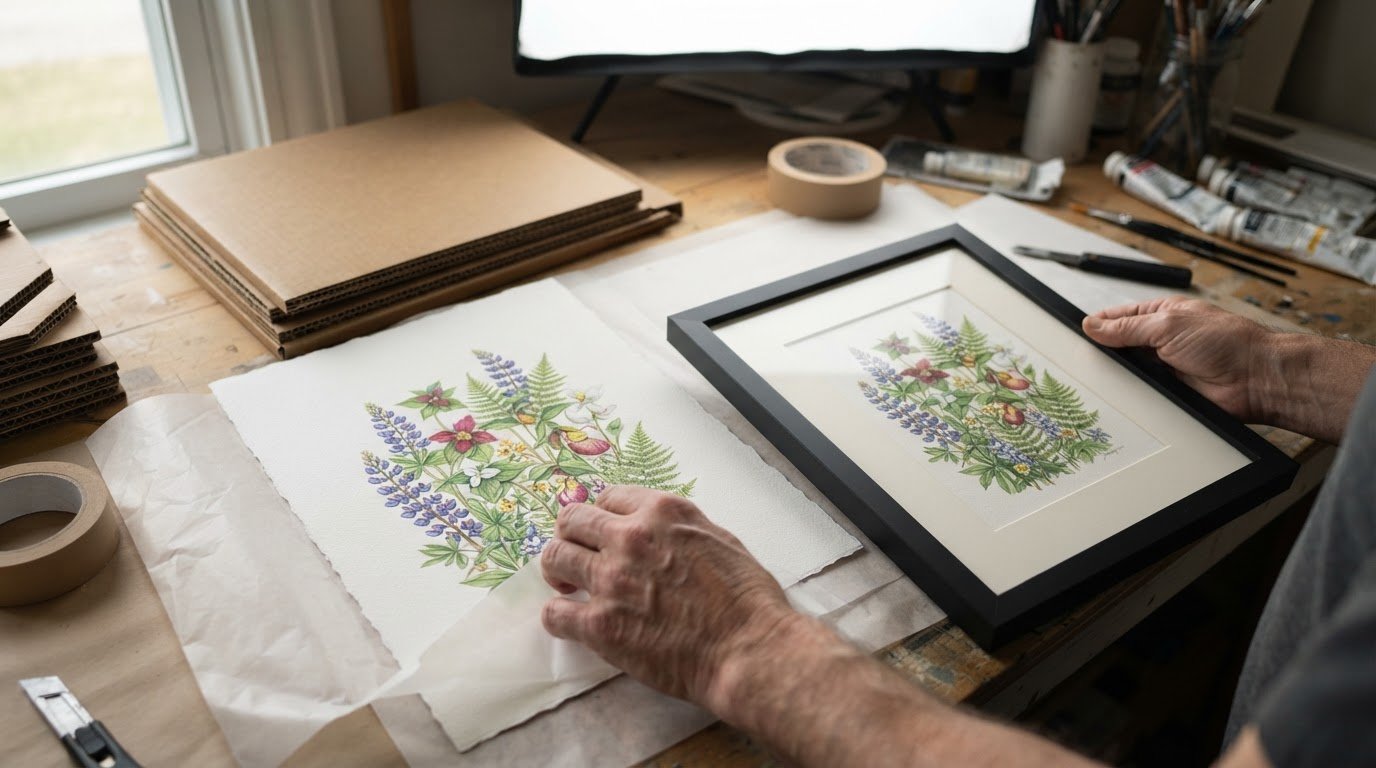
Conservation framing brings together suitable materials, supportive mounting, and a considered display plan. For a photograph, the framer considers its paper, condition, and intended location before selecting backing and hinges. The aim is to support the work without creating avoidable stress. Glazing choice matters, but it can’t replace careful mounting or appropriate materials.
Archival, acid-free mat board can separate paper artwork from the glazing and create a clean visual border. A hinge attaches the work to its backing while allowing it to hang securely. The attachment method should suit the paper and its condition. Avoid treating every picture alike: a sturdy print and a fragile photograph may need different handling.
For conservation-grade display, assess the artwork before closing the frame. Check that the mount supports the piece, the backing sits evenly, and the glazing doesn’t press against the artwork. A loose or uneven fit can shift during handling. Artwork intended for a bright room also needs a considered choice of glazing and placement, since mounting alone doesn’t address light exposure.
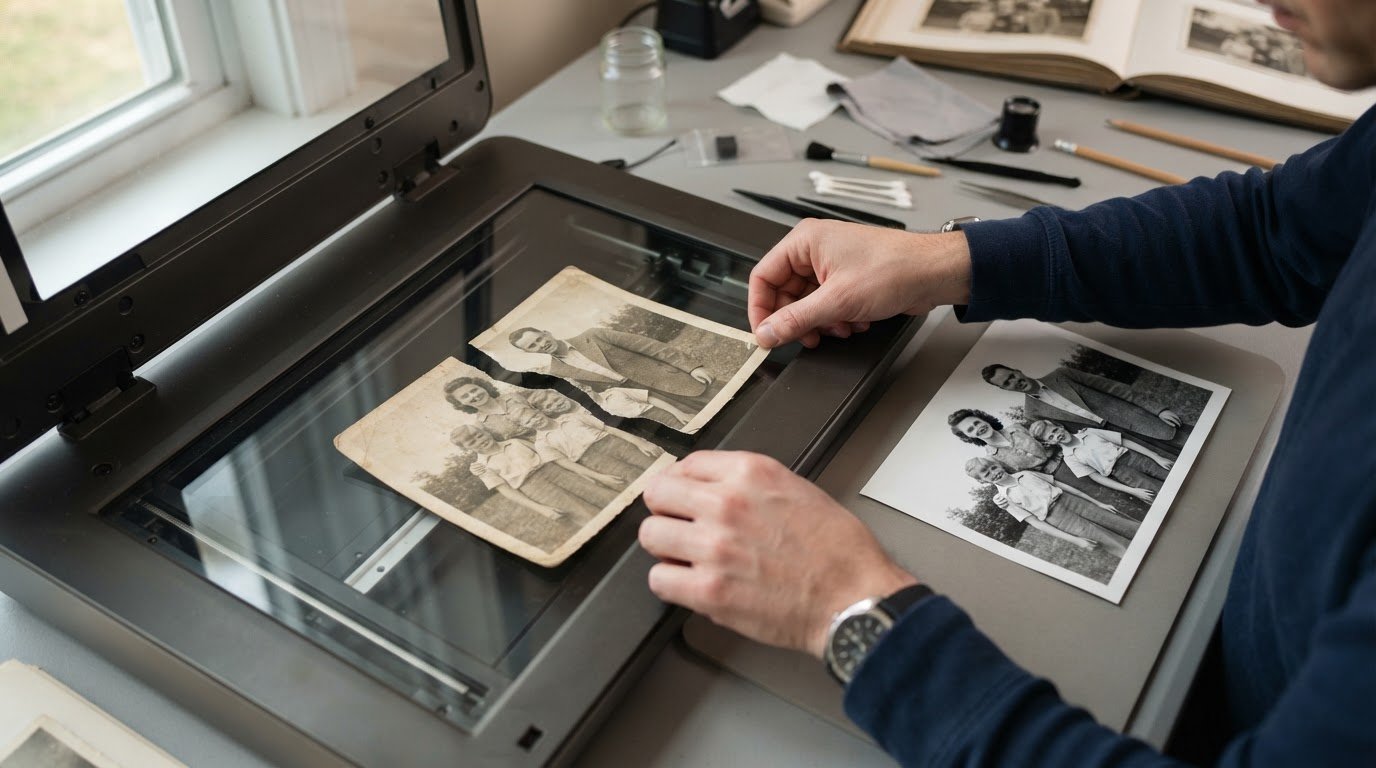
An art conservation consultation can clarify the work’s materials, condition, and treatment priorities. For example, a photograph with tears or surface damage may need restoration planning before framing. A consultation can distinguish presentation decisions from conservation treatment and set a sensible sequence: assess the artwork, address its condition, then plan mounting and display.
For custom projects, keep the artwork’s details central: medium, dimensions, condition, and display location. Share any known history of previous repairs or mounting, since old adhesives or pressure marks can affect handling. A conservator or framing professional can use those details to select a suitable support and explain how the finished frame will hold the work without obscuring its edges.
Museum Glass clarity and anti-reflective properties
Boston custom framing shops that offer anti-reflective or museum glazing can explain how each option affects presentation. Ask to view a sample beside the artwork, then compare reflections, clarity, and visible surface detail.
Clarity and Anti-Reflective Performance
Museum Glass reduces reflections to make artwork easier to view through glazing. Compare a sample over a photograph or print under the lighting planned for its display, since glare changes with the room and viewing angle. Check whether fine lines, color transitions, and surface details remain clear. Anti-reflective performance supports viewing, but doesn’t replace suitable mounting or preservation choices.
Coatings and Surface Durability
Anti-reflective properties come from surface coatings, so handling and cleaning matter. Dust the frame first, then follow the glazing maker’s cleaning directions with a soft, clean cloth. Avoid abrasive materials that could mark the coated surface. Ask how to handle the glazing during installation, especially with large framed pieces that need careful lifting and secure support.
At the WCAF Expo, described as the largest gathering for art and picture-framing professionals in the United States, Museum Glass is part of a broader discussion about glazing and presentation. The practical choice remains specific to each artwork: compare the view through the glass, the intended display, and how the finished piece will be handled.
Museum-quality framing pairs glazing with appropriate mounting and backing rather than relying on the pane alone. For a photograph, inspect the mat border and confirm the artwork sits evenly behind the glazing. For an artist’s print, consider how reflections affect the view from the room’s main approach. These checks help balance clarity with preservation needs.
To develop a framed presentation for artwork or prints, plan a custom-framing project around the piece’s display and viewing conditions.
Image-Tec: Giclee Printing Canvas prints up to 60″ wide & custom Framing
Image-Tec brings Giclée canvas printing and custom framing together for artwork that needs a considered finish. Whether you’re preparing a print or planning a frame for existing artwork, key decisions include the piece’s dimensions, intended display, and how glazing affects its presentation.
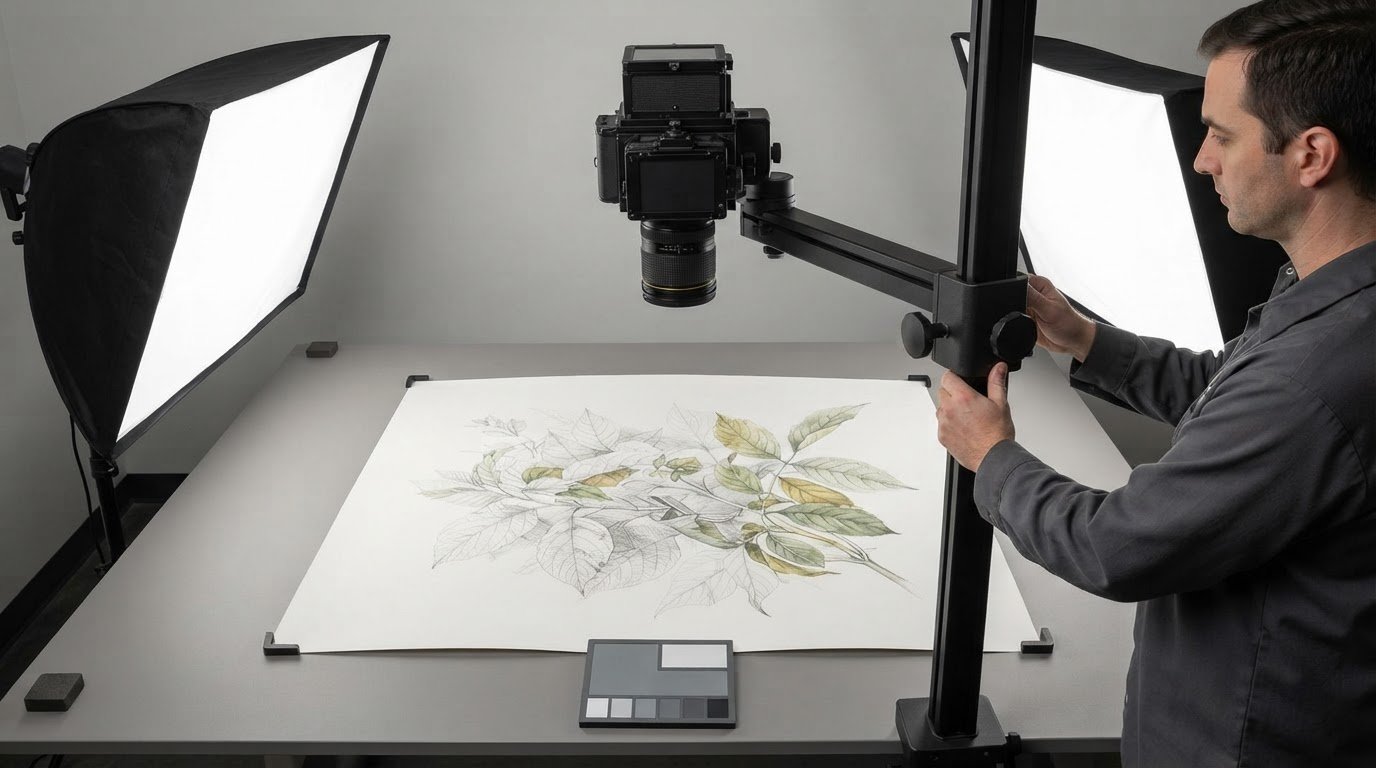
Image-Tec produces canvas and fine art prints up to 60 inches wide, with custom framing to complete the work. BetterLight scanning is also available for precise digital capture, useful when a physical original needs to be reproduced as a fine art print. The framing discussion can focus on the artwork and its intended setting, including the balance between reflection control, clarity, and conservation priorities.
Planning a print or framing project? Contact Image-Tec to discuss the artwork and its presentation.
Make the glazing choice part of the finished presentation
Before framing, consider how the artwork should look in its display setting. Incoming light, nearby windows, and the room’s viewing position all shape what you see through the glazing. For non-reflective glass for framing in Boston, assess the artwork and its surroundings together rather than treating reflection control as an isolated upgrade.
A useful next step is to bring the frame dimensions, artwork medium, and display plans into one conversation. This gives the project a clear direction, whether you’re completing a new piece or improving the presentation of existing artwork. Image-Tec also offers commercial photography alongside its printing and framing services.
For guidance on a framing project, contact Image-Tec about framing. A considered plan can help your artwork feel at home in its intended setting.
Frequently Asked Questions
What types of non-reflective glass are available for picture framing?
Picture-framing options include non-glare glass, anti-reflective glass, and acrylic glazing with glare-reducing properties. Labels can describe different finishes and performance, so compare samples rather than relying on the name alone. Consider the picture’s size, surface, and display location. A work opposite a bright window, for example, may call for a different choice than one in a softly lit hallway.
What is the difference between non-glare glass and anti-reflective glass for framing?
Non-glare glass typically diffuses reflected light, while anti-reflective glass is designed to minimize reflections while preserving a clearer view. The difference is most noticeable with detailed artwork or photographs under direct lighting. Compare a sample from your usual viewing position: check whether the surface looks softened, reflections remain distracting, and fine details show clearly.
How much does non-reflective framing glass cost in Boston?
The price depends on the project and is provided after a quote request. Cost factors include glazing type, pane dimensions, frame construction, and whether existing framing needs adapting. A small picture and a large framed artwork have different material requirements. For a useful estimate, provide the frame’s glazing opening and describe the artwork and its intended display.
How does non-reflective glass affect image clarity, color, and sharpness?
Non-reflective glazing can make artwork easier to see by reducing visible reflections, but its surface treatment may affect image sharpness. The result depends on the glazing and viewing conditions. Assess a detailed photograph through a sample, checking fine edges and color transitions. Compare it from the distance and angle at which people will usually view the framed piece.
Does non-reflective framing glass provide UV protection?
Not necessarily. Reflection control and UV filtering are separate glazing properties, so don’t assume non-reflective glass alone protects artwork from ultraviolet exposure. If light protection is a priority, choose glazing specifically described as UV-filtering. Also consider placement: keeping a framed photograph away from direct sunlight can reduce exposure that glazing alone may not address.







Leave A Comment
You must be logged in to post a comment.