
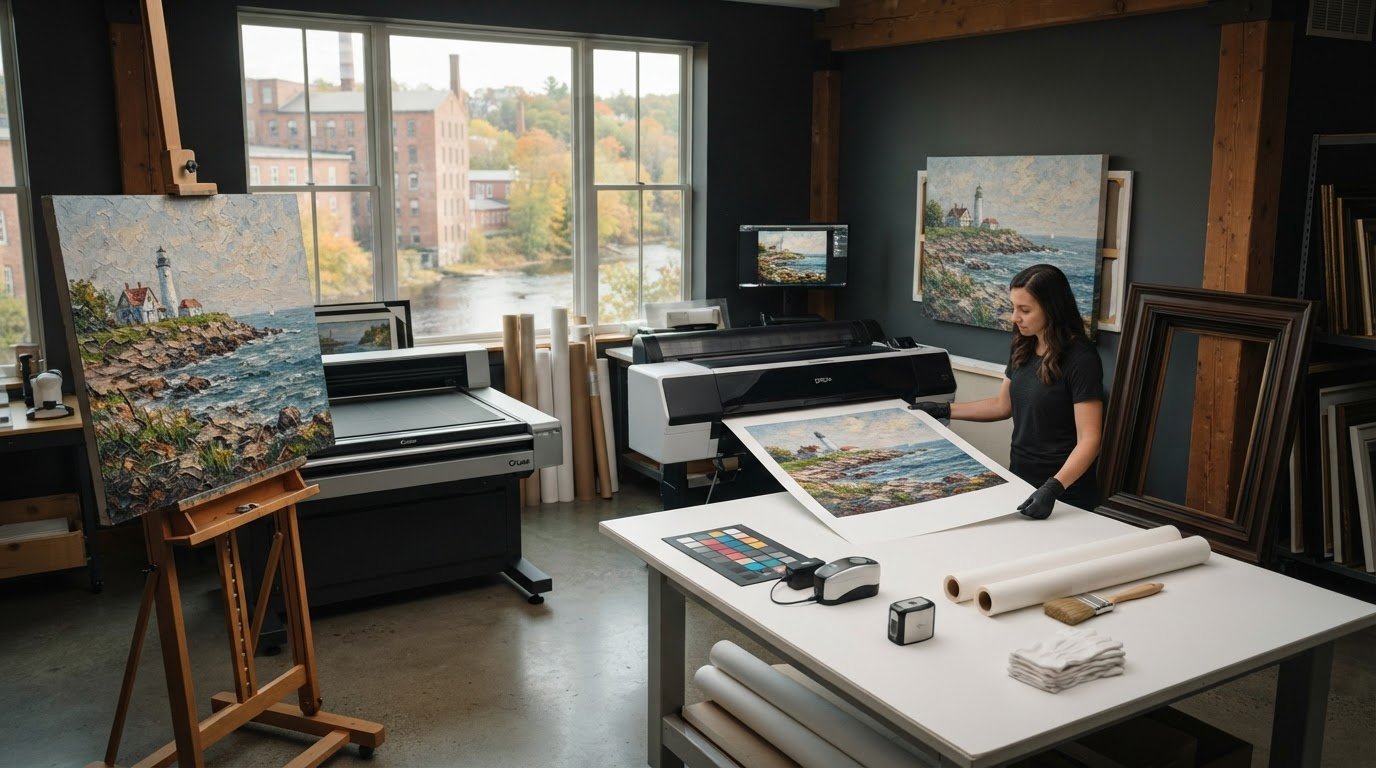
What makes a fine art print feel true to the original isn’t size alone, but how well its detail and color character carry through each production step. Finding an art reproduction studio New England artists can reach is an important start, especially when scanning, printing, and framing all need to work together.
It’s natural to worry that a reproduction might flatten subtle tones or lose the marks that give an artwork its character. A successful project matches each step to the original and the print’s intended use. This article explains how professional reproduction moves from artwork capture to finished print, what to expect from a regional studio, and how Image-Tec can support the process.
Based in Methuen, Massachusetts, Image-Tec brings BetterLight scanning, Giclée printing, canvas and fine art prints up to 60 inches wide, and custom framing together under one roof. We’ll look at how these capabilities relate to different artwork projects, what choices shape the result, and how a clear, considered workflow can help preserve the qualities that matter in the original.
Key Takeaways
- Understand how a specialized art reproduction studio New England artists can work with differs from a general print shop.
- Follow the main stages of reproduction, from assessing the artwork and capturing its image to preparing and producing a print.
- Match your project goal with the relevant service, whether that means artwork capture, fine art printing, restoration, or custom framing.
- Prepare useful project details in advance, including the artwork’s dimensions, intended print use, and preferred finished size.
- See how Image-Tec’s Methuen studio brings BetterLight scanning, fine art and canvas printing, framing, and historical image restoration together.
What an Art Reproduction Studio in New England Does for Artists
Professional art reproduction is the careful capture of an original artwork and the production of prints from that image, with the process shaped by the artwork and the print’s intended use. It connects image capture with print production, rather than treating the job as simply putting a file on paper. For a Giclée print, for example, an artwork is represented digitally and printed with an inkjet process; Giclée print offers more background on the term.
That focus distinguishes an art reproduction studio from a general print shop, which may primarily produce materials from supplied files, and from an arts education center, where the emphasis is classes, exhibitions, or events. A reproduction project considers how the original is captured and what kind of print will serve the client’s purpose. Image-Tec brings BetterLight scanning together with Giclée printing, fine art and canvas prints, custom framing, and historical image restoration.
The original remains the original. Reproduction creates prints based on its captured image, helping artists share their work in print and allowing galleries or organizations to prepare visual materials without substituting a print for the source artwork.
Which artwork and client projects can benefit from reproduction?
Artists may reproduce paintings or drawings to create print editions; galleries may prepare prints for a display or other presentation; collectors and organizations may seek a captured image and prints to support access to artwork. Paintings, drawings, and other flat artwork each bring their own visual qualities. The artwork itself and its intended use help determine the appropriate capture and production approach, including the desired print size and presentation.
How a New England studio fits into a regional project
Image-Tec is based in Methuen, Massachusetts, placing an art reproduction studio New England artists and organizations can consider within the region. Methuen offers a useful geographic reference for readers in Boston and Newburyport, as well as nearby Manchester, New Hampshire. Whether the project involves an artist preparing prints or an organization reproducing artwork for display, the regional studio can bring capture and print production into one considered workflow.
From Original Artwork to Giclée Print: How Reproduction Works
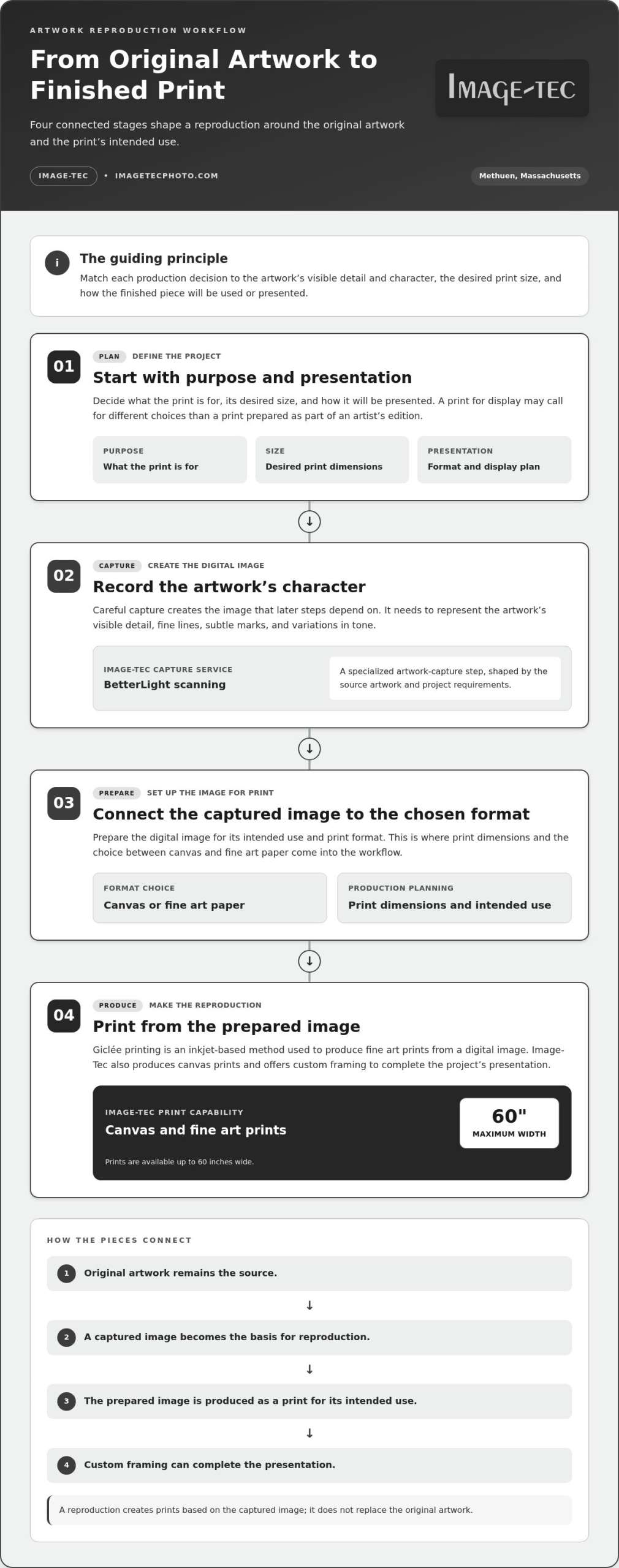
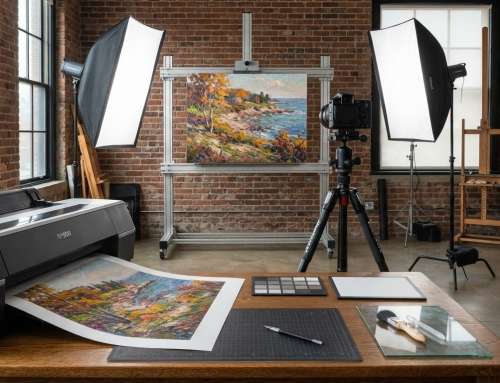
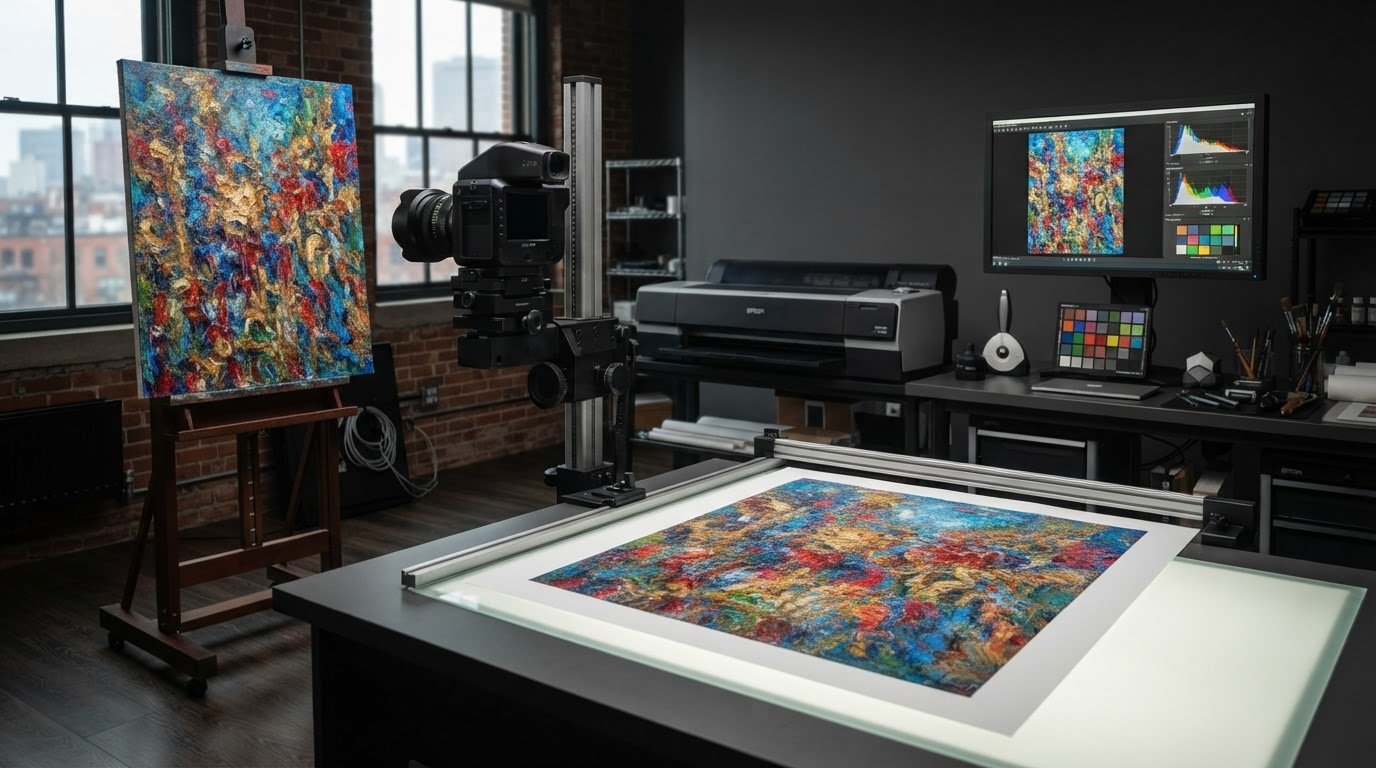
A well-planned reproduction follows a clear sequence. The artwork’s characteristics and the intended use guide decisions from capture through print production. At Image-Tec, BetterLight scanning provides a specialized way to capture artwork, followed by image preparation and Giclée printing or another suitable fine art print format.
- Define the project. Consider what the print is for, its desired size, and how it will be presented. A print intended for display may call for different choices than one prepared as part of an artist’s edition.
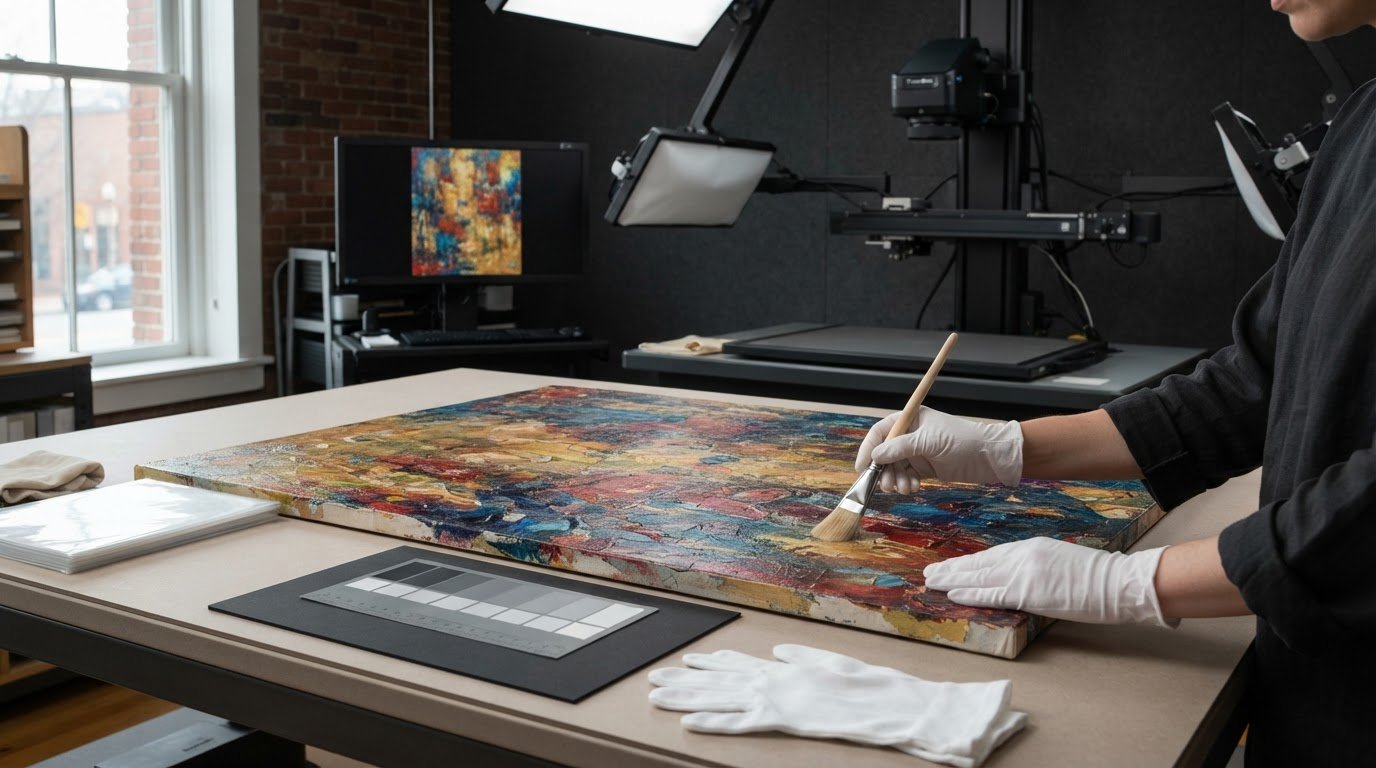
- Capture the artwork. Create a digital image of the original. Careful capture is foundational: the image needs to represent the artwork’s visible detail and character.
- Prepare the image. Set up the captured image for the intended print format and use. This stage connects the digital file to decisions such as print dimensions and whether the finished piece will be on canvas or fine art paper.
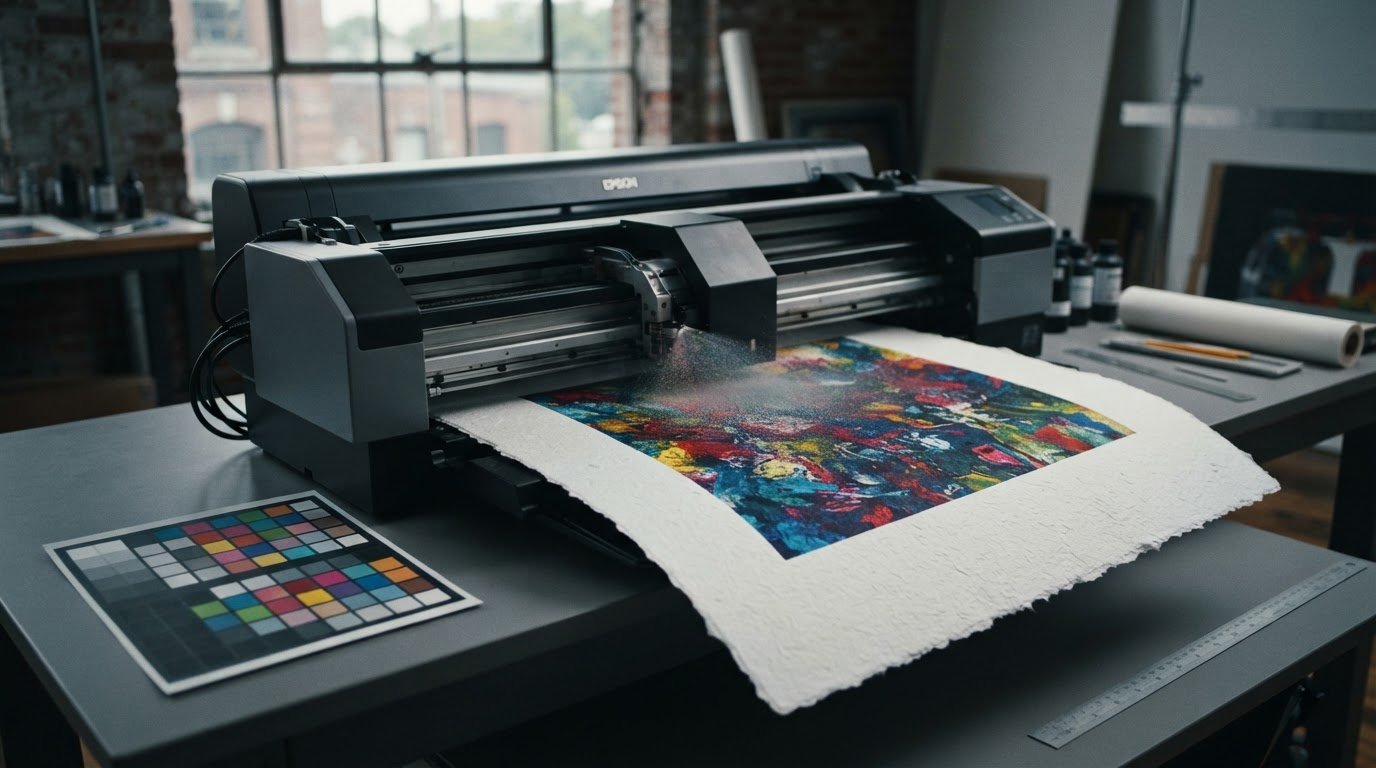
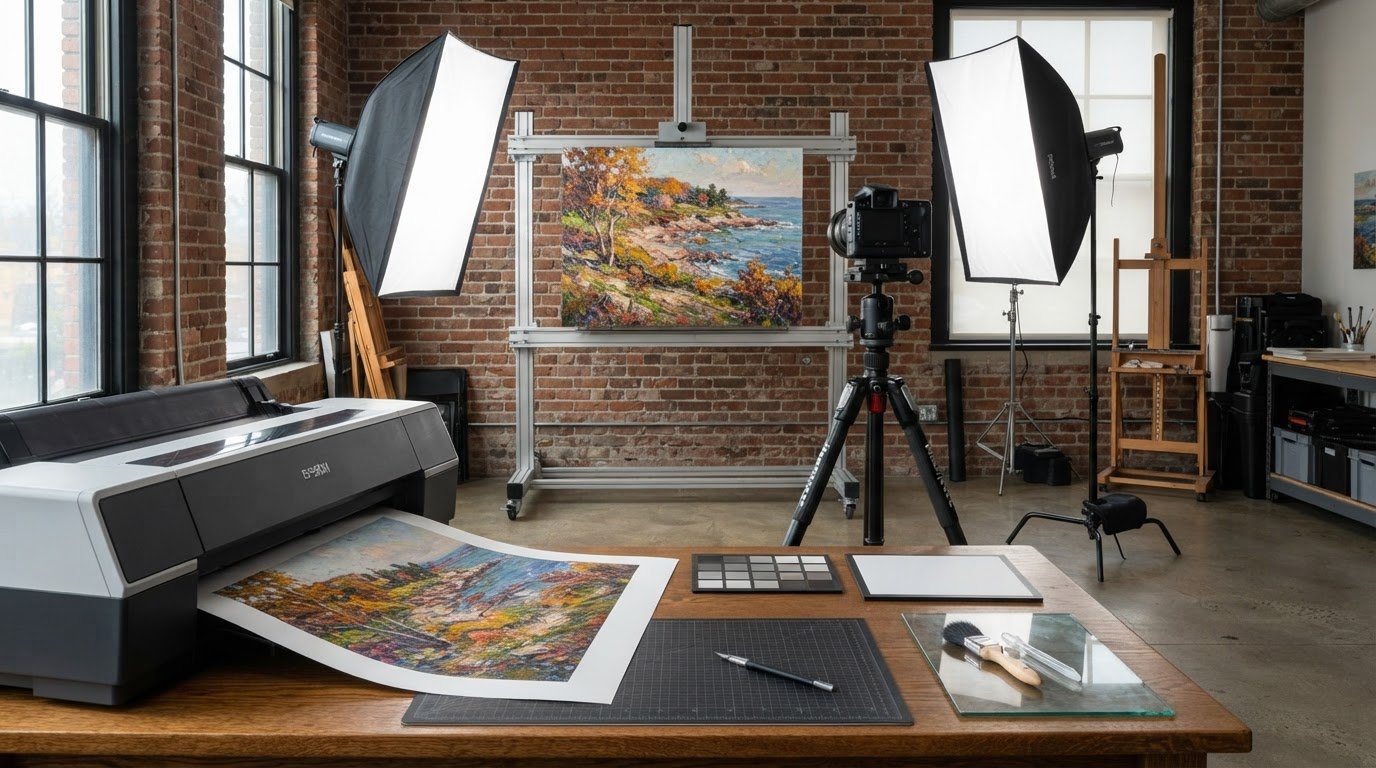
- Produce the print. Use the prepared image to make the reproduction. Image-Tec offers Giclée printing and produces canvas and fine art prints up to 60 inches wide.
Capturing artwork with BetterLight scanning
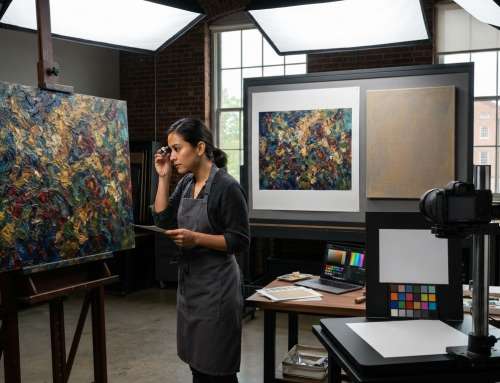
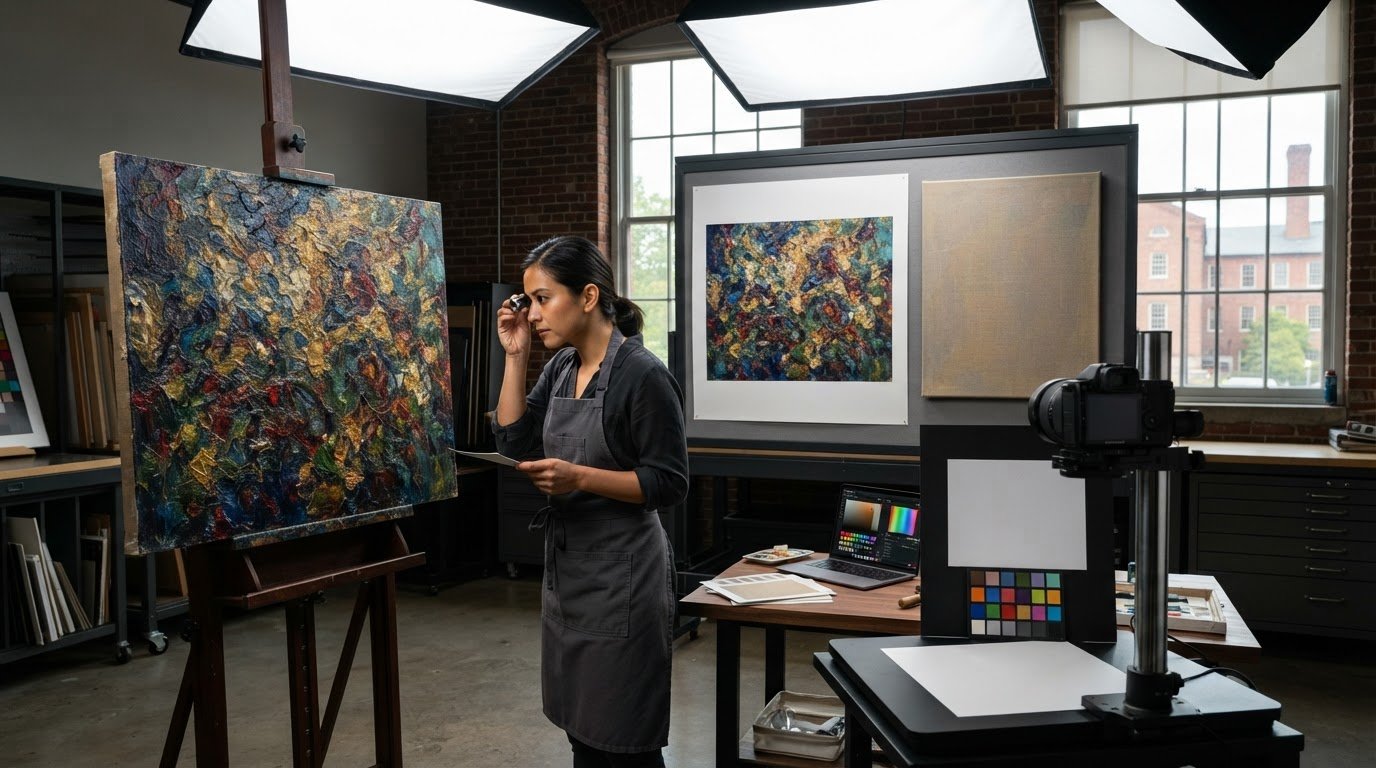
Capture establishes the image that later steps depend on. Fine lines, subtle marks, and variations in tone are part of what makes an original distinctive, so a reproduction project begins with a considered approach to recording those qualities. BetterLight scanning is Image-Tec’s specialized artwork-capture service. The process aims to represent the source carefully, while the final result depends on the original and the project’s requirements. For more technical background, see the related BetterLight art-scanning article.
Preparing and producing the reproduction print
Once captured, the image is prepared for the selected print format and intended use. Giclée printing is an inkjet-based method used to produce fine art prints from a digital image. For background on digital print production, consult this reference on digital image production. The art reproduction studio New England artists choose should account for both the original’s visual character and the print’s purpose. Image-Tec connects artwork capture with fine art and canvas printing, and custom framing can complete the project’s presentation.
For a closer look at how these services fit together, explore Image-Tec’s art reproduction services.
Choosing Art Reproduction Services: Capture, Printing, Restoration, or Framing?
The right service depends on what you want to accomplish. A digital image, a physical print, a finished presentation, and work on an aged photograph are different project goals. An art reproduction studio New England artists can use may bring several of these steps together, but reproduction itself means making a print from a captured image. It doesn’t replace, alter, or take the place of the original artwork.
| Project goal | Relevant service | What it does |
|---|---|---|
| Create a digital image of an original | BetterLight scanning | Captures artwork as the starting point for a digital file or reproduction project. |
| Make physical copies for display or an edition | Giclée and fine art printing | Produces prints from a captured image on a selected print format. |
| Complete the presentation of a print | Custom framing | Adds a finished framed presentation to the print project. |
| Address an aged or damaged historical image | Historical image restoration | Focuses on the image itself, rather than producing a print from an artwork capture. |
When does a project need artwork scanning or reproduction?
Choose artwork capture when you need a digital image of a painting, drawing, or other flat artwork. If the goal is to make physical copies, capture is the foundation for reproduction and printing. The intended use helps shape the result: an artist preparing prints for an edition may have different size and presentation needs from a gallery preparing artwork for display or an organization preserving a visual record. Image-Tec’s broader art reproduction work brings capture and print production into the same project path.
BetterLight scanning supports artwork capture; fine art printing turns the resulting image into a physical reproduction. In either case, the print is a separate object based on the original, not a replacement for it.
When might printing, framing, or restoration be relevant?
Printing is relevant when you want a physical reproduction. Custom framing can finish a print for presentation, while historical image restoration addresses an aged or damaged image as a distinct task. Restoration and reproduction shouldn’t be confused: one works with an image’s condition, while the other creates prints from captured artwork. The result of restoration depends on the image and its needs, so avoid assuming that every mark or area can be returned to a particular state. For a general reference on restoration, see this image restoration reference.
Preparing Artwork for a Reproduction Project in Massachusetts
A little project planning helps clarify which parts of reproduction matter most, from capturing the original to choosing a print format. Artists, collectors, galleries, and organizations across Massachusetts and nearby New England can use the checklist below to describe their goals clearly to an art reproduction studio New England clients can work with.
What to organize before reproducing original artwork
- Artwork type and medium: Note whether the original is a painting, drawing, or another kind of flat artwork, and identify its medium if known.
- Approximate dimensions: Record the artwork’s height and width. These help frame conversations about capture and possible print scale.
- Current condition: Describe any visible wear or damage that may affect the project. This helps distinguish a reproduction request from a need for historical image restoration.
- Intended use: Identify whether the print is for display, an artist edition, or an organization’s use. The purpose can inform the desired format and presentation.
- Print and finishing preferences: Consider whether you’re interested in a canvas or fine art print and whether custom framing is part of the project.
This information is a starting point, not a promise that every artwork will be handled identically. The capture and production approach depends on the original and the project’s specific requirements. Image-Tec offers BetterLight scanning, Giclée printing, fine art and canvas prints, and custom framing, while details such as preferred format and presentation are shaped by the work being reproduced.
How intended use can guide production choices
A print intended for display may call for a particular size and finished presentation. An artist edition may involve planning around a consistent format, while an organization reproducing artwork may prioritize how prints will be used in its setting. In each case, describing the purpose early gives the project a clearer direction without assuming a specific result.
Scale matters, too. Image-Tec produces canvas and fine art prints up to 60 inches wide. Record the approximate size you have in mind and how the print will be displayed; this helps place the desired scale in context. For larger-format projects, think about the artwork’s proportions and the space where the print is intended to appear. These considerations help shape the conversation without requiring you to make technical decisions in advance.
With your artwork details and project goals organized, explore Image-Tec’s art reproduction services to see how scanning, printing, and framing can fit together.
Work with Image-Tec, a New England Art Reproduction Studio
Turning an original into a print involves decisions about capture, format, scale, and presentation. Image-Tec brings these parts of an artwork project together at its studio in Methuen, Massachusetts. For artists, galleries, and organizations seeking an art reproduction studio New England can call on, that combination offers a clear starting point for planning a project around the artwork and its intended use.
A connected set of services for artwork projects
BetterLight scanning captures artwork as the foundation for a reproduction. From there, Giclée printing can produce fine art prints, while canvas printing offers another physical format. Image-Tec produces canvas and fine art prints up to 60 inches wide. If the finished print is intended for a framed presentation, custom framing can be part of the project as well.
Historical image restoration serves a different purpose. It focuses on an aged or damaged image, while reproduction creates prints from a captured image of artwork. The right starting point depends on what you want to accomplish: make a print, prepare a framed piece, or address the condition of a historical image. Keeping those goals distinct helps shape a practical project plan without assuming a particular restoration outcome.
Start an art reproduction conversation in New England
Image-Tec’s Methuen location is a regional anchor for artists, galleries, and organizations in Massachusetts and the surrounding New England area. It’s a useful point of reference for people near Boston and Newburyport, as well as Manchester, New Hampshire. No matter where a project begins, a clear description of the artwork and desired result helps set the conversation on solid ground.
To begin, outline the artwork’s general format, such as a painting or drawing, its approximate dimensions, how you intend to use the print, and the scale you have in mind. You can also note whether you’re considering canvas or fine art printing and whether custom framing is part of the plan. These basics help connect the project goal to the relevant capture and production services.
Ready to discuss your artwork and intended result? Discuss your art reproduction project with Image-Tec.
Bring Your Artwork into a Carefully Made Print
A thoughtful reproduction starts with the artwork and what you want the finished print to do. Capture, print format, scale, and framing each shape the project, while historical image restoration addresses a different need from producing prints. Keeping those goals clear helps you plan the right sequence of services.
Image-Tec brings BetterLight scanning and Giclée printing together at its Methuen, Massachusetts studio, serving artists, galleries, and organizations across the New England region. Canvas and fine art prints are available up to 60 inches wide, with custom framing as a finishing option. For anyone seeking an art reproduction studio New England can call on, these connected capabilities offer a practical path from original artwork to print.
Start with the artwork’s general format, its intended use, and the print scale you have in mind. Then discuss your art reproduction project with Image-Tec. With a clear goal and a considered process, your original can reach a wider audience while retaining the qualities that make it distinct.
Frequently Asked Questions
What does an art reproduction studio do?
An art reproduction studio captures original artwork digitally and produces prints from that image. At an art reproduction studio New England artists can use, services may connect artwork capture with fine art or canvas printing and custom framing. Image-Tec offers BetterLight scanning, Giclée printing, fine art and canvas prints, and framing. The artwork’s medium, intended use, and desired print format help shape the project.
How do artists reproduce original artwork as a print?
Artists generally begin by identifying the artwork and deciding how they want to use the print. The original is digitally captured, the image is prepared for production, and a print is made in the selected format. Image-Tec offers BetterLight scanning and Giclée printing, bringing capture and print production into an artwork reproduction project. Print size and format depend on the original and the intended result.
What is BetterLight scanning for artwork?
BetterLight scanning is a specialized way to create a digital capture of artwork for reproduction. That image can serve as the starting point for producing prints, depending on the project’s needs. Image-Tec offers BetterLight scanning as part of its art reproduction services. The artwork and its intended use inform the capture approach, so specific details such as resolution or color accuracy shouldn’t be assumed without project information.
Can a reproduction studio print artwork on canvas?
Yes, artwork can be reproduced as a canvas print when the project is suited to that format. Image-Tec produces canvas prints up to 60 inches wide, as well as fine art prints. The intended display and desired scale help guide format choices. If you want a finished framed presentation, custom framing is also available as a related service for the print project.
How do I prepare original artwork for reproduction?
Start by noting the artwork’s medium, approximate dimensions, and current condition, then consider how you intend to use the reproduction. Decide whether you’re interested in a fine art print or canvas print, and whether framing is part of the plan. These details give the studio a useful project overview. Avoid altering the original for capture without guidance specific to the artwork and reproduction project.
Where can I find an art reproduction studio near Boston?
Image-Tec is based in Methuen, Massachusetts, and serves a regional audience that includes Boston, Newburyport, and Manchester, New Hampshire. The studio offers BetterLight scanning, Giclée printing, canvas and fine art prints, custom framing, and historical image restoration. To start a project conversation, outline the artwork’s general format and intended result, including whether you’re considering a print and the scale you have in mind.
What is the difference between art reproduction and historical image restoration?
Art reproduction creates a digital capture and produces prints based on artwork, while historical image restoration focuses on an aged or damaged image. The services address different goals: making a print from captured artwork versus working on an image’s condition. Image-Tec offers both art reproduction services and historical image restoration. The artwork and the result you’re seeking help determine which service is relevant to your project.


Leave A Comment
You must be logged in to post a comment.