
A single low-resolution image can dismantle a premium brand’s reputation the moment it’s scaled for a billboard or a large-format menu board. When searching for a food photography studio Massachusetts, you likely recognize the frustration of inconsistent lighting or the logistical headache of coordinating a complex shoot without the right technical support. It’s clear that high-end culinary branding demands more than just a creative eye; it requires a sophisticated infrastructure built for precision and scale.
This article explores how professional commercial imaging transforms culinary presentations into mouth-watering assets that drive sales. We’ll examine the role of technical tools like BetterLight scanning for capturing intricate textures, the importance of large-format readiness for 2026 marketing channels, and the seamless workflow that eliminates the stress of DIY production. You’ll discover how a methodical approach to studio photography ensures your imagery remains sharp, authentic, and effective across every digital and physical platform. By focusing on technical excellence, we help you transition from simple digital snapshots to enduring commercial assets.
Key Takeaways
- Understand the technical advantages of high-resolution digital backs and BetterLight scanning for capturing the intricate textures of culinary subjects.
- Learn how a specialized food photography studio Massachusetts provides the controlled lighting and technical precision necessary for large-format billboards and menus.
- Evaluate the logistical benefits of studio-based sessions versus on-location shoots to determine the most cost-effective and visually consistent approach for your brand.
- Discover a professional workflow for coordinating with food stylists and prop masters to ensure every frame aligns with your commercial marketing goals.
- Recognize the value of a full-service partner that combines commercial imaging with expert Giclée printing for high-end physical displays up to 60 inches wide.
Selecting a Food Photography Studio in Massachusetts
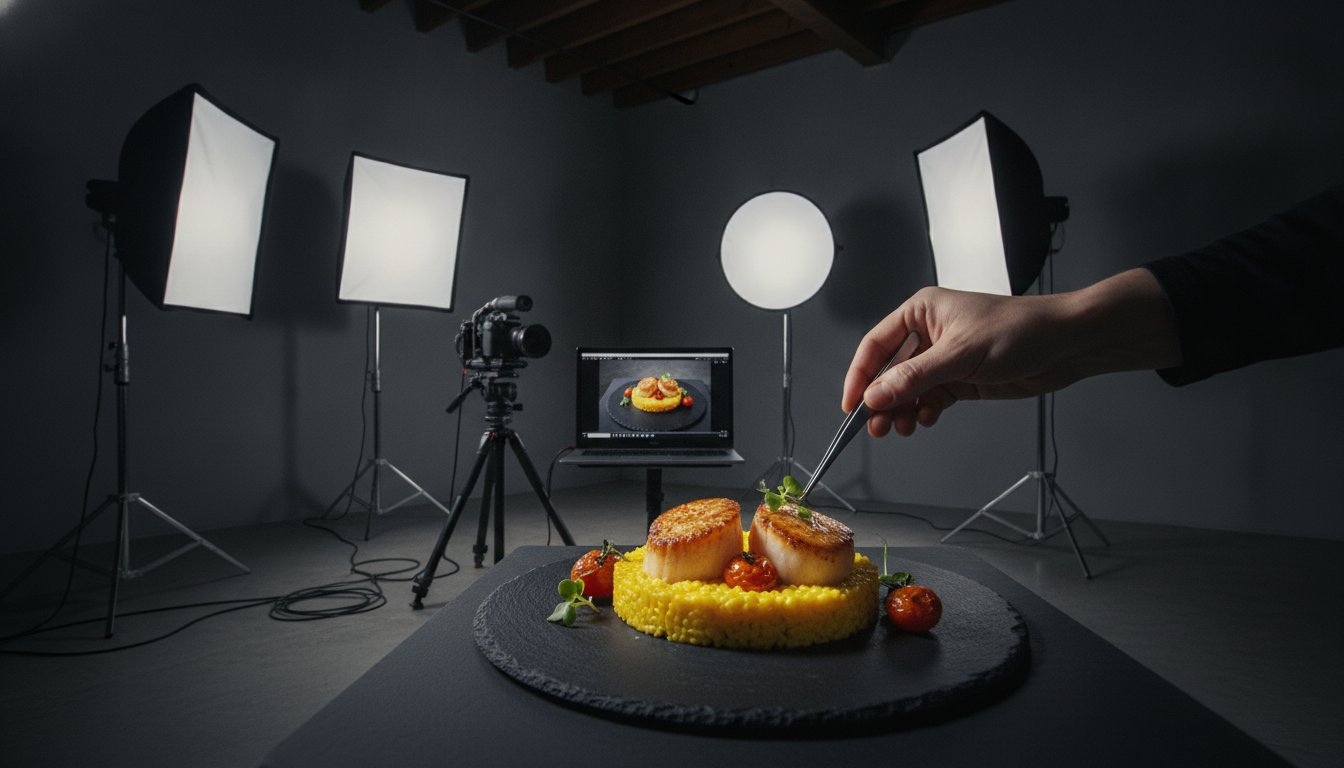
A professional food photography studio Massachusetts provides more than just a backdrop; it offers a strictly controlled technical environment designed to eliminate variables. While a generalist photographer might capture a decent image of a dish, a specialized commercial studio focuses on the structural integrity of the food and the technical requirements of high-end output. Local brands often seek out these specialized environments to ensure their visual assets translate perfectly from a social media feed to a massive backlit display in a restaurant. This level of control is essential for maintaining brand consistency across diverse marketing channels.
Understanding the history and art of food photography helps distinguish between casual lifestyle shots and commercial-grade imaging. Lifestyle photography often relies on natural light and atmospheric blur to sell a feeling or a moment. In contrast, commercial imaging prioritizes clarity, color accuracy, and extreme detail. For a business in 2026, these high-resolution assets are essential for multi-channel marketing where one shot must work for both a mobile app and a sixty-inch print. Finding a full-service imaging partner in New England means securing a team that understands both the capture and the final reproduction.
The Role of Specialized Equipment in Food Imaging
Standard consumer cameras often fail to resolve the fine textures of fresh ingredients, which can lead to flat or muddy results. A professional studio utilizes high-resolution sensors and digital backs that capture the subtle glisten of moisture or the crisp edges of a garnish. Color-accurate monitors ensure the brand’s specific palette remains consistent throughout the editing process. Professional strobe lighting allows for precise shaping of shadows, while specialized macro and tilt-shift lenses create hero shots with a depth of field that emphasizes the most appetizing features of a dish.
Why Location Matters: Methuen, Boston, and Beyond
Selecting a studio located in Methuen offers a strategic advantage for businesses across the region. It provides a quiet, dedicated production space that remains accessible to major hubs like Boston, Newburyport, and Manchester, NH. This central location allows restaurant groups and food producers to transport fresh products to a controlled environment without the logistical stress of city center traffic. It balances the need for elite studio quality with the convenience of local travel, making it a practical choice for long-term commercial partnerships. Being a local pillar means the studio is deeply integrated into the professional community, offering a dependable resource for both digital and physical imaging needs.
The Technical Infrastructure of High-End Food Imaging
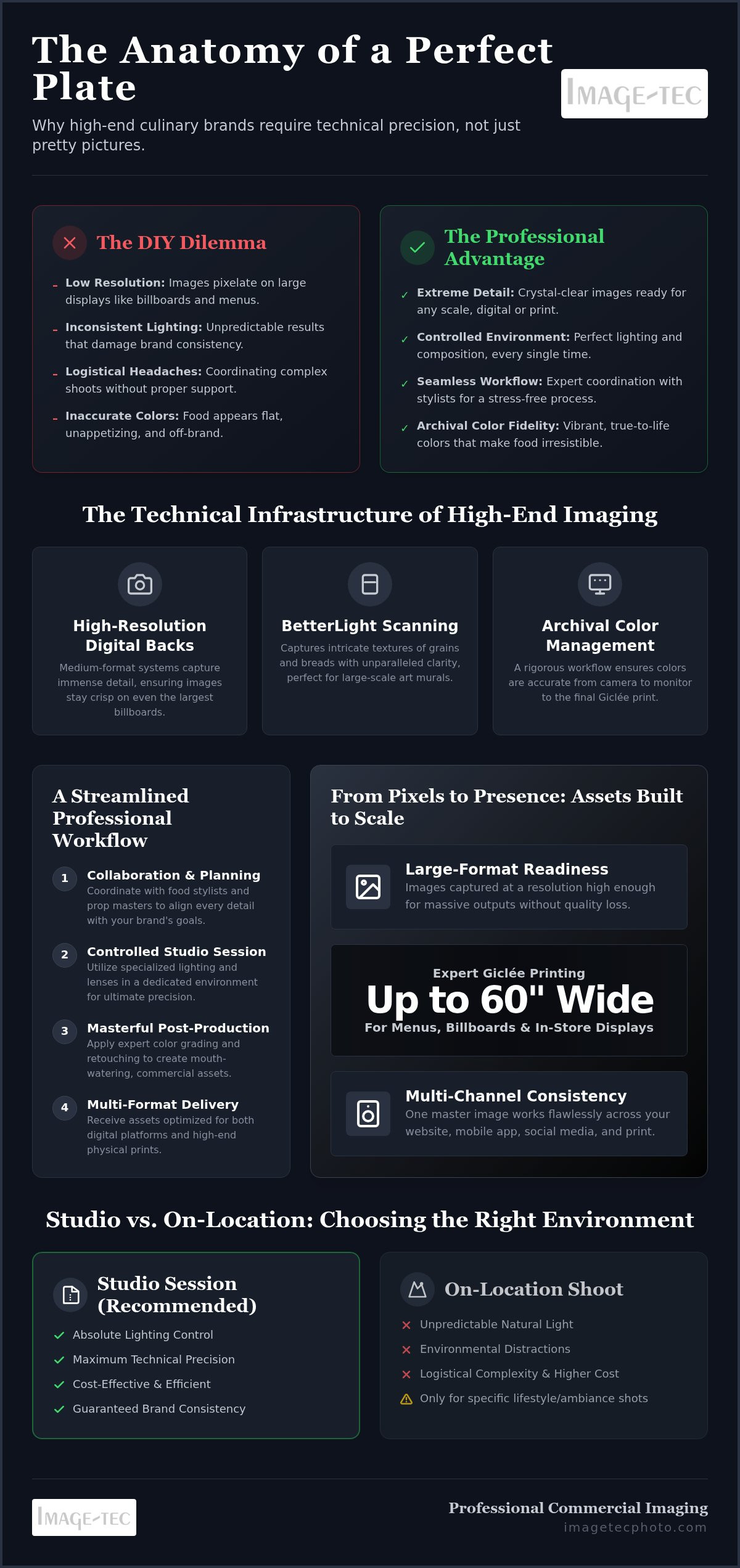
High-end results start with a foundation of superior hardware. A professional food photography studio Massachusetts differs from a home setup by utilizing high-resolution digital backs and medium-format systems. These cameras capture a dynamic range and level of detail that standard mirrorless systems cannot match. When a dish is photographed for a large-format menu or a highway billboard, these extra pixels prevent the image from appearing soft or pixelated. This technical overhead allows a brand to scale its imagery across any medium without sacrificing the crispness of the final product.
Technical mastery also involves a rigorous commitment to archival-grade color management. Understanding the full scope of professional photographer duties reveals that maintaining color fidelity is a primary responsibility. It’s not enough to take a sharp photo; the colors must be accurate to the source material. Archival-grade workflows ensure that the vibrant reds of a sauce or the deep greens of fresh herbs remain consistent from the monitor to the final Giclée print. This precision is what separates a professional production from a casual shoot.
BetterLight Scanning for Food Textures
BetterLight scanning technology offers a unique advantage for art-level food reproduction. Unlike traditional cameras that capture light all at once, a scanning back moves across the image plane to record data with extreme precision over a longer duration. This method is ideal for capturing the intricate textures of grains, artisan breads, or complex plated arrangements intended for large-scale restaurant murals. It provides a level of clarity that makes the viewer feel they could reach out and touch the food. This specialized capture process is essential for projects where every crumb and fiber must be visible at a massive scale.
360-Degree Photography for Modern Food Brands
For Consumer Packaged Goods (CPG) brands, static images are often not enough to drive engagement in a competitive digital marketplace. Integrating 360 degree product photography allows customers to interact with packaging, viewing nutritional labels and branding from every angle. This requires a specialized studio setup with a synchronized turntable and lighting that remains perfectly consistent throughout the rotation. It’s an investment in transparency that builds consumer trust. If you’re planning a high-stakes campaign, you can learn more about specialized imaging services to see how these tools elevate a brand’s visual presence.
Studio vs. On-Location: Determining the Best Approach
Deciding between a dedicated food photography studio Massachusetts and an on-site restaurant location requires a clear understanding of your final marketing goals. A restaurant offers an undeniable sense of place and authenticity, which works well for editorial features or social media storytelling. However, these environments often present significant technical hurdles. Fluctuating natural light, mixed interior color temperatures, and the logistical constraints of a working kitchen can compromise the precision needed for high-stakes commercial work. A studio provides a neutral ground where every variable is managed with surgical accuracy.
In contrast, a controlled studio environment eliminates the unpredictability of a live venue. Every shadow and highlight is intentional. This level of predictability is essential for brands that require a “clean” look or those producing imagery for large-format printing where flaws are magnified. Analyzing the logistical costs is also a factor. Moving a full commercial crew, lighting rigs, and digital workstations to a local Massachusetts restaurant often incurs additional fees and requires extensive coordination to avoid interrupting service. Bringing the project to a specialized studio often streamlines the process, allowing for a more focused and efficient production day without the distractions of a busy dining room.
Certain products naturally perform better within a dedicated studio setting. Packaged goods, complex plated dishes for advertising, and items requiring specialized capture like 360-degree views benefit from the stability of a studio floor. Understanding clarifies why these technical choices are made to protect the client’s investment. It’s about choosing the environment that most effectively supports the technical requirements of the final output.
When to Choose a Methuen Studio Session
A Methuen-based session is the preferred choice for hero advertising shots and cookbook production. The primary advantage here is the immediate access to advanced technical infrastructure, including the ability to transition from digital capture to large-format Giclée printing and custom framing on-site. This integrated workflow ensures that the final physical product matches the digital intent perfectly. For more details on these specialized capabilities, consult our commercial photography studio near Boston.
Navigating On-Location Shoots in New England
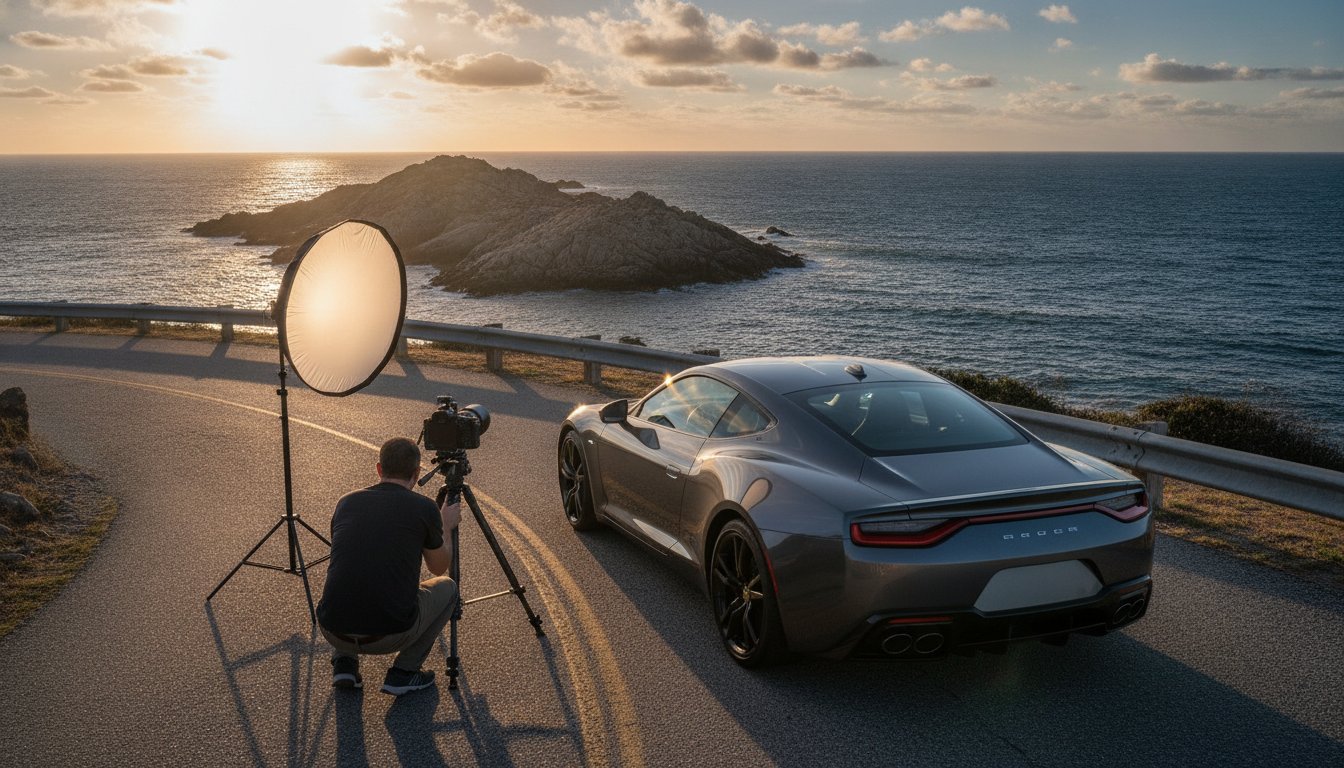
On-location shoots are necessary when the environment itself is a critical part of the brand’s story. Success in a live kitchen depends on meticulous preparation and a “mobile studio” kit that includes portable strobes and compact modifiers to overcome poor ambient lighting. While the logistics differ from studio work, the goal remains the same: technical excellence in any setting. You can see how we handle diverse environments in our guide to on-location automotive photography, which highlights our approach to managing complex location lighting across New England.
Planning Your Session: A Professional Workflow
A successful commercial shoot relies on a methodical production schedule that begins long before the first light is triggered. At a professional food photography studio Massachusetts, the process is designed to eliminate guesswork and ensure that every frame serves a specific marketing purpose. This systematic approach allows brands to maximize their time on the studio floor and produce a library of assets that remain viable for years. Efficiency in the studio is the result of a deliberate, five step workflow.
- Step 1: Define Visual Goals and Usage Rights. We begin by determining where the images will live. A high-resolution file intended for a billboard requires different technical considerations than a series of vertical shots for social media.
- Step 2: Coordinate with Stylists and Prop Masters. Food styling is a specialized craft. We collaborate with experts who understand how ingredients behave under studio lights to keep products looking fresh for the duration of the session.
- Step 3: Establish a Comprehensive Shot List. We organize the day by grouping similar setups together. This ensures we capture every necessary angle for digital, social, and print needs without redundant lighting changes.
- Step 4: Execute the Technical Capture. Using high-resolution sensors, we record the data with surgical precision. This stage focuses on color accuracy and textural detail.
- Step 5: Post-Production and Archival Printing. The final phase involves color grading and retouching to prepare the files for their specific medium, whether that is a digital menu or a large-format physical print.
Preparing Your Product for the Camera
Selecting the right “hero” products is a critical responsibility for any food brand. When preparing for a session, you should bring multiple versions of the same item. If you’re shooting artisan bread, bring several loaves to find the one with the most appealing crust and shape. Temperature control is equally vital; ingredients like leafy greens or ice cream require a climate-controlled environment to maintain their structural integrity. For a detailed guide on what to look for in a production environment, you can review our e-commerce product photography services checklist.
Post-Production and Art Reproduction Standards
Our approach to post-production is informed by decades of experience in fine art reproduction. We apply digital restoration techniques to commercial food retouching, ensuring that every adjustment remains grounded in reality rather than looking artificial. This level of care is essential for maintaining color consistency from the digital workstation to a sixty-inch Giclée print. We treat every commercial project with the same technical rigor we apply to our art reproduction printing services. If you are ready to elevate your brand’s visual identity with technical precision, contact us today to schedule your production session.
Why Image-Tec is the Preferred Choice for New England Food Brands
Founded in 1994, Image-Tec represents a stable and authoritative presence in the regional imaging market. For over three decades, we’ve functioned as a local pillar for businesses in Methuen, Boston, and southern New Hampshire. Choosing our food photography studio Massachusetts means partnering with a team that possesses both the technical infrastructure and the creative experience to handle diverse commercial challenges. While many studios deliver only a digital file, we provide a comprehensive production cycle that extends from the initial capture to the final physical display. This longevity ensures that our clients receive a level of service grounded in stability and technical mastery. We prioritize technical excellence over fleeting trends.
Our studio’s unique value lies in the seamless integration of commercial photography and fine art printing. This combination allows us to serve as a versatile problem-solver for restaurant groups and food producers who need high-resolution assets for both digital menus and physical environments. We understand that a brand’s visual identity must remain consistent across all touchpoints. By managing the entire workflow under one roof, we maintain strict quality control that generalist photographers cannot offer. Our clients benefit from a methodical and reassuring process that delivers predictable, high-end results every time.
From Digital Capture to 60-Inch Canvas Prints
The ability to produce large-format Giclée prints on-site is a significant differentiator for our studio. We specialize in producing canvas prints up to 60 inches wide; these are ideal for high-impact restaurant decor and corporate office installations. Our full-service custom framing department completes the branding process, allowing clients to receive a finished piece of art ready for immediate installation. This single-source approach eliminates the logistical stress of coordinating between a photographer, a print house, and a framer. It ensures that the color fidelity and detail captured in the studio are preserved perfectly in the final physical product. We handle the complexity so you don’t have to.
Expertise in Technical Art and Restoration
Our deep background in historical image restoration and fine art reproduction informs every commercial project we undertake. This experience requires a level of precision and attention to detail that is rare in general commercial photography. We utilize BetterLight scanning technology as a core competitive advantage, providing a technical clarity that traditional sensors simply cannot replicate. This specialized equipment is essential for capturing the complex textures and subtle color gradations found in high-end culinary presentations. Whether you are building a digital menu or designing a large-scale mural, our studio delivers the technical rigor required for 2026 marketing standards. If you are ready to begin your next project, you can contact Image-Tec for your food photography needs to discuss your specific production requirements.
Elevating Your Culinary Brand with Technical Precision
As marketing channels evolve toward 2026, the demand for ultra-high-resolution imagery continues to grow. Investing in a professional food photography studio Massachusetts ensures your brand possesses the technical durability required for everything from mobile apps to sixty-inch murals. By prioritizing BetterLight high-resolution scanning and a controlled production workflow, you eliminate the inconsistencies often found in casual photography. This methodical approach ensures your visual assets remain effective across every medium.
Image-Tec brings over 30 years of professional experience to every session, providing a stable foundation for your most ambitious projects. Our unique integration of in-house large format Giclée printing and custom framing allows your vision to move seamlessly from the digital sensor to your restaurant walls. This single-source workflow protects your investment and ensures your products always look their best in any physical or digital environment. We take pride in being a dependable partner for the New England culinary community.
We invite you to Book Your Professional Food Photography Session at Image-Tec Today. Let’s work together to create enduring visual assets that define your brand’s future.
Frequently Asked Questions
How much does professional food photography cost in Massachusetts?
Professional rates for a food photography studio Massachusetts vary based on the complexity of the shoot and the required technical output. While industry standards typically involve hourly or daily session fees, additional costs often apply for specialized retouching and high-resolution scanning. We recommend discussing your specific project requirements with our team to receive a detailed production estimate that covers your unique branding needs and desired final deliverables.
What is the difference between a food photographer and a food stylist?
A food photographer manages the technical capture, including lighting, composition, and digital file management. In contrast, a food stylist focuses on the culinary presentation, using specialized techniques to ensure ingredients look appetizing under intense studio lights. While the photographer handles the camera and high-resolution sensors, the stylist manipulates the food itself to achieve the desired visual structure. Both roles are essential for a successful commercial production session.
Can you provide high-resolution images for large-scale restaurant murals?
Yes, our studio utilizes BetterLight scanning technology specifically designed for ultra-high-resolution reproduction. This process captures an incredible level of detail that traditional cameras often miss, making the files ideal for sixty-inch Giclée prints or massive restaurant murals. Because we manage both the technical capture and the in-house printing, we ensure that every texture and color remains sharp and accurate even when scaled to industrial proportions for physical environments.
Do you offer 360-degree photography for food packaging?
We provide specialized 360 photography services tailored for consumer packaged goods and food branding. This interactive format allows customers to view your product from every angle, which is particularly effective for e-commerce platforms and digital menus. Our studio is equipped with the necessary rotation hardware and consistent lighting rigs to produce seamless, interactive views that help build consumer trust by showcasing packaging and nutritional labels with total transparency.
How long does a typical commercial food photography session take?
Commercial sessions are generally organized into half-day or full-day blocks to ensure adequate time for lighting adjustments and styling. A half-day session typically lasts up to four hours, while a full-day session extends to eight hours. The exact duration depends on your shot list and the complexity of the arrangements. We work methodically to maximize every hour on the studio floor, ensuring we capture all necessary digital and print assets efficiently.
What usage rights are included with a commercial photography contract?
Our commercial contracts typically include comprehensive reproduction rights for both print and web platforms. This allows your business to utilize the high-resolution imagery across diverse marketing channels, including social media, websites, and physical signage. We believe in providing clear, stable licensing terms that protect your brand’s investment and allow for long-term multi-channel use. Specific terms regarding the duration or geographic scope of the license can be tailored to meet your project’s goals.
Do you offer custom framing for the prints you produce?
Yes, we provide full-service custom framing on-site for all Giclée prints produced in our studio. This allows us to deliver a finished product that is ready for immediate installation in a restaurant, corporate office, or gallery. By handling the framing in-house, we maintain total control over the archival quality and aesthetic consistency of the final piece. This single-source workflow saves our clients the logistical stress of coordinating with external vendors.
Is the studio equipped for on-location shoots in Boston or Manchester NH?
Our team is fully equipped to handle on-location commercial shoots across New England, including major hubs like Boston and Manchester, NH. We utilize a mobile studio setup that includes portable strobe lighting and professional modifiers to overcome the lighting challenges of live restaurant kitchens. While our food photography studio Massachusetts offers the most controlled technical environment, our on-location services provide the flexibility needed to capture your brand’s story within its own unique physical space.




Leave A Comment
You must be logged in to post a comment.